Why the Chicxulub Crater is a Goldmine for Future Space Exploration
The unique geological features created by the impact provide critical insights into planetary science, guiding humanity's quest to understand other celestial bodies and their histories.
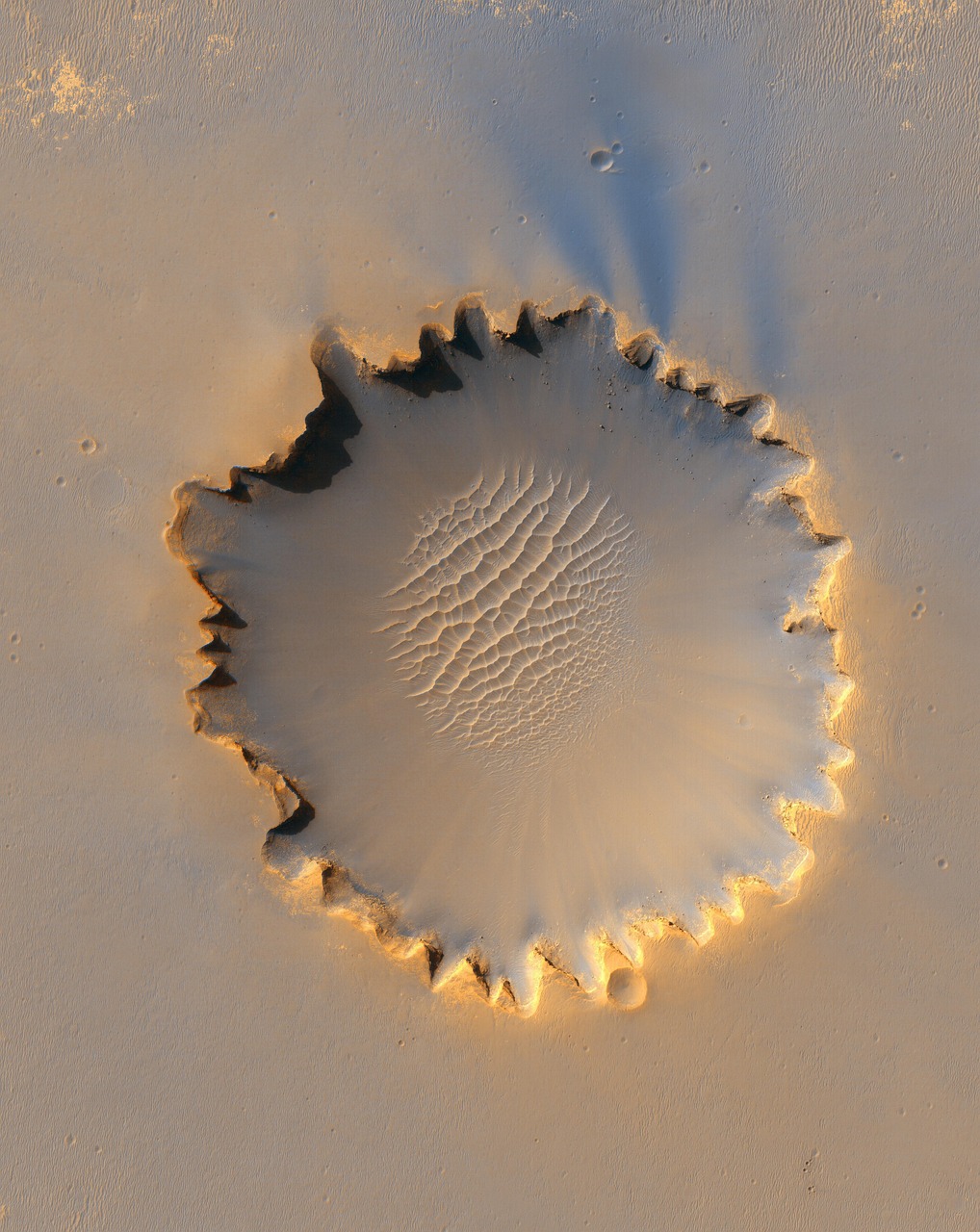
A colossal impact, a deafening silence, then the earth shakes.
When the asteroid struck what is now the Yucatán Peninsula, it didn’t just end the reign of the dinosaurs; it left behind the Chicxulub Crater, a geological marvel.
The ground vibrates with the echoes of that cataclysm, its layers whispering secrets of planetary history.
Here, in the dusty, sun-baked terrain, scientists unearth materials that reveal a treasure trove of information about how impacts shape not just Earth, but other celestial bodies too.
The crater’s unique features—shock metamorphosed rocks and distinct sediment layers—offer a roadmap for understanding the formation and evolution of planets.
This insight shifts our perspective, illustrating that by studying our past, we can better navigate our future in space.
What other cosmic mysteries lie in wait within our own solar system, waiting for us to discover them?