Why the Art of Deception is Key to Future Robotics
The same principles that make our eyes believe the impossible are now being harnessed to create robots that can navigate complex environments effectively and intuitively.
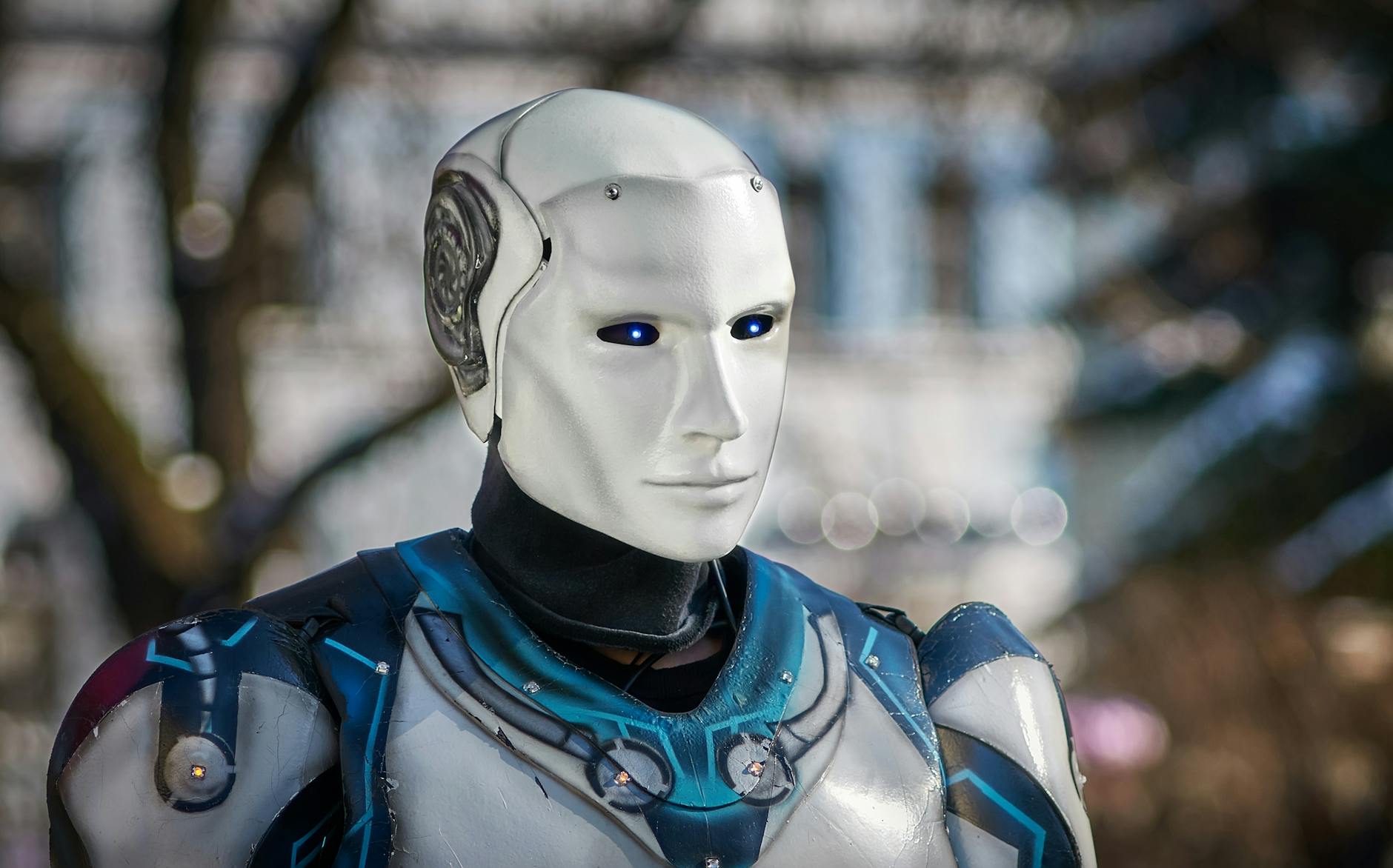
A flicker of movement catches your eye—a glimpse of something that shouldn’t be there.
The air hums with anticipation as your brain wrestles with perception.
What if I told you that the very tricks our eyes play on us are now the blueprint for the next generation of robots?
Scientists are harnessing the power of visual illusions, those mind-bending tricks that make us question reality, to teach robots how to navigate the chaos of our world.
Imagine a machine that can see a crowded street, interpret the shifting shadows, and decide when to move, all while understanding its environment intuitively.
This isn't mere science fiction; it’s a revolutionary approach that blurs the line between human and machine perception.
What if the key to building smarter robots lies not just in programming, but in understanding how we perceive the world?
What other secrets could our senses unlock for technology?