Why Motorcycle Engines Use Cubic Centimeters: A Deep Dive
Ever wondered why we measure motorcycle engines in cubic centimeters? This measurement not only defines power but also influences regulations and insurance categories in the biking world.
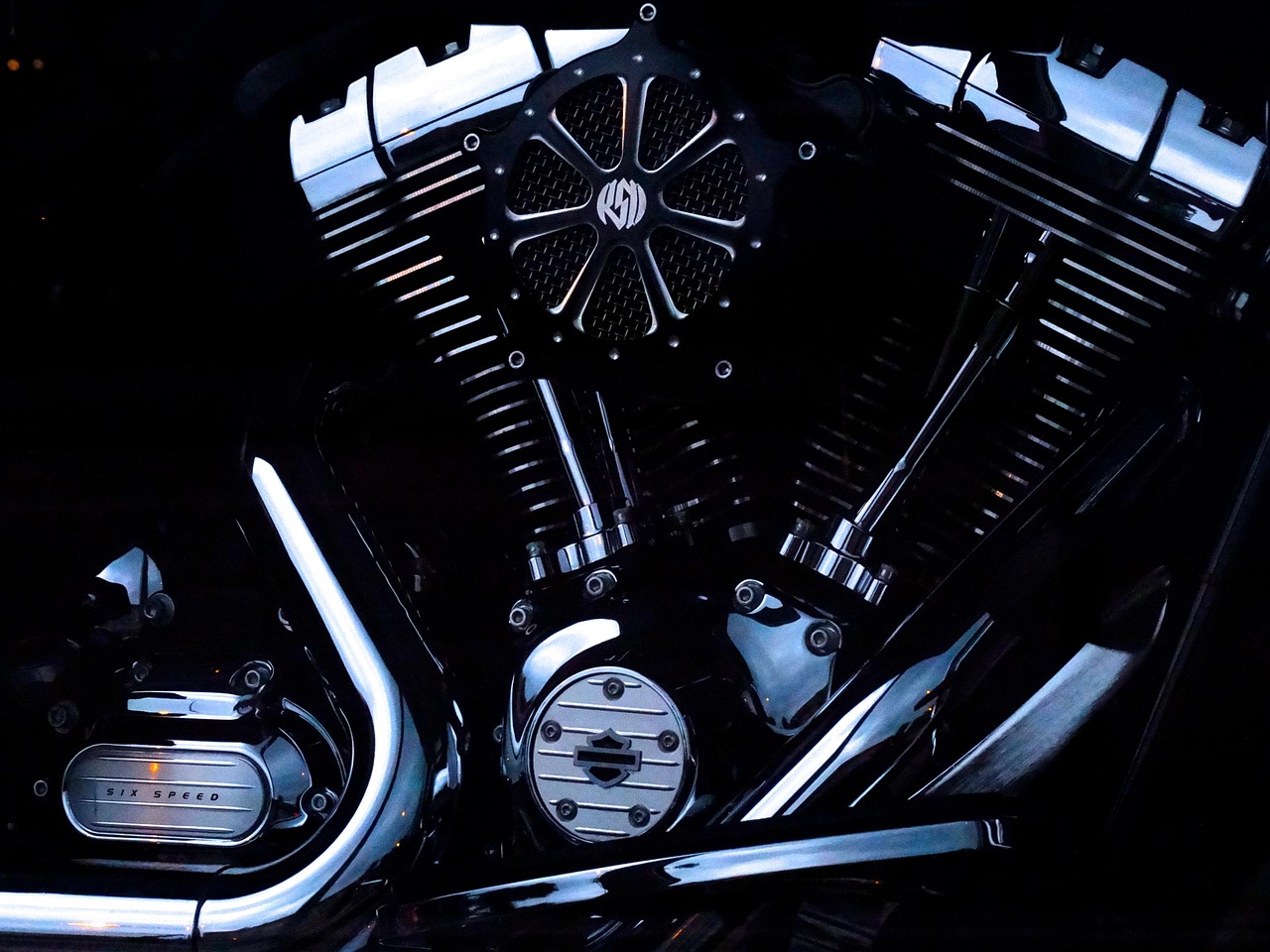
Have you ever stopped to think about why motorcycle engines are measured in cubic centimeters, or cc for short?
It’s a fascinating little quirk that stems from a simple volume calculation.
You see, cc measures the engine's displacement, which is the total volume of all the cylinders combined.
Larger displacement often means more power, and that’s why we hear these numbers tossed around so much.
But it’s more than just a power metric.
In many countries, the size of the engine plays a crucial role in determining what license you need to ride that bike, and even how much you’ll pay for insurance.
Smaller engines typically fall into lower regulatory classes, making them more accessible for new riders.
This means that those who start with a 125cc bike often have an easier transition into the world of motorcycling.
And there’s a bit of a community vibe around these numbers too.
Riders often bond over their engine sizes, comparing the power and performance of their machines.
So, next time you hear someone mention their motorcycle’s cc, remember, it’s more than just a number—it’s a gateway into the vast and thrilling world of biking.
What other measurements in technology have such broad implications?