Why Lightning is Hotter Than the Sun's Surface
Have you ever wondered why a bolt of lightning is hotter than the surface of the sun? This fascinating phenomenon is rooted in atmospheric plasma physics and the incredible energy involved in a lightning strike. Let's dive into the science behind this striking comparison.
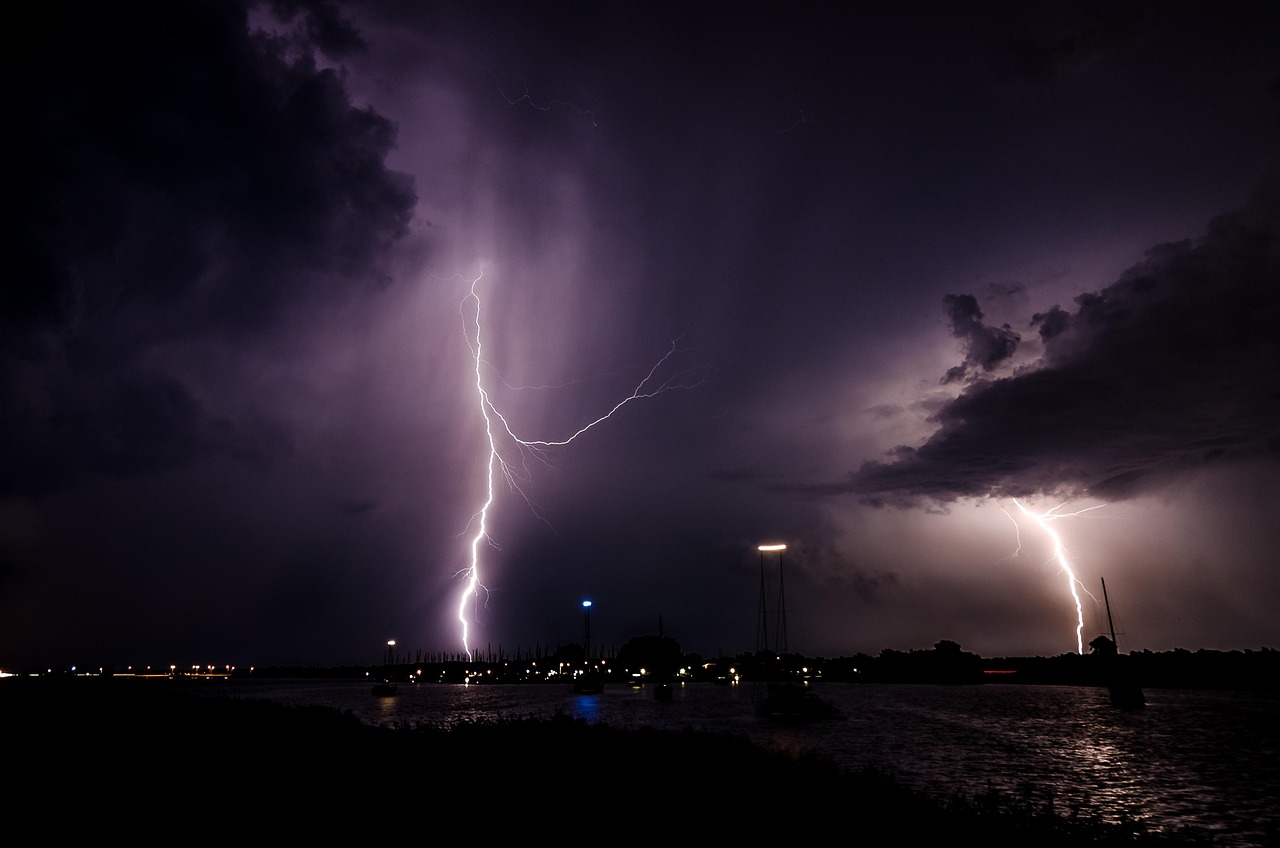
Imagine standing outside during a storm, the sky darkening, and suddenly—a blinding flash followed by a booming thunder.
That flash of lightning, astonishingly, can reach temperatures of about 30,000 Kelvin, which is five times hotter than the surface of the sun, that sits around 5,500 Kelvin.
So, how does this happen?
The secret lies in the intricate processes of atmospheric plasma physics.
When a lightning bolt strikes, it creates a path through the air, ionizing the gas and turning it into plasma.
This ionization releases an immense amount of energy almost instantaneously.
Picture a giant electric arc, similar to a giant power surge, where the electrical energy travels through air that acts as an insulator until it breaks down.
This breakdown leads to a rapid release of energy, heating the air dramatically.
It’s this energy release that creates both the dazzling light and the intense heat we associate with lightning.
Even though the sun is a colossal nuclear furnace, producing energy through fusion, the sheer power of lightning is concentrated in a moment, generating temperatures that dwarf the sun's surface.
So next time you see a lightning storm, remember, you’re witnessing one of the most powerful natural phenomena on Earth, where physics creates extremes that challenge our understanding of heat and energy.
Isn’t it amazing how much more there is to explore about the forces of nature around us?