Why Floating Stones Inspired 21st Century Eco-Architecture
The phenomenon of seemingly defying gravity has sparked innovative designs in sustainable architecture, merging ancient wisdom with cutting-edge technology.
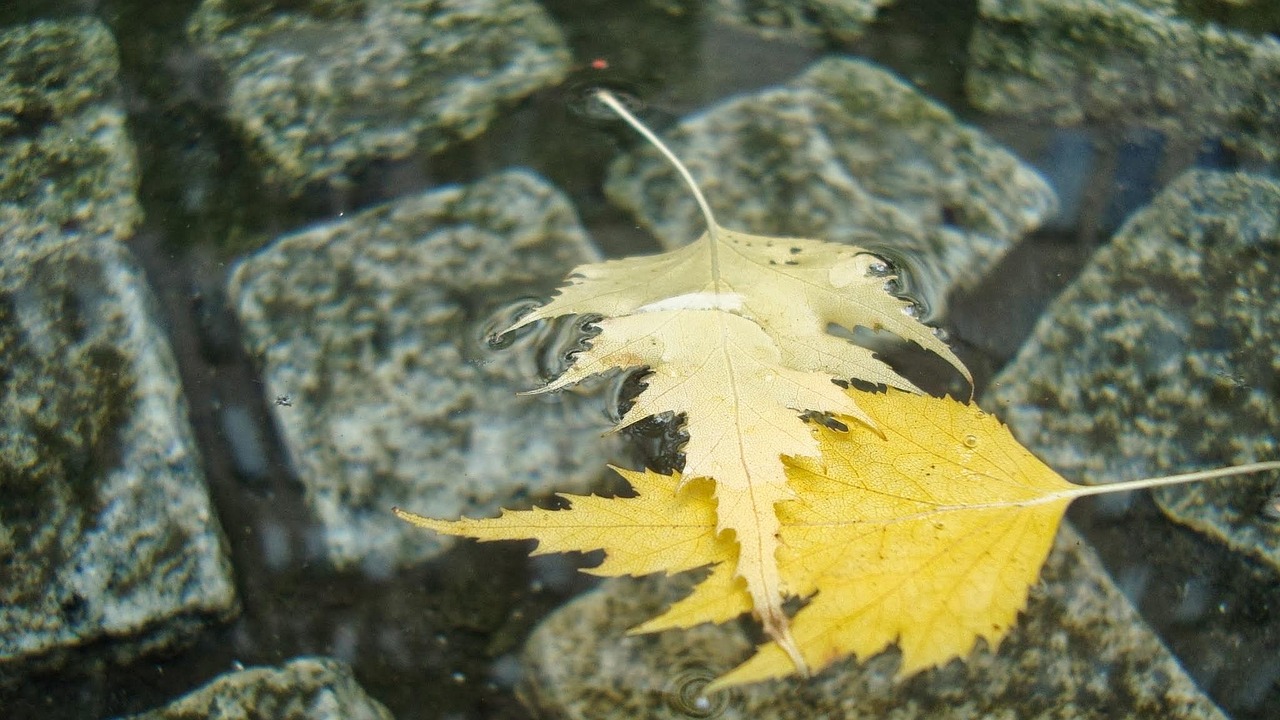
In a remote corner of a volcanic island, stones bob on the surface of the water, seemingly defying the very laws of physics.
The air is thick with the scent of salt and the whispers of a gentle breeze, as these enigmatic stones, known as pumice, float effortlessly.
But here’s the twist: their buoyancy isn’t mere magic; it’s a lesson wrapped in nature’s design.
Ancient cultures used pumice to craft homes that breathed with the environment, adapting to heat and humidity like a living organism.
Today, architects are channeling this age-old wisdom, creating structures that mimic the floating properties of these stones.
The revelation?
By embracing nature's designs, we can build sustainably, reducing energy use and harmonizing with our surroundings.
This shift in perspective challenges our relationship with the environment.
What other natural phenomena could redefine the way we construct our world?