Why Do USB-C Cables Look the Same but Perform Differently?
Have you ever wondered why all those USB-C cables seem identical yet charge your devices at different speeds? The answer lies in the hidden protocol standards that dictate their performance and functionality.
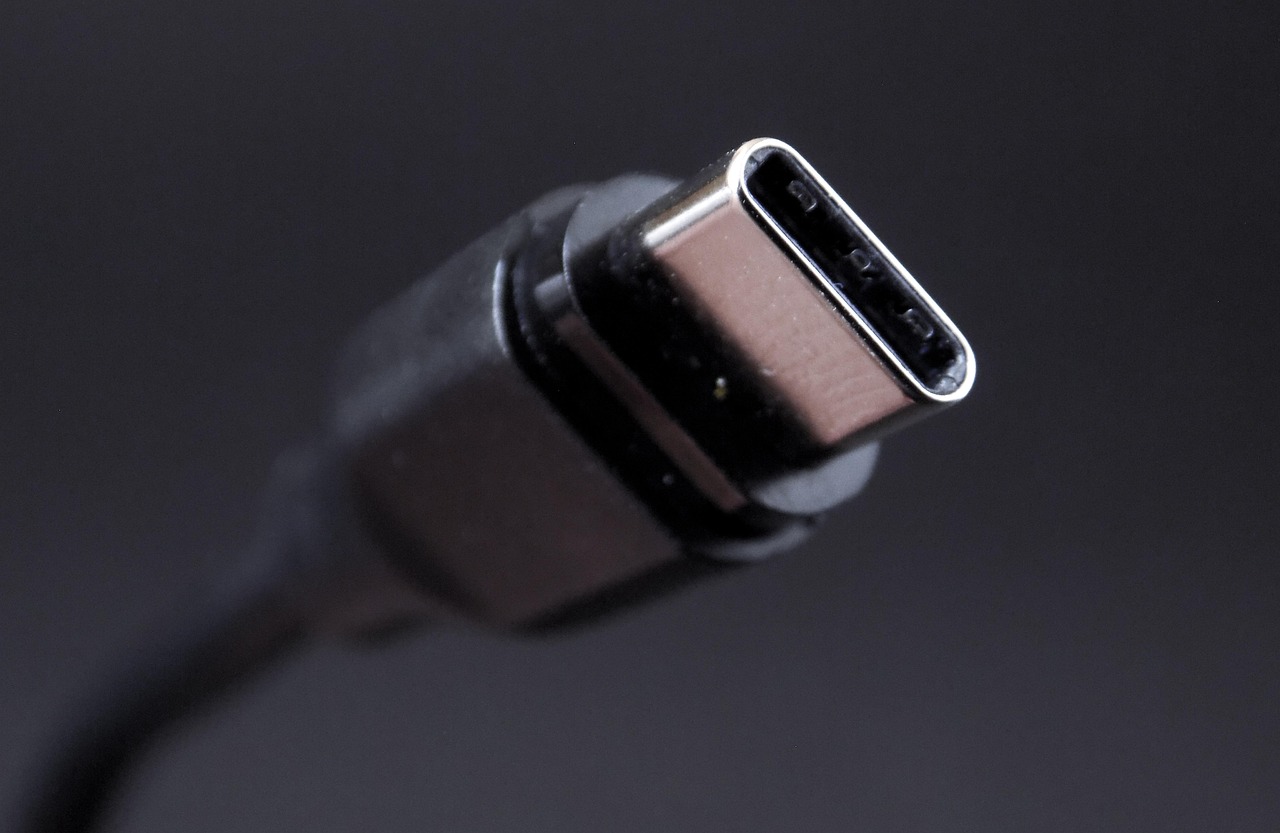
Imagine this: you’ve got a drawer full of USB-C cables, and at first glance, they all look the same.
But when you plug them in, the charging speed can vary dramatically.
Why?
It all comes down to the hidden world of protocol standards.
You see, while the physical design of USB-C is standardized, the capabilities of each cable can differ based on the technology they support.
Some cables are designed for high-speed data transfer and rapid charging, while others may only handle basic tasks.
This is where terms like USB Power Delivery and Thunderbolt come into play.
These protocols not only define how much power can flow through the cable but also how quickly data transfers can occur.
It’s like having a highway with different speed limits—some cables allow for fast lanes, while others are stuck in the slow lane.
So next time you reach for a USB-C cable, remember that beneath that sleek exterior, there’s a whole lot of technology working behind the scenes.
And it might just make you wonder what other secrets your charging cables are hiding.