Why Do Stock Markets Close Overnight? Unveiling the Secrets of Financial Timing
Ever wondered why stock markets don’t operate around the clock? The reasons are rooted in settlement systems and the need for human governance, which play a crucial role in maintaining market stability and efficiency.
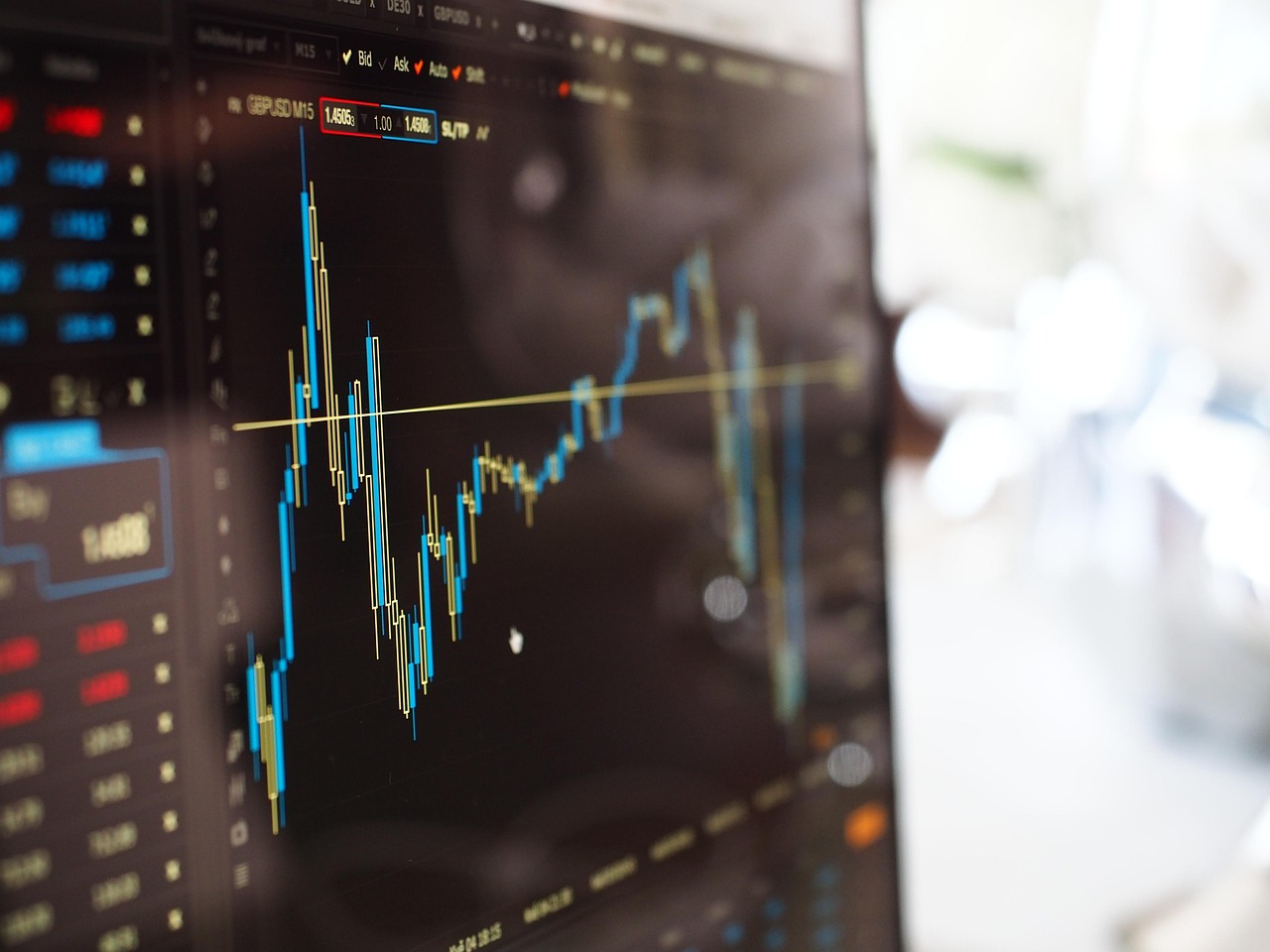
Imagine a bustling marketplace that never sleeps, where buyers and sellers are constantly trading.
While this sounds exciting, stock markets close at night for very practical reasons.
One key factor is the settlement system, which is essential for ensuring that trades are executed smoothly and accurately.
When you buy a stock, it doesn't just appear in your account instantly; there’s a whole process behind the scenes that requires time to verify and settle those transactions.
This is where the human element comes into play.
Having designated hours allows for better oversight, reducing the chances of errors or fraud.
It provides a structured environment where regulators can monitor activities to maintain fairness and transparency.
Plus, let’s not forget the need for rest—traders, analysts, and investors all need time to recharge and make informed decisions.
So, while the world is buzzing 24/7, our financial systems rely on these nightly pauses to ensure everything runs smoothly.
What if we could rethink this model?
Could technology one day change how we view market hours?
The possibilities are intriguing.