Why Can’t We Tickle Ourselves? The Science Behind Predictive Motor Control
Have you ever tried to tickle yourself and wondered why it just doesn't work? It turns out that our brains have a fascinating way of predicting sensations, effectively canceling out the ticklish feeling when we try to tickle ourselves.
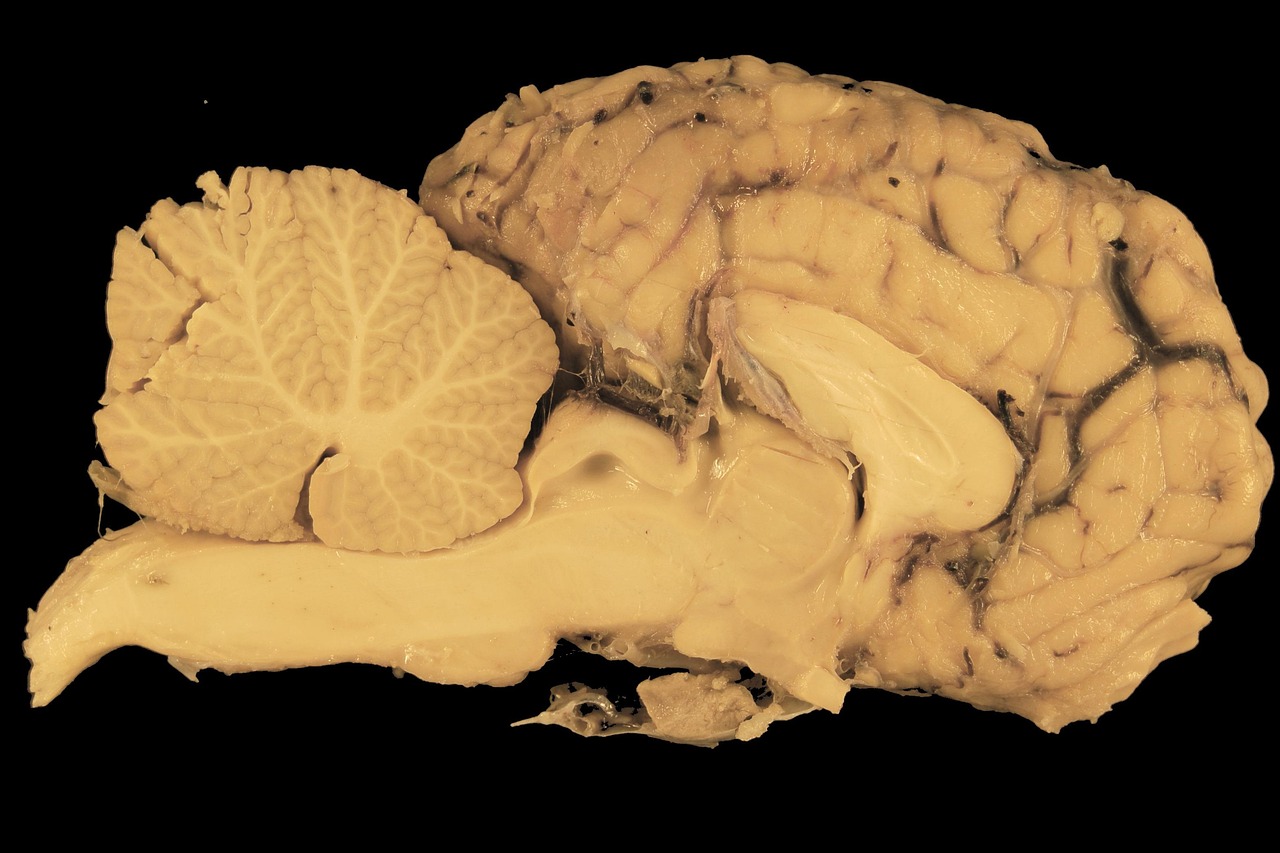
Imagine trying to tickle yourself.
It sounds like a silly idea, right?
But there's a fascinating reason why it just doesn't tickle the way it does when someone else does it.
Our brains are like expert prediction machines, constantly analyzing what we’re about to do.
When you raise your own hand to tickle your side, your brain knows exactly what sensation to expect.
It anticipates the tickle and effectively cancels out the feeling, leaving you with nothing but the motion of your hand.
This phenomenon is a part of something called predictive motor control.
It’s a clever mechanism that helps us navigate our environment smoothly.
Think of it as a way for your brain to filter out sensations that it knows are self-generated, so it can focus on unexpected stimuli—like when someone else surprises you with a tickle!
This ability is essential not just for tickling but also for many daily movements and interactions.
It helps us maintain balance and coordinate our actions without being overwhelmed by sensory feedback.
So, the next time you try to tickle yourself, remember that your brain is just doing its job, keeping you in control and aware of the world around you.
It’s a small but amazing part of how we experience life.
Now, what other surprising things might your brain be doing behind the scenes?