Why Airplane Windows Are Rounded: A Lesson from History
Have you ever wondered why airplane windows are round instead of square? The answer lies in early jetliner disasters that uncovered critical engineering flaws, shaping the way we fly today.
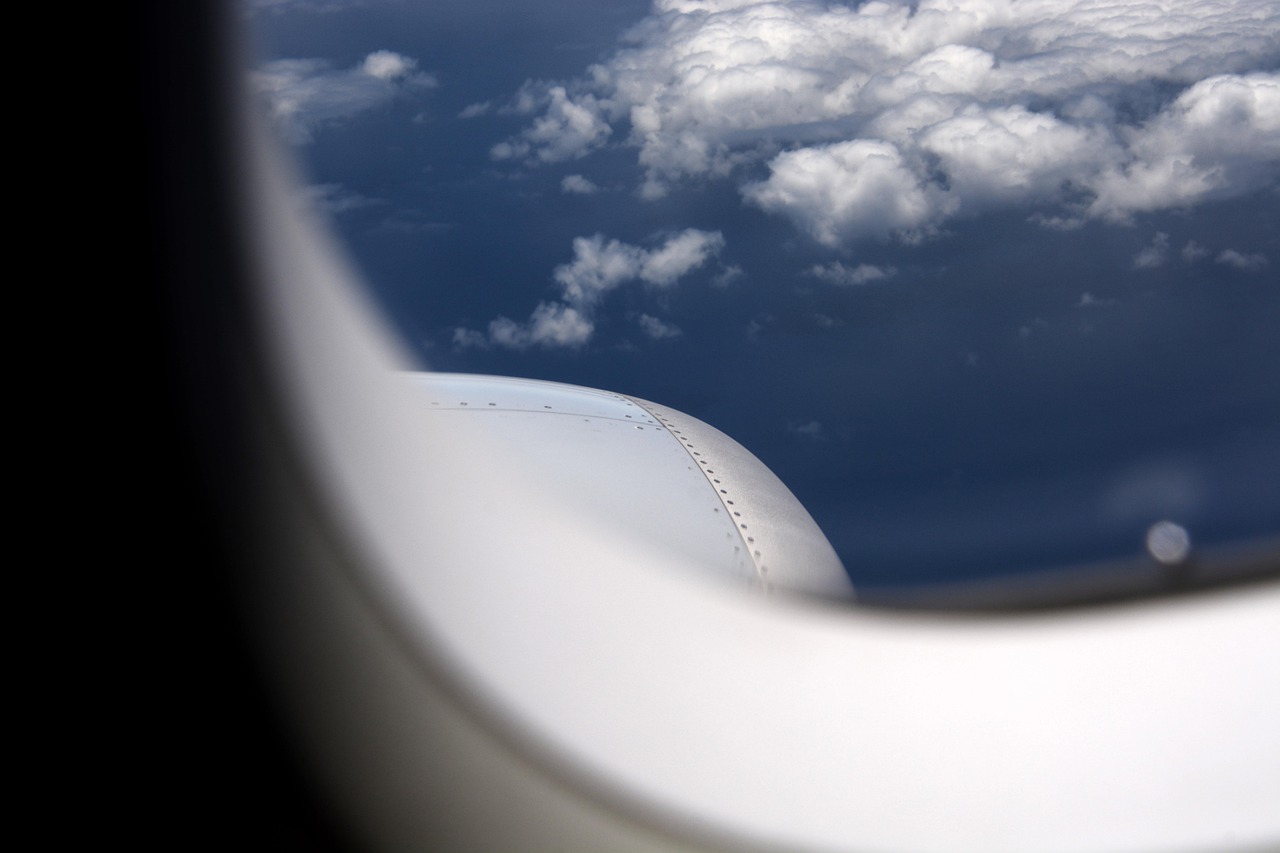
Imagine you're soaring through the clouds, taking in the breathtaking views from your window seat.
But have you ever noticed that airplane windows are round?
This design choice isn’t just for aesthetics; it’s rooted in a fascinating story of engineering evolution.
Back in the 1950s, early jetliners like the de Havilland Comet faced catastrophic failures, with square windows that cracked under pressure.
The sharp corners of those windows created stress concentrations, leading to structural failures and tragic accidents.
Engineers quickly realized that by rounding the windows, they could distribute the stress more evenly, significantly enhancing safety.
This pivotal shift not only saved lives but also transformed the standards for aircraft design.
Today, every commercial jet you see in the sky features those familiar rounded windows, a simple yet powerful reminder of the lessons learned from the past.
So next time you look out your window at 30,000 feet, think about how a little curve made all the difference in aviation safety.
What other hidden engineering choices have been shaped by the trials of history?