Why Airplane Tray Tables Must Be Locked During Turbulence
Ever wondered why those little tray tables on airplanes need to be locked upright during turbulence? It's all about safety, specifically the forces at play during unexpected movements in the air. Let's dive into how crash force vectors help determine this crucial rule.
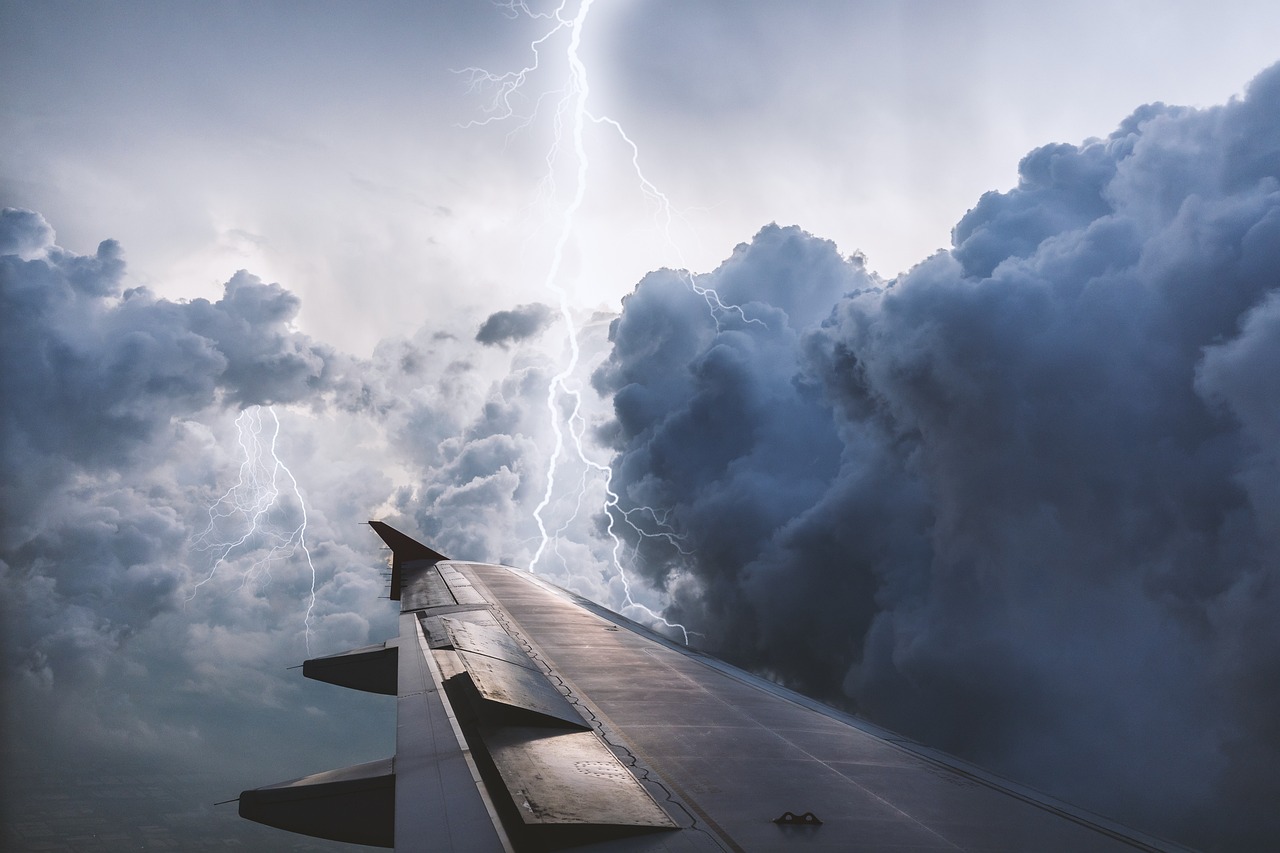
Imagine you're cruising high above the clouds, enjoying your snack, when suddenly the airplane hits a patch of turbulence.
Your tray table is down, and in that moment, it could become a hazard.
You see, when turbulence strikes, the airplane can experience rapid shifts in direction and speed, creating forces that are hard to fathom.
These forces are known as crash force vectors, and they define how objects, including those tray tables, behave in such chaotic moments.
If that tray table is down, it could become a projectile, leading to injuries not just for you, but for others around you.
By locking it upright, you're ensuring that it remains secure and out of harm's way.
This seemingly simple rule is rooted in physics, where every action has a reaction.
The more rigid the table, the less likely it is to be a danger during sudden movements.
So next time you board a flight and the crew reminds you to stow that tray table, remember, it’s not just a rule; it’s a measure of safety grounded in understanding the forces of nature.
Isn’t it fascinating how something so small can have such a big impact on safety?
Just think about what other rules might be influenced by the science of physics as you travel through the skies.