V-twin Engine Design in Motorcycles
The V-twin engine configuration significantly impacts a motorcycle's power delivery and character, providing a unique riding experience that contrasts with inline engines.
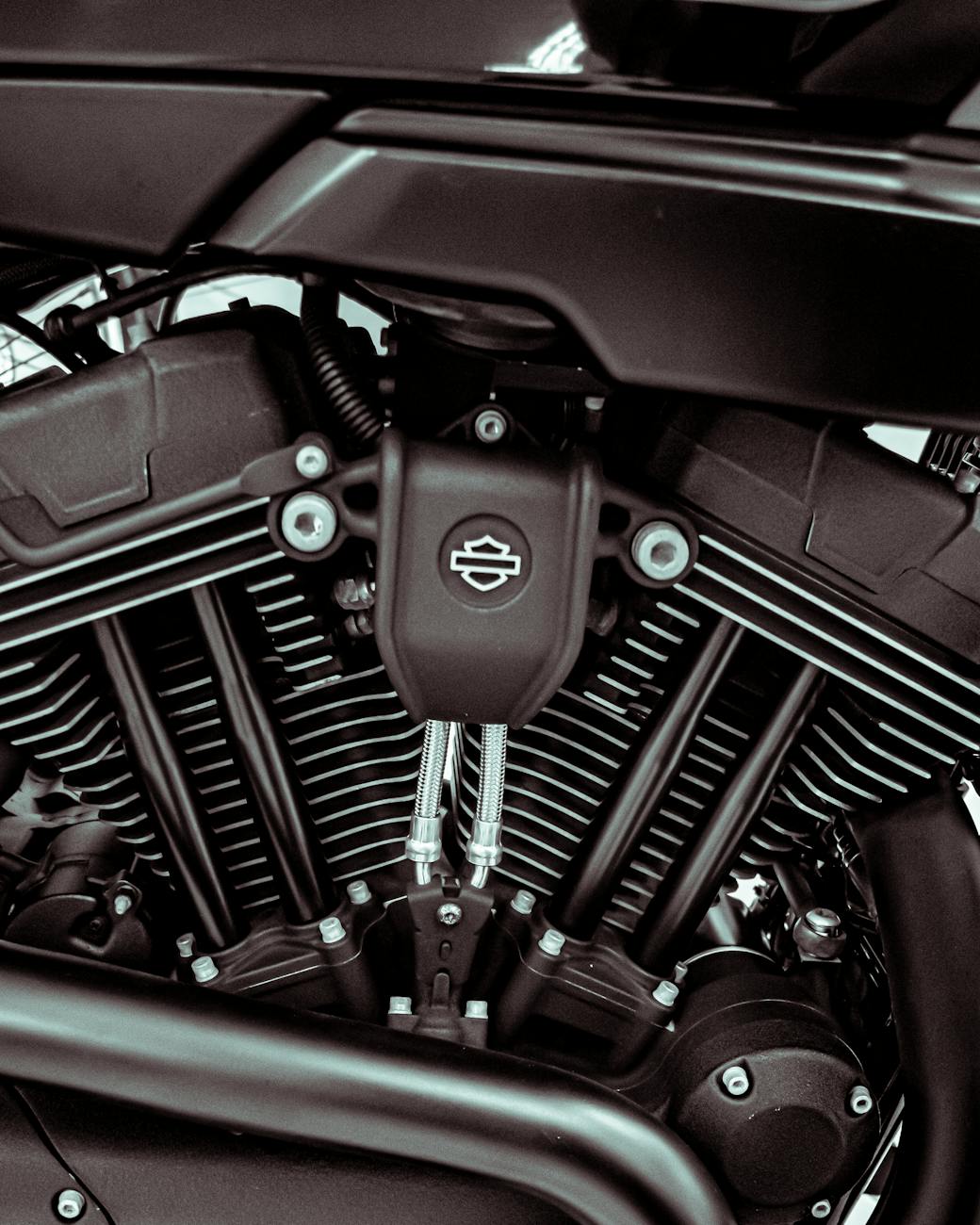
Have you ever wondered what makes a V-twin engine so distinctive in the world of motorcycles?
The configuration of this engine type has a profound effect on how power is delivered and the overall character of the ride.
With its two cylinders positioned in a V-shape, this engine design allows for a more compact structure, which can lead to a lower center of gravity.
This is not just about aesthetics; it significantly enhances the handling and maneuverability of the motorcycle.
The sound of a V-twin is also iconic, producing a throaty rumble that enthusiasts often describe as music to their ears.
This unique auditory experience is a result of the firing order and the engine's design, which creates a distinctive rhythm that separates it from the smoother but less engaging sounds of inline engines.
V-twin engines typically offer strong low-end torque, which means they deliver power effectively at lower RPMs.
This characteristic can make for an exhilarating riding experience, especially when accelerating from a stop or cruising through city streets.
Riders often find themselves appreciating the immediate response and the visceral feel of the bike.
But it’s not just about power; the character of a motorcycle equipped with a V-twin engine can vary greatly depending on the tuning and the brand.
Each manufacturer has its own approach, leading to a diverse range of riding experiences within the V-twin category.
As you explore the world of motorcycles, one question remains: how does the design of the V-twin influence the overall performance and appeal of different models?