Unveiling the Secrets of Supermarket Barcodes: A 1970s Innovation
Have you ever wondered why supermarket barcodes have those thicker guard bars on the sides and center? This design isn't just for aesthetics; it stems from a fascinating retail scanning constraint from the 1970s that still influences our checkout experiences today.
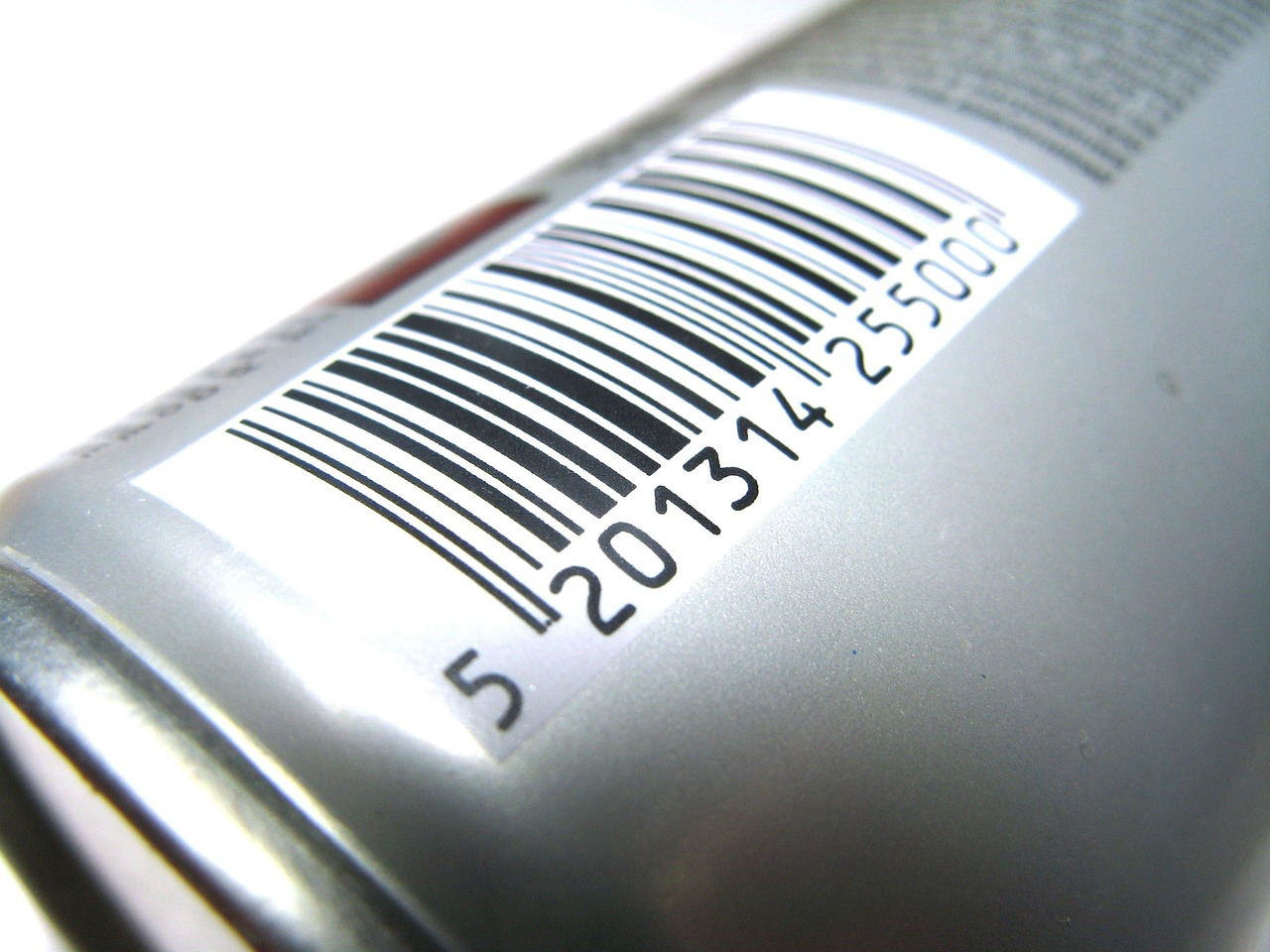
Picture this: it’s the 1970s, and retailers are trying to speed up the checkout process.
Enter the barcode, a simple yet revolutionary tool.
But to make these scanners work effectively, engineers faced a challenge.
They needed a way to ensure that the scanner could easily recognize the start and end of each barcode.
That's where those thicker guard bars come in.
These bars act as visual anchors, helping the scanner identify the code’s boundaries and ensuring accurate reads.
This design choice not only improved scanning efficiency but also minimized errors, making the checkout process smoother for everyone.
Fast forward to today, and those same principles are at play, quietly powering the systems we rely on every week.
So, next time you’re at the grocery store and you hear that beep, remember, there’s a clever piece of engineering behind that sound.
Isn’t it fascinating how a design decision made decades ago still impacts our everyday lives?