Unveiling Pompeii: A Glimpse into a Buried Civilization
Pompeii, once a thriving city, was frozen in time by the eruption of Mount Vesuvius in AD 79. This catastrophic event not only preserved its ruins but also offered a haunting look into the daily lives of its inhabitants.
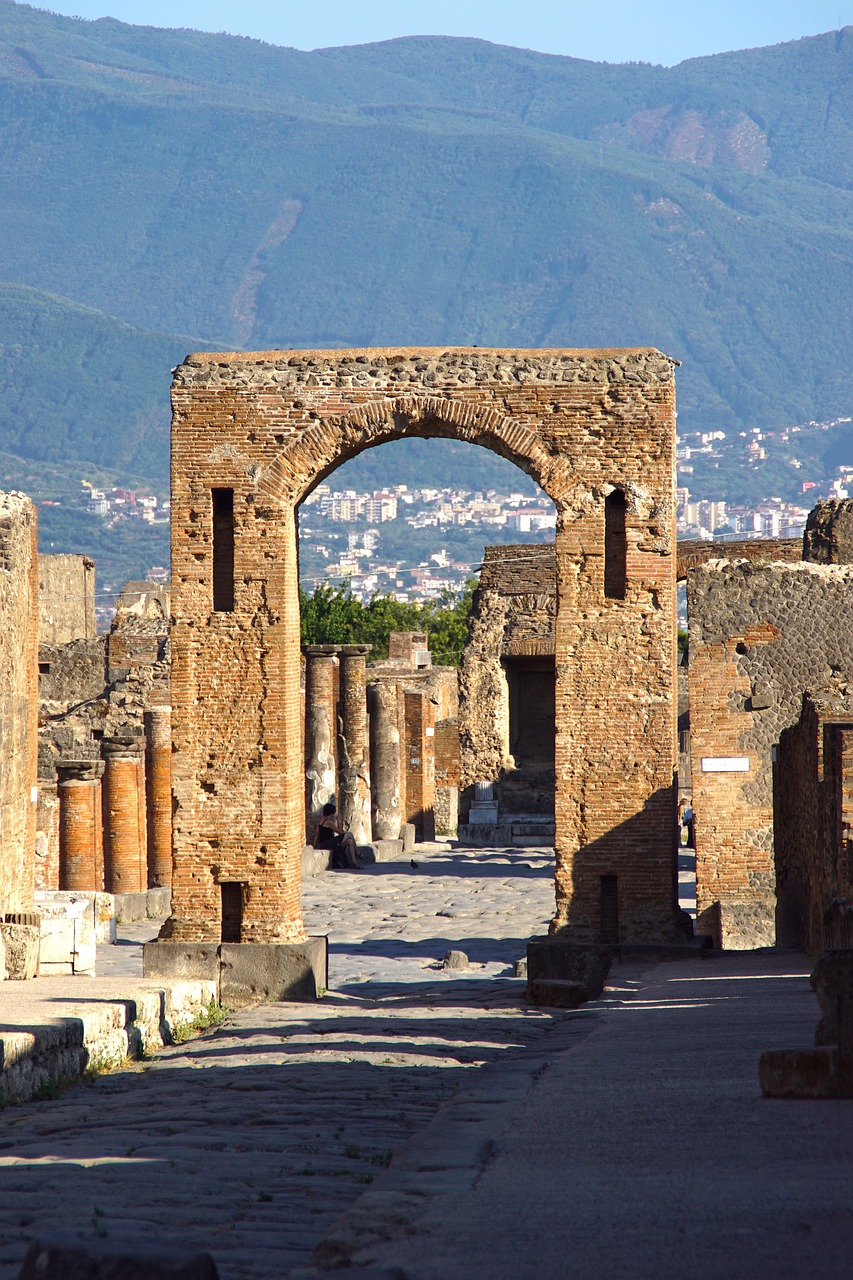
Imagine walking through a bustling marketplace, where the aroma of freshly baked bread fills the air, and the chatter of friends exchanging stories resonates all around.
This was Pompeii, a vibrant Roman city, until that fateful day in AD 79 when the majestic Mount Vesuvius unleashed its fury.
A torrent of ash and molten rock buried the city under a thick blanket, preserving it for centuries beneath layers of volcanic debris.
What a time capsule this created!
When archaeologists began uncovering Pompeii in the 18th century, they found not just ruins, but poignant snapshots of life frozen in time.
Homes with their intricate frescoes, streets lined with shops, and even the casts of people caught in their final moments reveal the everyday lives of the citizens.
These remnants tell us about their trades, their art, and even their fears.
But what’s truly captivating is how this tragedy transformed into a treasure trove of history, offering us insights into Roman culture and society.
As the layers of ash were peeled away, so too were the stories of resilience and vulnerability.
So, what else might we learn from other cities that met a similar fate?
The echoes of the past beckon us to explore even further.