Unveiling Atlantis: The Mythical Lost City of Plato
Have you ever wondered if the legendary city of Atlantis was more than just a tale? Plato's captivating description of this advanced civilization sparks curiosity about its possible existence and the lessons hidden within its story. Let's dive into the depths of history and imagination surrounding Atlantis.
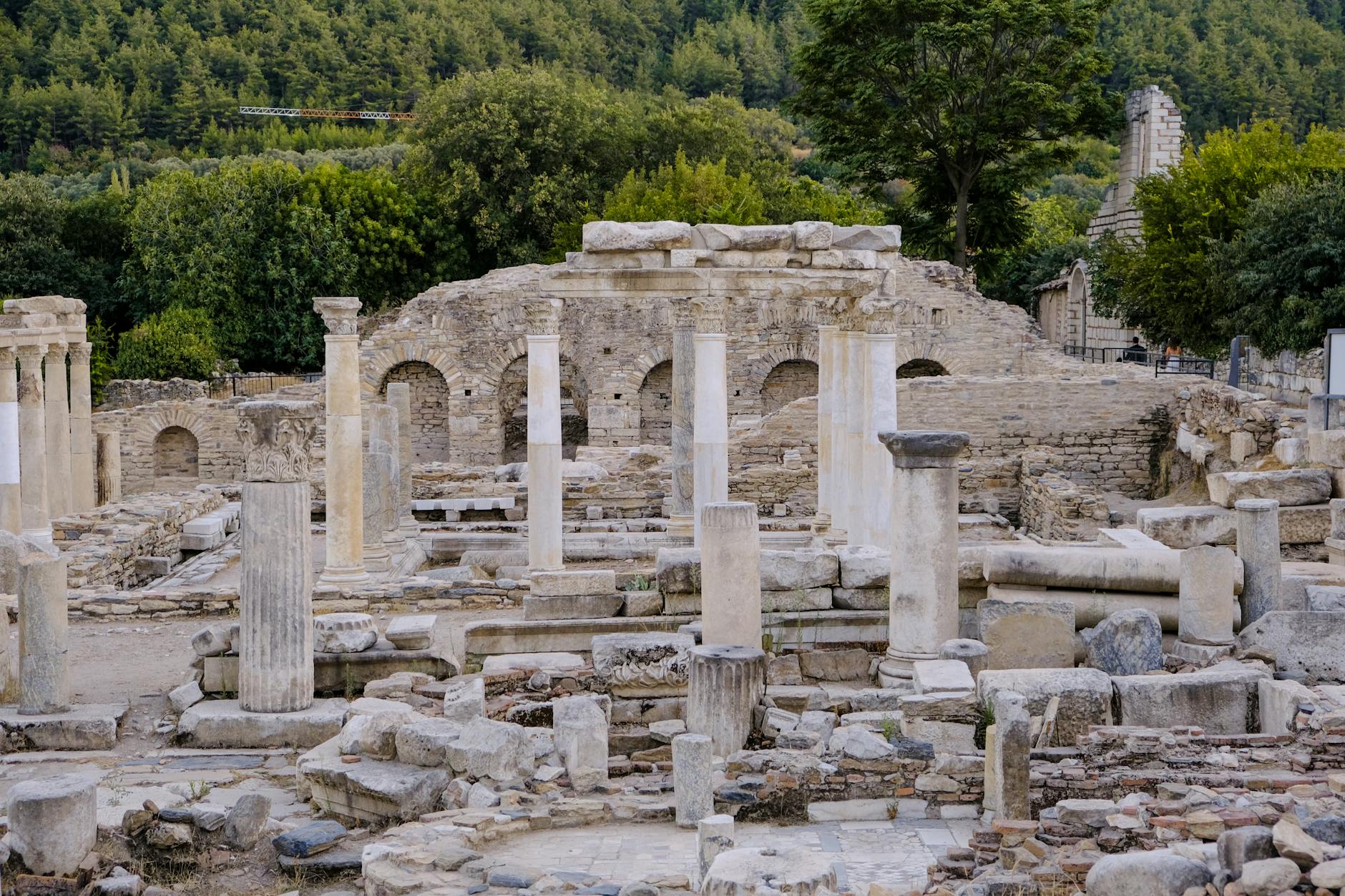
Picture a city so advanced that its influence spanned continents, a place where grand palaces adorned with gold gleamed in the sun and intricate waterways flowed through lush gardens.
This is the world Plato painted for us in his dialogues, particularly in 'Timaeus' and 'Critias'.
He described Atlantis as a powerful and technologically sophisticated civilization that thrived around 9,000 years before his time, existing beyond the Pillars of Hercules, what we now call the Strait of Gibraltar.
But what if this story was more than just a myth?
Historians and archaeologists have long debated whether Atlantis was a real place or a cautionary tale about hubris and societal downfall.
Some speculate it could represent the Minoan civilization, which faced a catastrophic volcanic eruption, while others suggest it might be a metaphor for human ambition.
The allure of Atlantis continues to capture imaginations, leading explorers and dreamers alike on quests for its lost shores.
So, was it a real city, or just a figment of Plato's imagination?
The mystery still lingers, inviting us to ponder the delicate balance between myth and history.