Unraveling the Marvel of Graphene: The Thinnest Material Ever
Graphene, a single layer of carbon atoms arranged in a two-dimensional honeycomb lattice, has captivated scientists since its discovery. This extraordinary material is not only the thinnest known substance but also boasts remarkable strength and conductivity, opening doors to innovative applications across various fields.
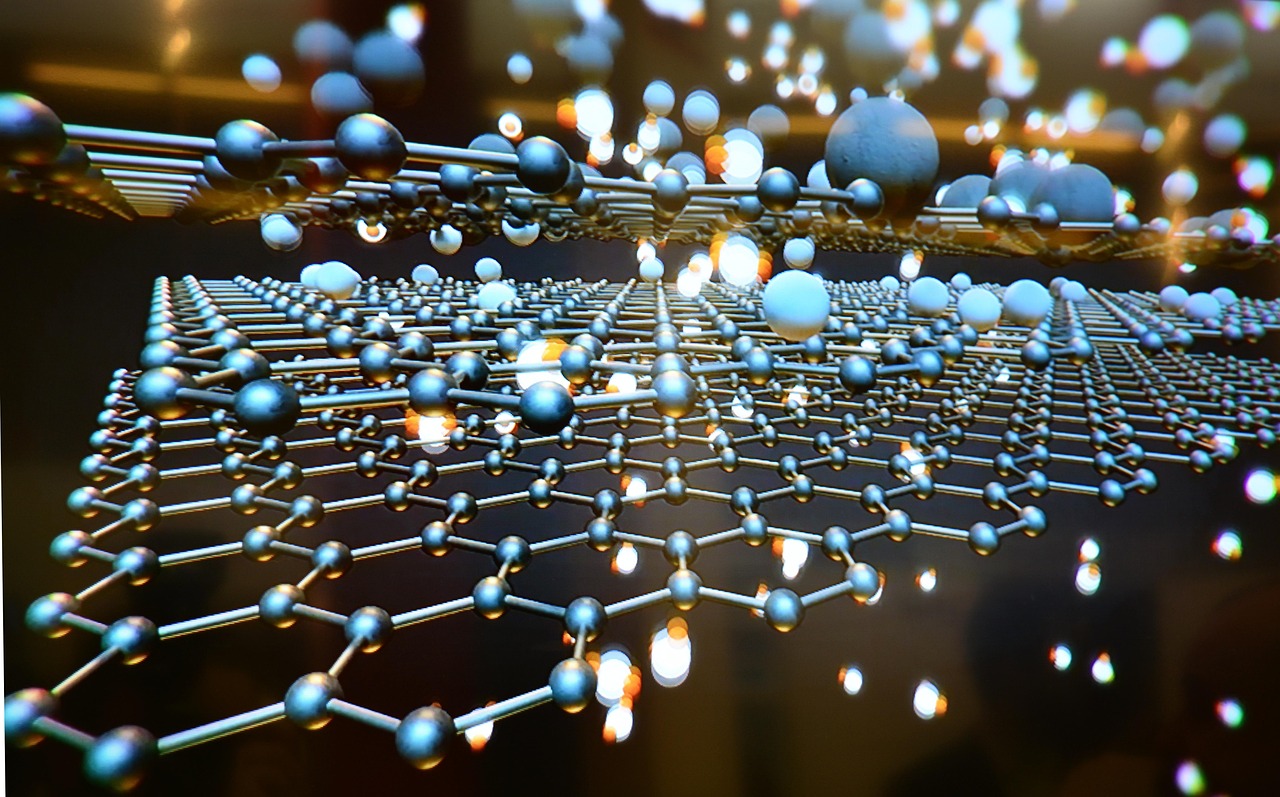
Have you ever wondered what it would be like to hold a material that's just one atom thick?
That's exactly what graphene is—an incredible substance made of carbon atoms, arranged in a hexagonal lattice, just like a chicken wire fence but on an atomic scale.
It was first isolated in 2004 by two researchers, Andre Geim and Konstantin Novoselov, who ingeniously used simple adhesive tape to peel layers off graphite until they reached that elusive single layer.
This unexpected method seemed almost too simple for such a groundbreaking discovery.
But what makes graphene so fascinating?
It’s not just about being the thinnest material on earth; it’s also about its extraordinary properties.
Graphene is remarkably strong, over 200 times stronger than steel, yet it's incredibly light.
It conducts electricity better than copper, making it a potential game-changer for electronics, energy storage, and even medical devices.
The implications of graphene stretch far and wide—from creating super-fast computer chips to revolutionizing the way we harness solar energy.
So, as we stand on the brink of what graphene can offer, one can’t help but wonder—what other secrets does the world of materials still hold?