Unraveling QR Codes: The Hidden Math Behind Their Resilience
QR codes are more than just simple patterns; they’re a marvel of technology with error correction capabilities. Using Reed-Solomon coding, these codes can store more data than meets the eye, ensuring reliability even when parts of them are damaged.
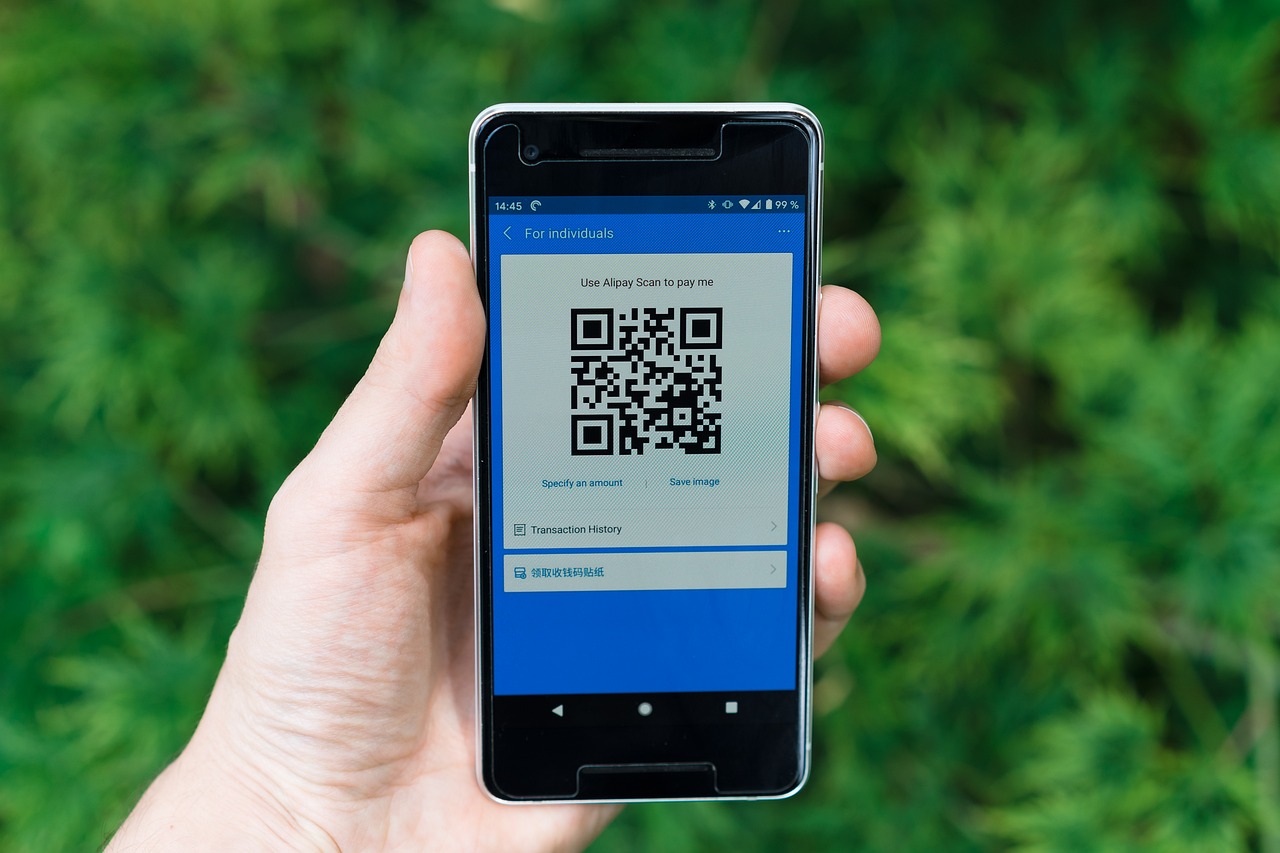
Have you ever scanned a QR code and wondered how it can still work even if it’s partially smudged or torn?
It’s all thanks to some fascinating math at play, particularly a concept called Reed-Solomon coding.
This clever system enables QR codes to include redundant data, which acts like a safety net.
Imagine a jigsaw puzzle where even if a few pieces are missing, you can still see the whole picture.
Reed-Solomon allows QR codes to recover lost information without needing every single square intact.
So how does it do this?
It cleverly embeds extra bits of data within the code itself, which might not be visible at first glance.
This means that even if a portion of the code is damaged, the remaining segments can reconstruct the missing pieces.
It’s like having a backup plan right in your pocket.
This blend of simplicity in design and complexity in function is what makes QR codes so incredibly powerful.
Next time you scan one, think about that hidden math working tirelessly to ensure your experience is seamless.
What other everyday technologies are using similar clever tricks to enhance their reliability?