The TCP Three-Way Handshake: A Guardian of Internet Connections
Have you ever wondered why your internet connections seem so reliable? The TCP three-way handshake is a simple yet effective ritual that safeguards our online experiences from phantom connections and resource exhaustion. Let’s dive into how this essential process works and why it matters.
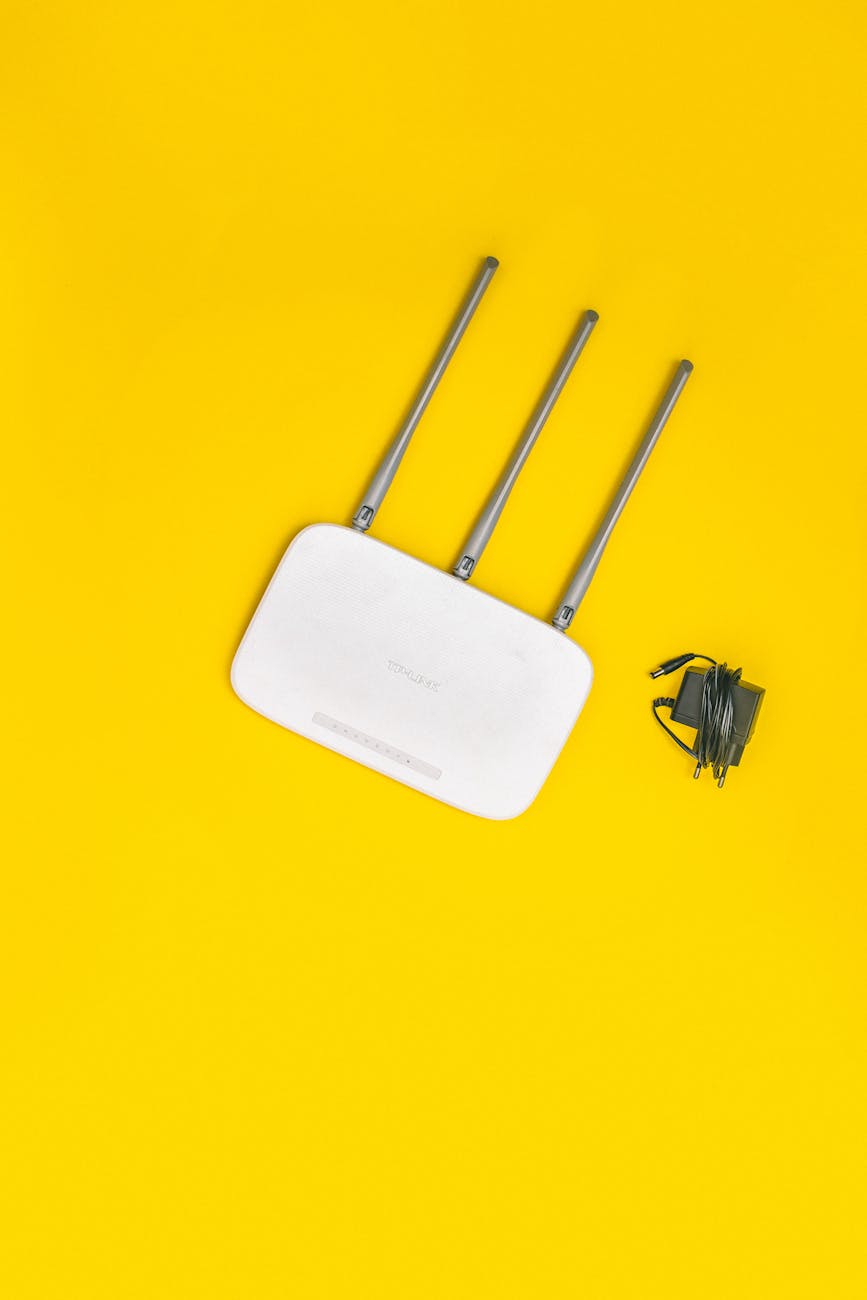
Imagine you’re at a busy coffee shop, and you want to make sure your order is correctly placed before you settle down with your laptop.
You wouldn’t just shout your order into the air and hope for the best, right?
You’d want to confirm that your barista heard you.
This is similar to what happens in the world of networking with the TCP three-way handshake.
It’s a quick, three-step process that establishes a reliable connection between your device and a server.
First, your device sends a ‘SYN’ packet to the server, saying, ‘Hey, I want to talk!’ The server then replies with a ‘SYN-ACK’ packet, confirming, ‘I hear you, and I’m ready to chat.’ Finally, your device sends back an ‘ACK’ packet, sealing the deal.
This simple exchange not only ensures both parties are ready but also protects against phantom connections—those ghostly requests that could overburden a server with fake traffic.
By requiring this handshake, the TCP protocol prevents wasted resources and keeps our internet running smoothly.
So next time you connect online, think of that little ritual happening behind the scenes, quietly securing our digital interactions.
And as we rely more on the internet, what other unseen mechanisms might be working to keep us safe?