The Suez Canal: No Locks, No Limits
Ever wondered why the Suez Canal doesn’t have any locks? This design choice was pivotal, not just for maritime navigation but also for reshaping global trade routes and geopolitical dynamics.
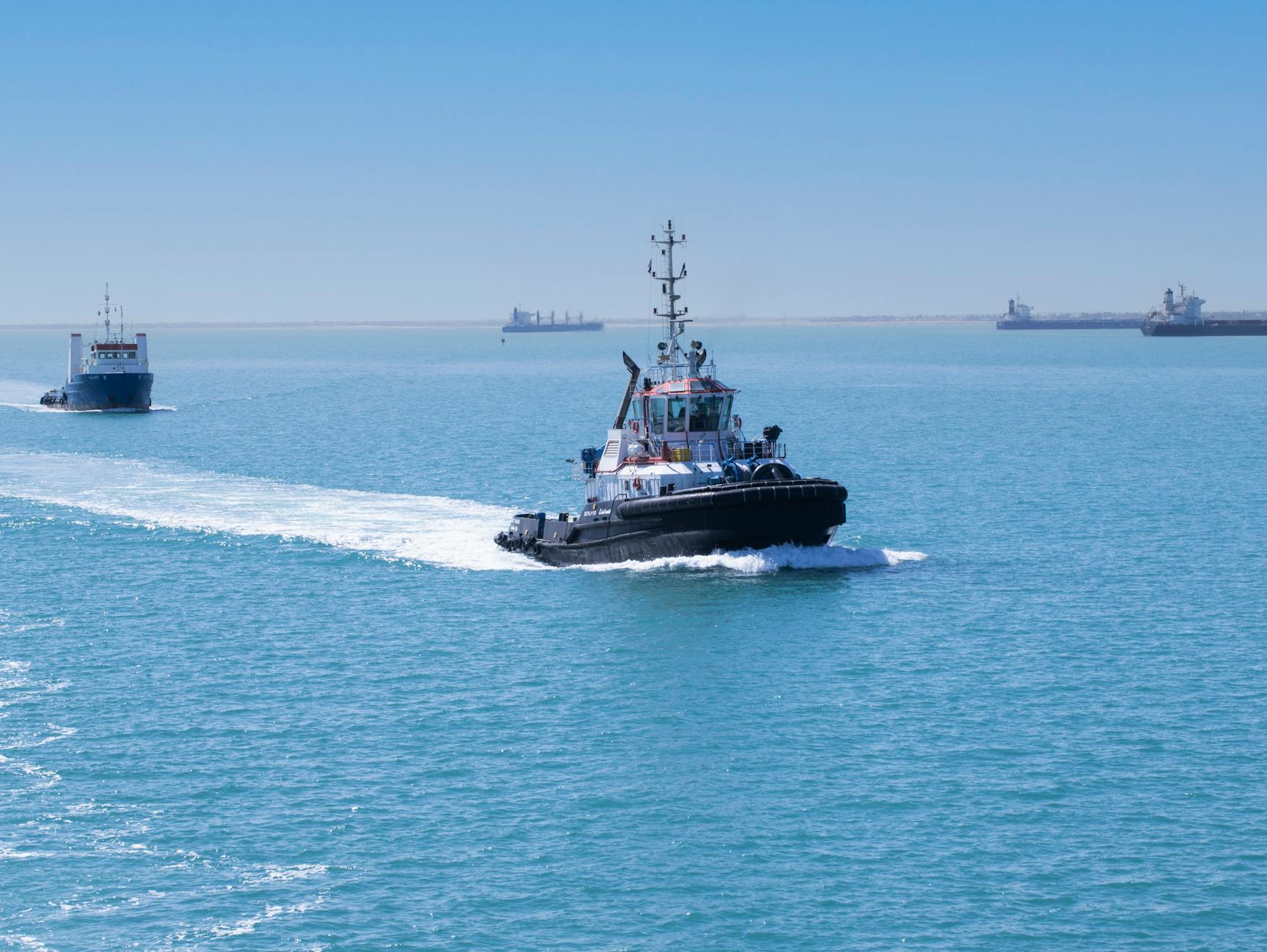
Picture this: a massive waterway, stretching over a hundred miles, connecting the Mediterranean Sea to the Red Sea, allowing ships to bypass the lengthy journey around Africa.
That's the Suez Canal for you, and its lack of locks is a fascinating story in itself.
You see, when the canal was constructed in the 19th century, engineers envisioned a seamless passage that would facilitate uninterrupted maritime traffic.
The decision to design it without locks meant that ships could glide effortlessly from one sea to another, drastically reducing travel time and costs.
This design not only transformed trade routes but also turned the canal into a crucial geopolitical chokepoint.
Countries realized that controlling the Suez meant controlling a vital artery of commerce, forever altering global politics.
Today, about 12% of global trade passes through this canal, making it a lifeline for economies worldwide.
Imagine the ripple effects of a single blockage or a closure!
The Suez Canal isn't just a marvel of engineering; it’s a testament to how a simple design decision can shape the course of history.
What other engineering feats have had such profound impacts on the world?