The Spread of Buddhism Along the Silk Road
As merchants traveled the Silk Road, they carried not just goods but also religious ideas, leading to the widespread adoption of Buddhism in Central and East Asia.
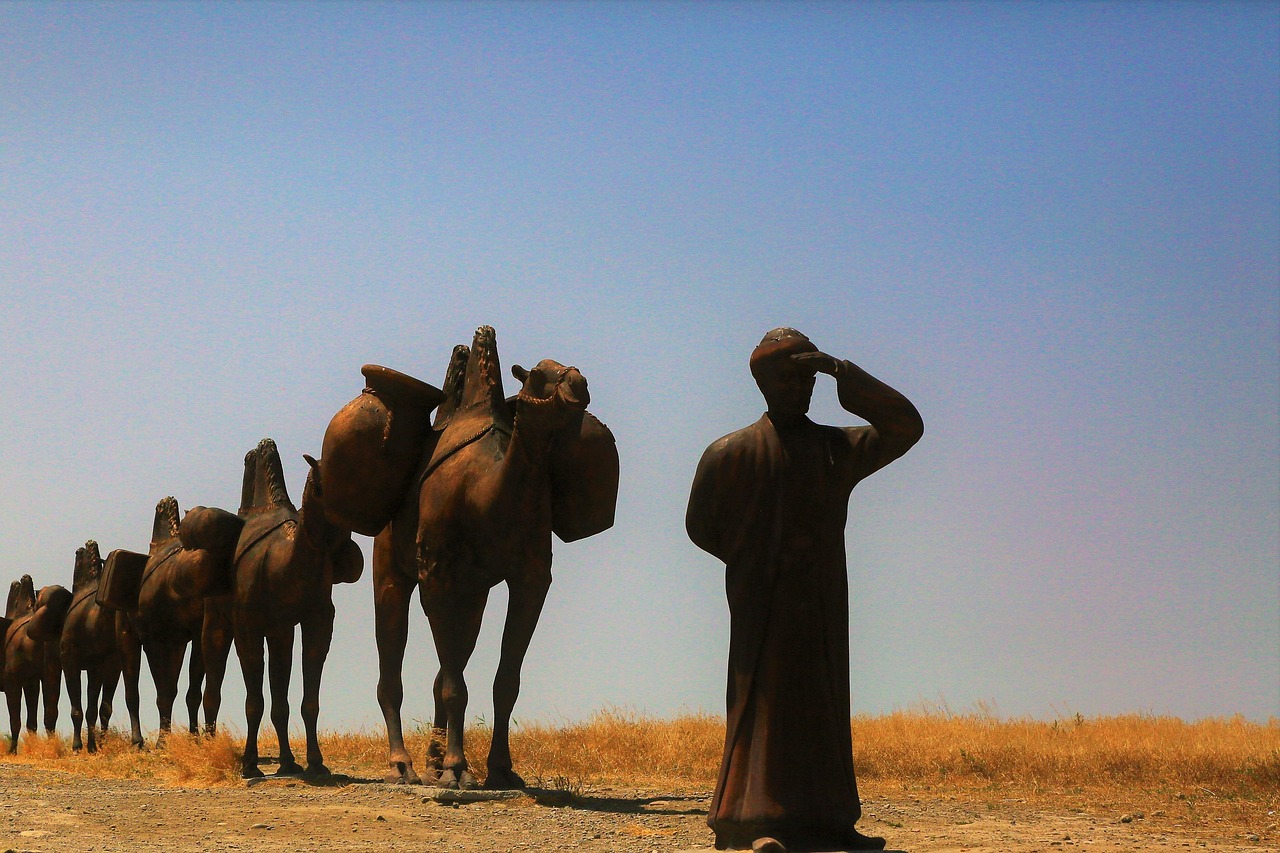
Have you ever wondered how a religious philosophy from the Indian subcontinent made its way across vast distances to influence cultures in Central and East Asia?
The answer lies in the bustling trade routes known as the Silk Road.
As merchants journeyed along these paths, they exchanged much more than silk, spices, and precious metals.
They carried ideas, stories, and beliefs, and among them was Buddhism.
Originating in the 5th century BCE with Siddhartha Gautama, known as the Buddha, this faith began to spread from India into surrounding regions.
By the time the Silk Road reached its peak during the Tang Dynasty, Buddhist monks were traveling alongside traders, sharing teachings and scriptures.
Temples and monasteries began to spring up along the trade routes, serving as places of worship and community for travelers and local populations alike.
The adoption of Buddhism was not merely a matter of faith; it intertwined with local customs and traditions, adapting to the unique cultural landscapes it encountered.
This syncretism allowed Buddhism to flourish in places like China, Korea, and Japan, each contributing its own interpretations and practices.
The spread of Buddhism transformed not just spirituality but also art, philosophy, and social structures.
As we reflect on this remarkable exchange of ideas and beliefs, one can't help but wonder: how does the legacy of this ancient trade route continue to influence our modern world today?