The Shocking Origins of the First Battery: Frog Legs and Science
Imagine a world where the spark of electricity was discovered using something as unexpected as frog legs. This fascinating story takes us back to the 18th century, where scientists like Alessandro Volta introduced a groundbreaking invention that forever changed energy. Let's dive into the curious connection between biology and the birth of the battery.
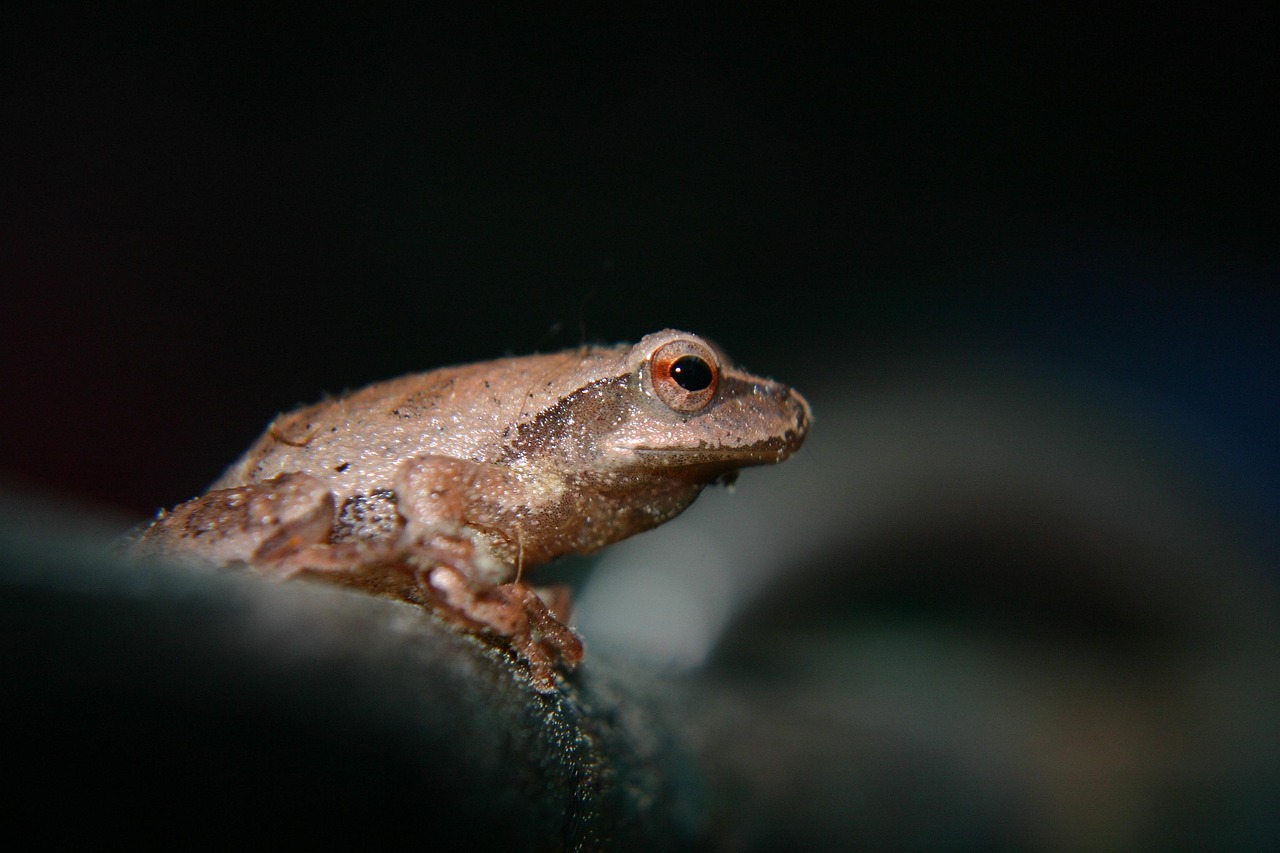
Have you ever thought about how something as simple as frog legs could lead to the invention of the battery?
It might sound bizarre, but in the late 1700s, Alessandro Volta made a groundbreaking discovery that would pave the way for modern electricity.
Volta was intrigued by the experiments of his contemporaries, especially Luigi Galvani, who found that frog legs twitched as if alive when struck by a spark of electricity.
This phenomenon got Volta thinking.
What if he could create a steady flow of electricity, rather than just fleeting sparks?
So, he crafted what would become known as the voltaic pile, the first true battery.
By stacking discs of copper and zinc, separated by layers of cardboard soaked in saltwater, he created a continuous source of electrical current.
It was revolutionary!
This invention opened up a universe of possibilities, leading to everything from the telegraph to the smartphone in your pocket today.
Isn’t it fascinating how a simple observation of frog legs helped ignite the fire of electrical innovation?
Who knows what other surprising connections await us in the world of science?