The Shift from Gold to Paper: A Trust Revolution
Imagine a world where trust in currency shaped society. The transition from gold to paper money marked a pivotal moment when confidence became the real currency, reshaping economic interactions forever.
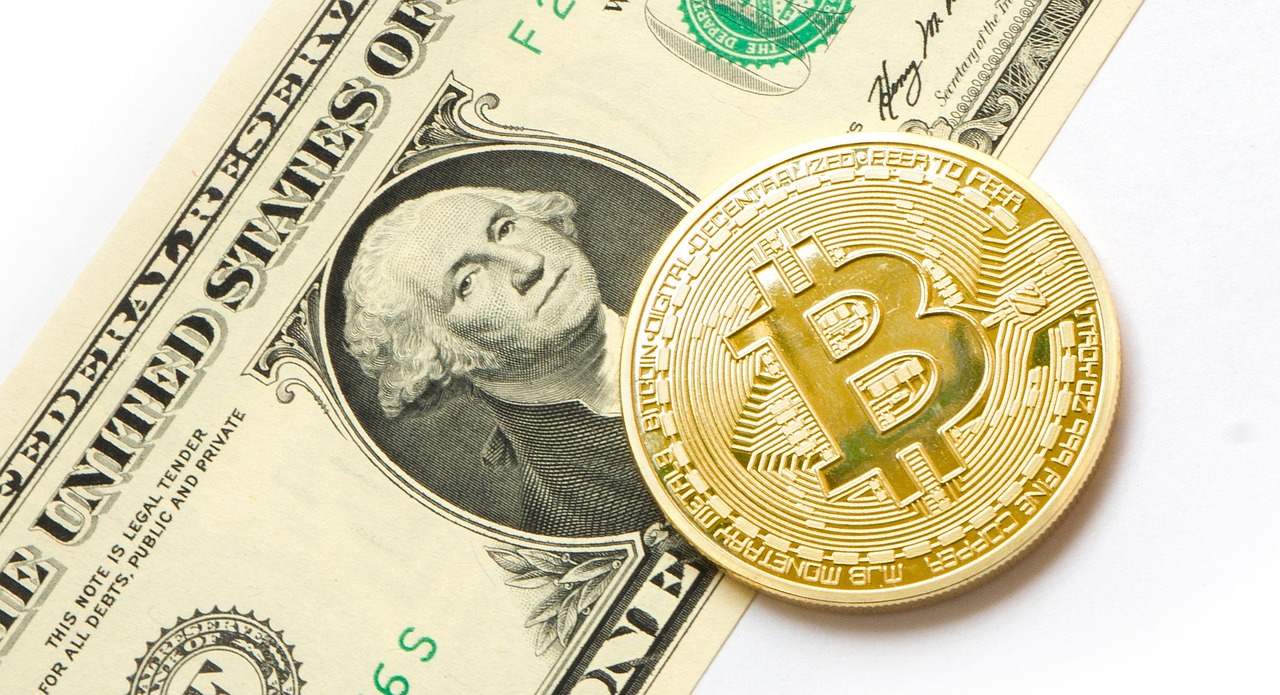
Have you ever thought about the moment when paper money first challenged the age-old dominance of gold?
Picture this: it’s the early 17th century in Europe, and the concept of paper currency is just beginning to take root.
Instead of lugging around heavy coins, merchants started issuing notes that promised to pay the bearer a specific amount in gold or silver.
At first, this shift was met with skepticism.
After all, how could a mere piece of paper hold any value compared to the solid gold that had backed wealth for centuries?
But then came the moment of truth.
During the financial crisis of 1720, known as the South Sea Bubble, trust in gold reserves faltered.
People rushed to banks to exchange their shares for gold, but the banks didn’t have enough to satisfy the demand.
In that chaos, those who held paper notes instead found a surprising sense of security.
They realized that it wasn’t just the gold in the vaults that mattered, but the trust in the institutions that issued the paper.
This was the turning point—confidence in the currency, rather than the metal itself, became the new bedrock of economic stability.
Suddenly, paper money wasn’t just a promise; it became a lifeline, a symbol of trust that allowed societies to flourish and grow.
The implications of this shift still echo in our financial systems today, where trust remains a currency of its own.
Isn’t it fascinating how a simple piece of paper transformed the fabric of society?
What do you think would happen if trust in our currency were to waver again?