The Secrets of Grocery Pricing: Why 99 Cents Works Wonders
Ever wondered why you often see prices ending in .99? Grocery stores use this psychological pricing to influence our spending habits, tapping into the fascinating field of behavioral economics. Let's dive into how these tiny figures can impact your weekly grocery bill more than you might think.
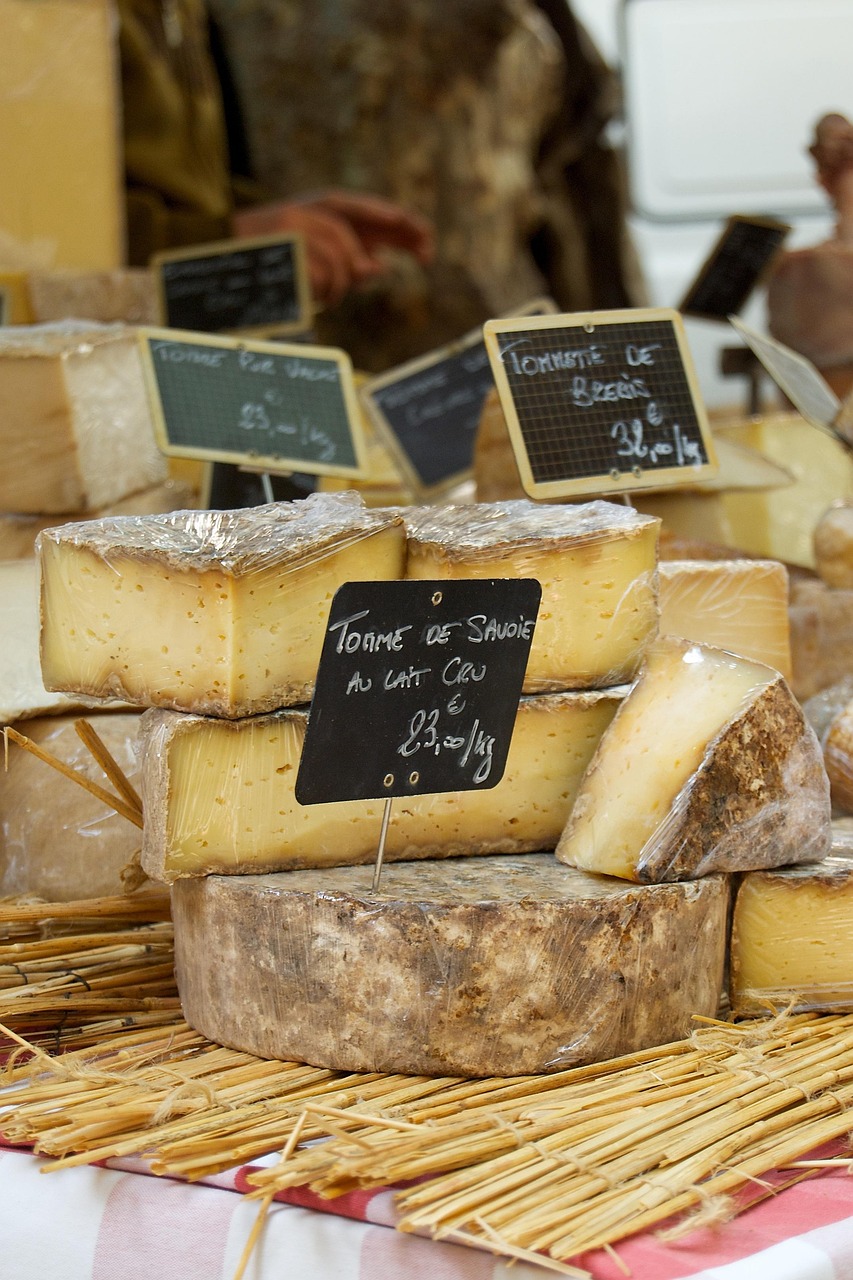
Have you ever stopped to think about the prices you see on grocery store shelves?
That .99 at the end of a price isn’t just a quirky marketing tactic; it’s a carefully crafted psychological strategy.
When you see $2.99, it feels significantly cheaper than $3, doesn’t it?
This clever pricing trick plays into our brains in a way that makes us perceive those numbers differently, nudging us to buy more than we might have intended.
It’s a classic example of behavioral economics in action, where our decisions aren’t always as rational as we believe.
Grocery stores know that when prices end in .99, it can lead to increased sales, making shoppers feel like they are getting a better deal, even if the difference is just a penny.
And it doesn’t stop there.
The layout of the store, the placement of products, and even the colors used in signage all whisper to our subconscious minds, shaping our shopping experience and spending habits.
Next time you’re at the grocery store, keep an eye out for these little details.
You might just find that the way you shop is influenced by more than just your list.
What other subtle cues might be affecting how much we spend without us even realizing it?
That’s a question worth pondering as you navigate the aisles.