The Secrets Behind Phone Number Patterns
Ever wondered why phone numbers are structured the way they are? The fascinating history of early telephone systems reveals how digit patterns have shaped our dialing habits, and even today, they influence the way we memorize and connect with one another.
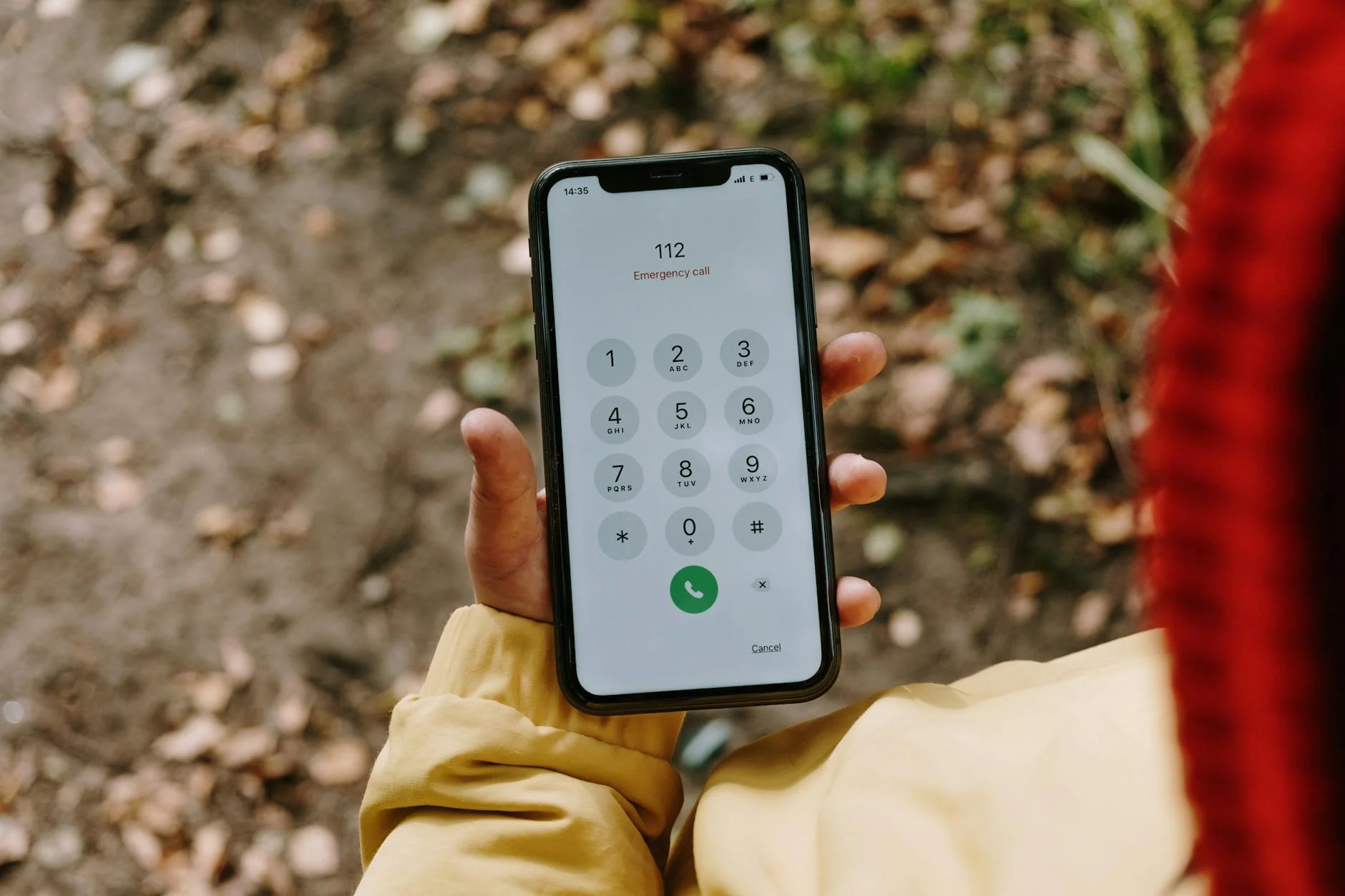
Have you ever paused to think about why phone numbers are grouped in those familiar patterns?
It all traces back to the early days of telephone technology, when switchboards and operators were the backbone of communication.
Back then, telephone lines were limited, and the system needed a way to efficiently route calls.
This necessity led to the creation of area codes, which are typically three digits long, followed by a three-digit exchange code and then a four-digit subscriber number.
This structure not only made it easier for operators to connect calls but also streamlined the dialing process for users.
Now think about it—when you memorize a phone number, how often do you chunk it into smaller groups?
That’s no accident.
Our brains are wired to recognize patterns, and this digit grouping helps us remember those numbers more easily.
Even today, when we dial or save numbers, we rely on those patterns established long ago.
It’s a fascinating legacy from an era when everything was more manual, and yet it continues to shape our modern interactions.
So, the next time you dial a number or save a contact, remember, you’re following a tradition that started in a world of switchboards and operators.
And what might future innovations bring to the way we communicate?