The Science of Corrosion Resistance
Exploring the Iron Pillar opens up a discussion about the scientific principles of corrosion resistance that continue to be relevant today.
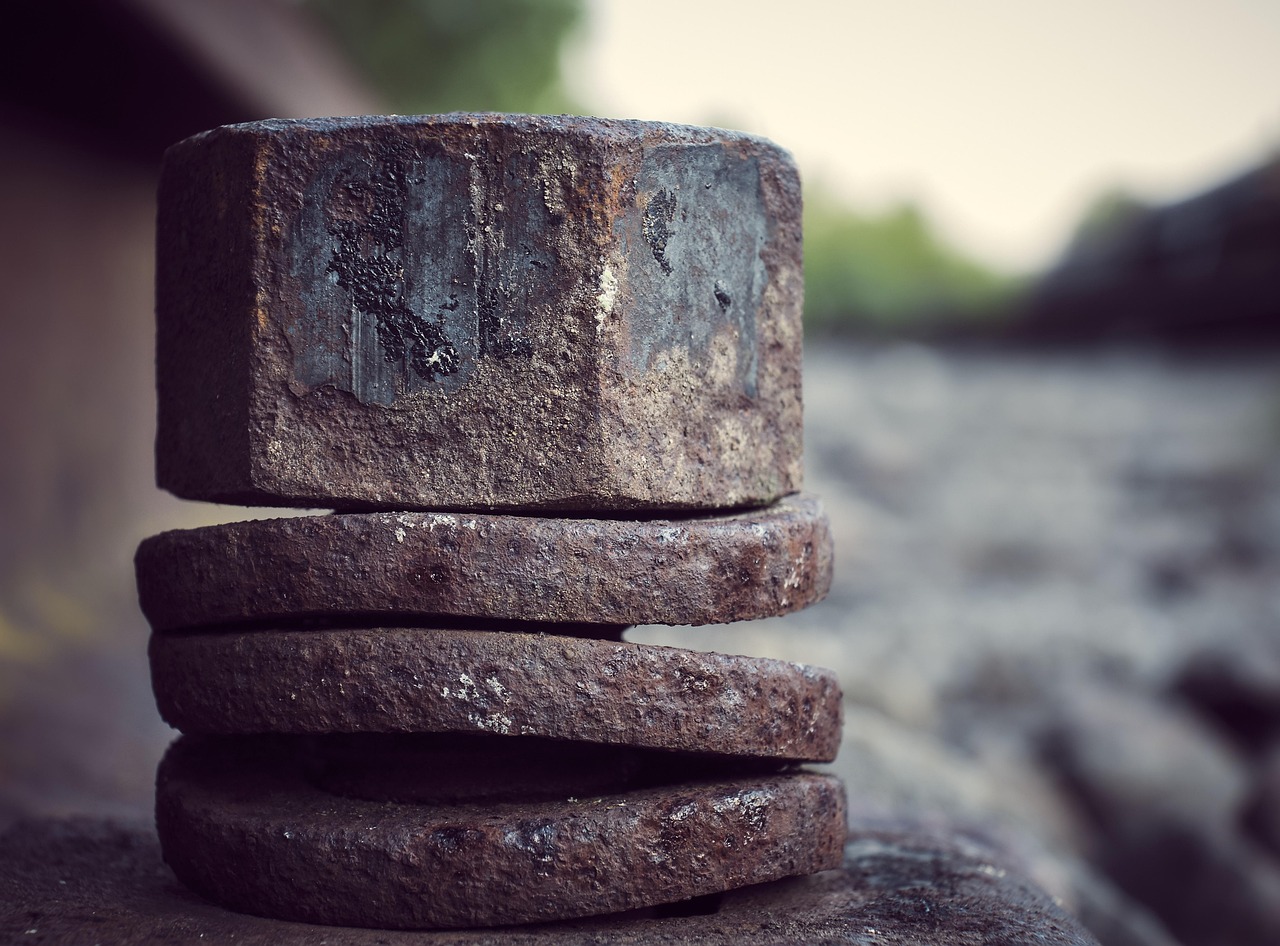
In the heart of Delhi, there's an ancient iron pillar that has baffled scientists for over a millennium.
Standing tall, this remarkable structure has resisted rusting for more than 1,600 years, despite the ravages of time and the elements.
Imagine that!
An iron column, withstanding the corrosive forces that have turned countless other iron artifacts into mere dust.
Built during the reign of Chandragupta II, this pillar is not just a relic; it’s a testament to the advanced metallurgy of ancient India.
Crafted from a unique blend of iron, it possesses a high phosphorus content, which somehow formed a protective layer of magnetite when exposed to the atmosphere.
This layer prevents further corrosion, making it a marvel of engineering.
The insight here?
While modern science has only recently made strides in understanding corrosion resistance, ancient craftsmen were already harnessing these principles.
This realization challenges the notion that technological advancements are solely a modern phenomenon.
If a simple pillar can stand the test of time, what other forgotten innovations lie buried in history?
Perhaps, much like this pillar, there are secrets from the past waiting to be unearthed, holding the key to future advancements.