The Science Behind Traffic Light Colors: A Hidden Journey
Ever wondered why traffic lights are red, yellow, and green? These colors are not just random choices; they stem from a fascinating blend of physics and human psychology that has shaped our daily interactions with the road.
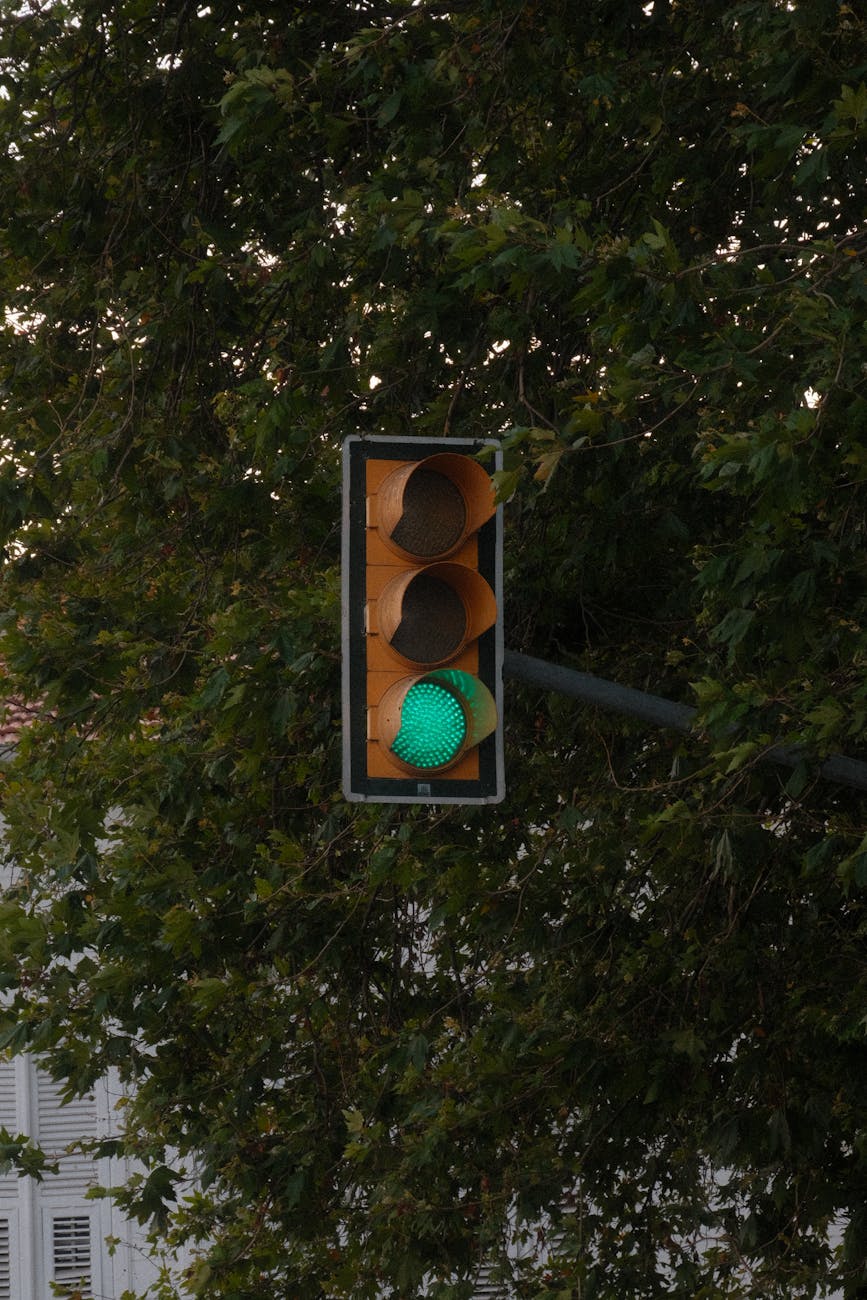
Have you ever stopped to think about why traffic lights are red, yellow, and green?
It’s interesting to consider that these colors were chosen not just for their visibility, but also for their psychological impact on us as drivers.
Red is associated with danger, and it captures our attention immediately.
This is supported by the physics of light; red wavelengths are longer and scatter less, making them more visible from a distance, especially in low-light conditions.
Yellow, on the other hand, serves as a cautionary signal, a gentle reminder to slow down.
It’s designed to alert us before the light turns red, giving us time to react.
And then there’s green, symbolizing safety and permission to go.
This color was selected because it stands out against the natural backdrop of the environment, making it easy for us to recognize when it's safe to proceed.
But did you know this system is deeply rooted in railway signaling?
The same colors were adopted in traffic lights to maintain consistency across different forms of transport.
This connection highlights how human perception and the physics of light have shaped the very rules we follow every day.
Isn’t it fascinating to think about how something as simple as a color can influence our behavior on the road?
What other hidden connections might we discover between science and the world around us?