The Science Behind Red Sunsets: Why Do They Glow?
Have you ever wondered why sunsets light up the sky in vibrant shades of red and orange? The magic lies in atmospheric scattering, which filters out blue wavelengths as the sun dips below the horizon.
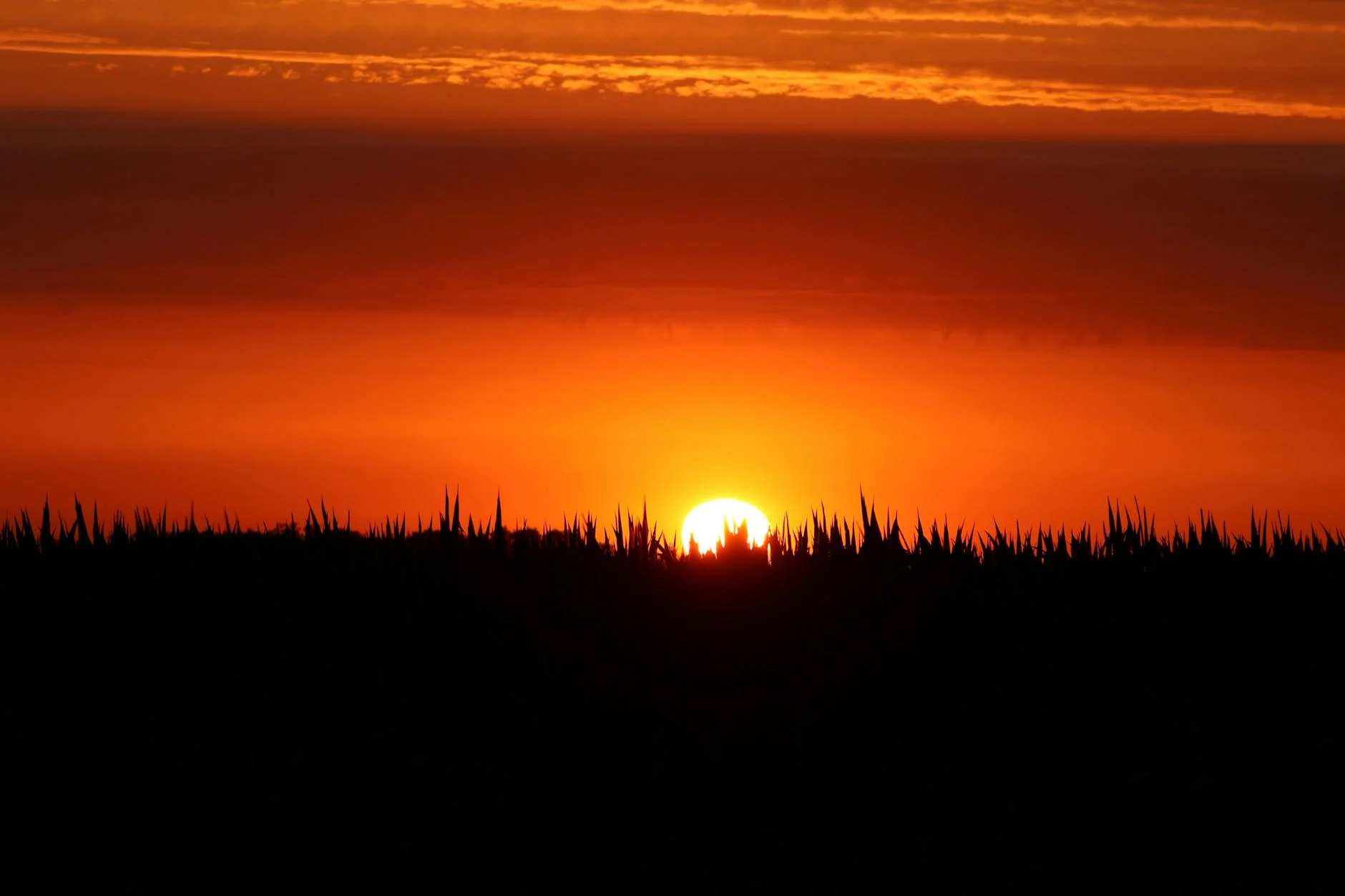
Imagine standing on a beach, the sun slowly sinking into the ocean, painting the sky with stunning hues of red and orange.
But have you ever stopped to wonder why this happens?
It all comes down to a phenomenon called Rayleigh scattering.
As sunlight travels through the atmosphere, it encounters air molecules and tiny particles that scatter shorter wavelengths of light—those are the blues and violets.
Now, during the day, this scattering gives us that beautiful blue sky.
But as the sun sets, its light has to pass through a thicker slice of the atmosphere.
In this longer journey, most of the blue light gets scattered out of our line of sight, leaving behind the longer wavelengths like reds and oranges to dominate the horizon.
This is why sunsets can be so breathtakingly vibrant.
And if you're lucky, you might even witness a spectrum of colors as the sun disappears, a reminder of the intricate dance between light and the world around us.
So, the next time you catch a sunset, think about the science at play that turns a simple day into a vivid display of colors—what other secrets does our atmosphere hold?