The Science Behind Pressure Cooking: Faster Meals at Higher Pressure
Ever wondered why pressure cookers whip up your meals so quickly? It all boils down to the fascinating physics of boiling points and pressure, which transforms your cooking experience in unexpected ways.
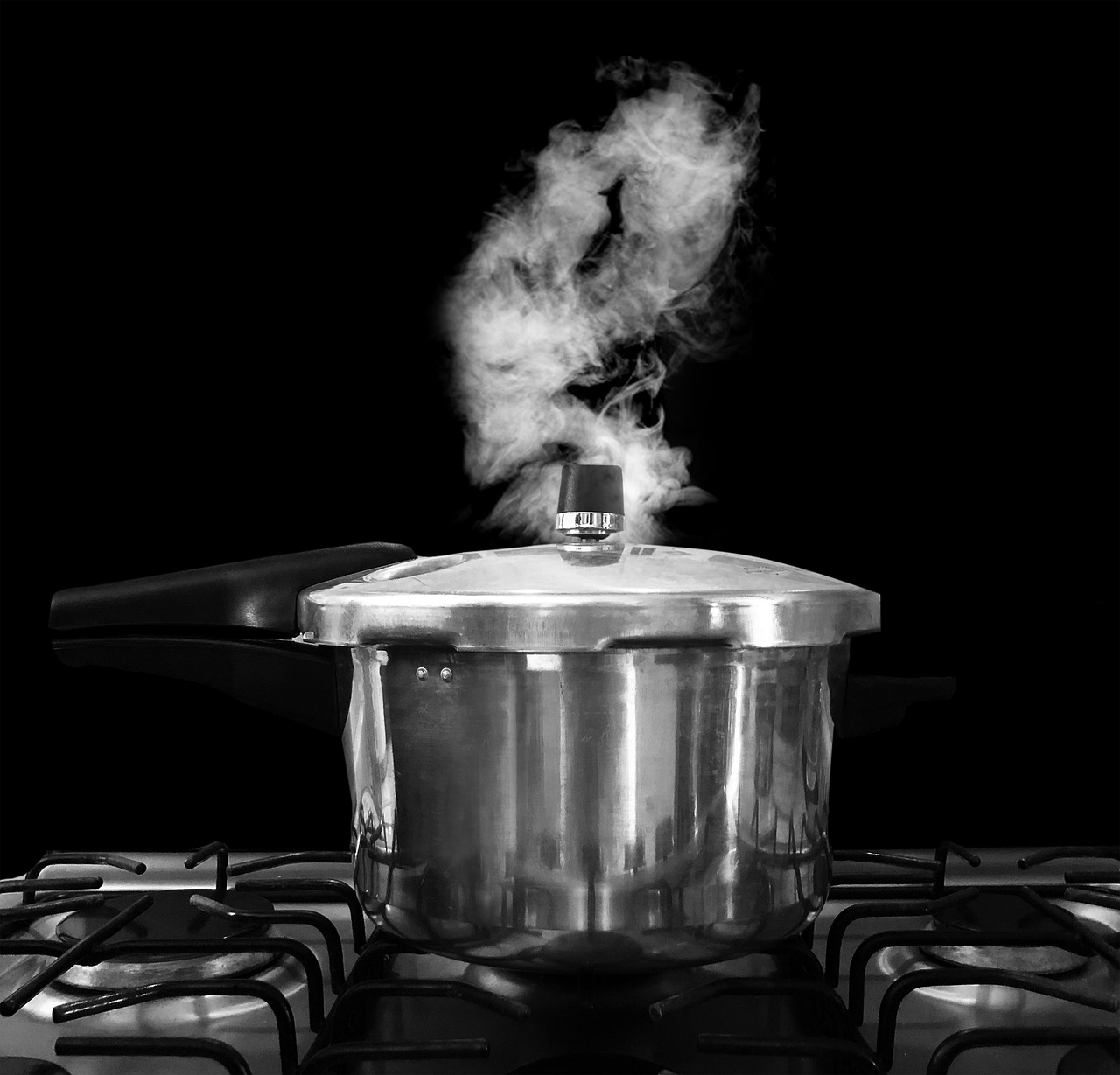
Imagine this: you’re in a hurry, and dinner needs to be on the table.
Enter the pressure cooker, your culinary superhero.
But have you ever stopped to think about how it works its magic?
When you seal the lid and heat the pot, pressure builds up inside.
This increased pressure raises the boiling point of water, which means that instead of boiling at 100 degrees Celsius, it can reach temperatures of 120 degrees or even higher.
This higher temperature cooks food faster and more efficiently.
Think about it—when you cook pasta or beans in a regular pot, they simmer away in boiling water, slowly absorbing heat.
But in a pressure cooker, the steam trapped inside cooks them at a much higher temperature, breaking down tough fibers and making your meals tender in a fraction of the time.
So, not only are you saving time, but you’re also unlocking flavors that might have taken longer to develop.
Isn’t it fascinating how something as simple as pressure can transform your kitchen chemistry?
Next time you use a pressure cooker, remember the physics at play.
What other everyday appliances hide such intriguing science beneath the surface?
That’s a question worth pondering.