The Science Behind Microwave Oven Doors: A Mesh of Safety and Visibility
Ever wondered why microwave ovens feature that distinctive metal mesh with tiny holes? It’s not just for looks; this clever design allows you to monitor your food while keeping harmful radiation safely contained inside.
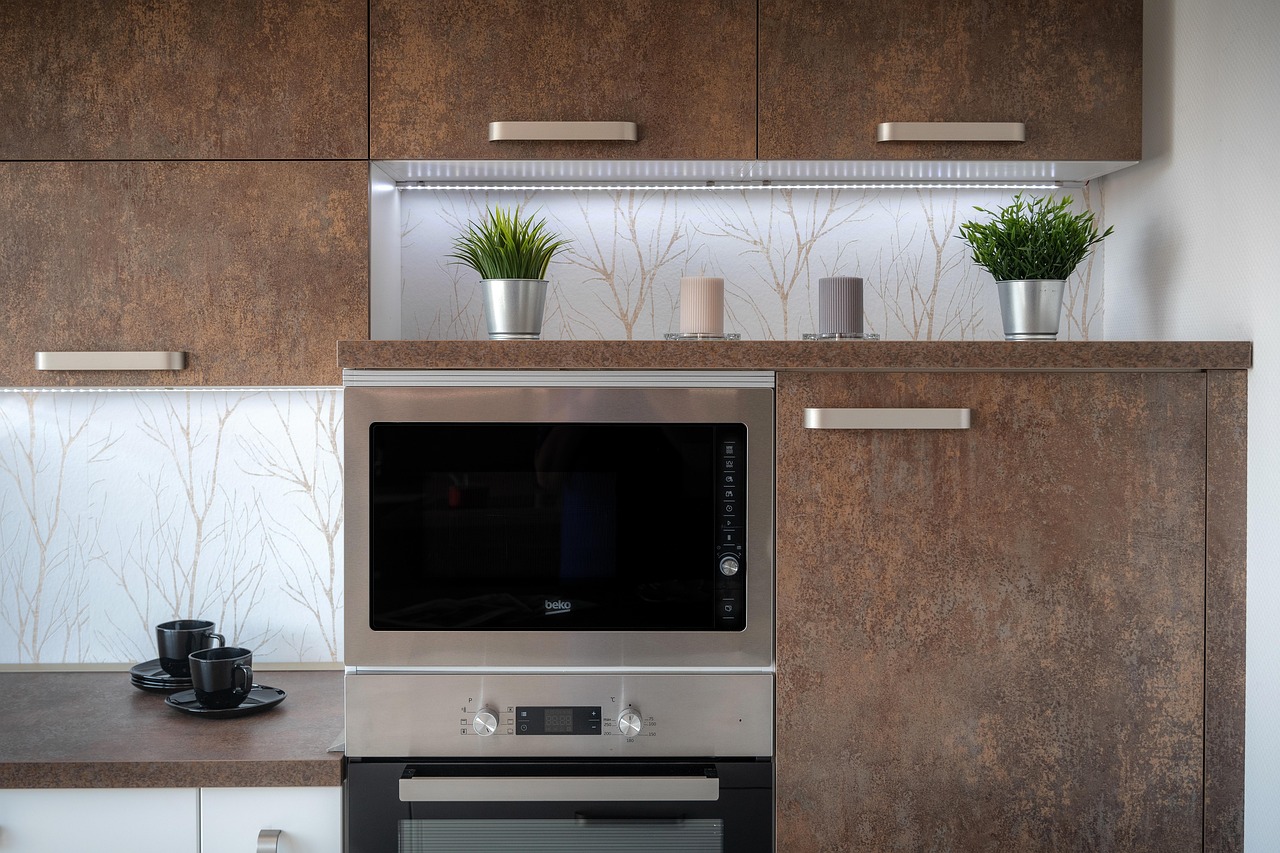
Have you ever peered into a microwave oven, curious to see how your meal is faring?
That metal mesh you see in the door isn’t just a quirky design choice.
It serves a very important purpose.
You see, microwave ovens cook food using electromagnetic waves, specifically at a frequency of about 2.45 gigahertz.
Now, these waves can be quite powerful, and the mesh with those tiny holes plays a critical role in keeping things safe.
The holes are designed to be smaller than the wavelength of the microwaves themselves, which means that while the waves can’t escape, light can pass through.
This clever engineering allows you to keep an eye on your food while ensuring that the radiation remains contained.
It’s a beautiful example of physics at work, balancing functionality and safety.
So next time you’re waiting for your leftovers to heat up, remember that little mesh is doing its job, quietly ensuring your meal is warm and your kitchen is safe.
Isn’t it fascinating how something so simple can embody complex science?
It makes you wonder what other everyday objects are hiding their secrets in plain sight.