The Science Behind Dimmed Cabin Lights During Takeoff and Landing
Ever wondered why airplane lights dim during crucial moments like takeoff and landing? This simple act plays a significant role in enhancing our night vision, making emergency evacuations safer for everyone on board.
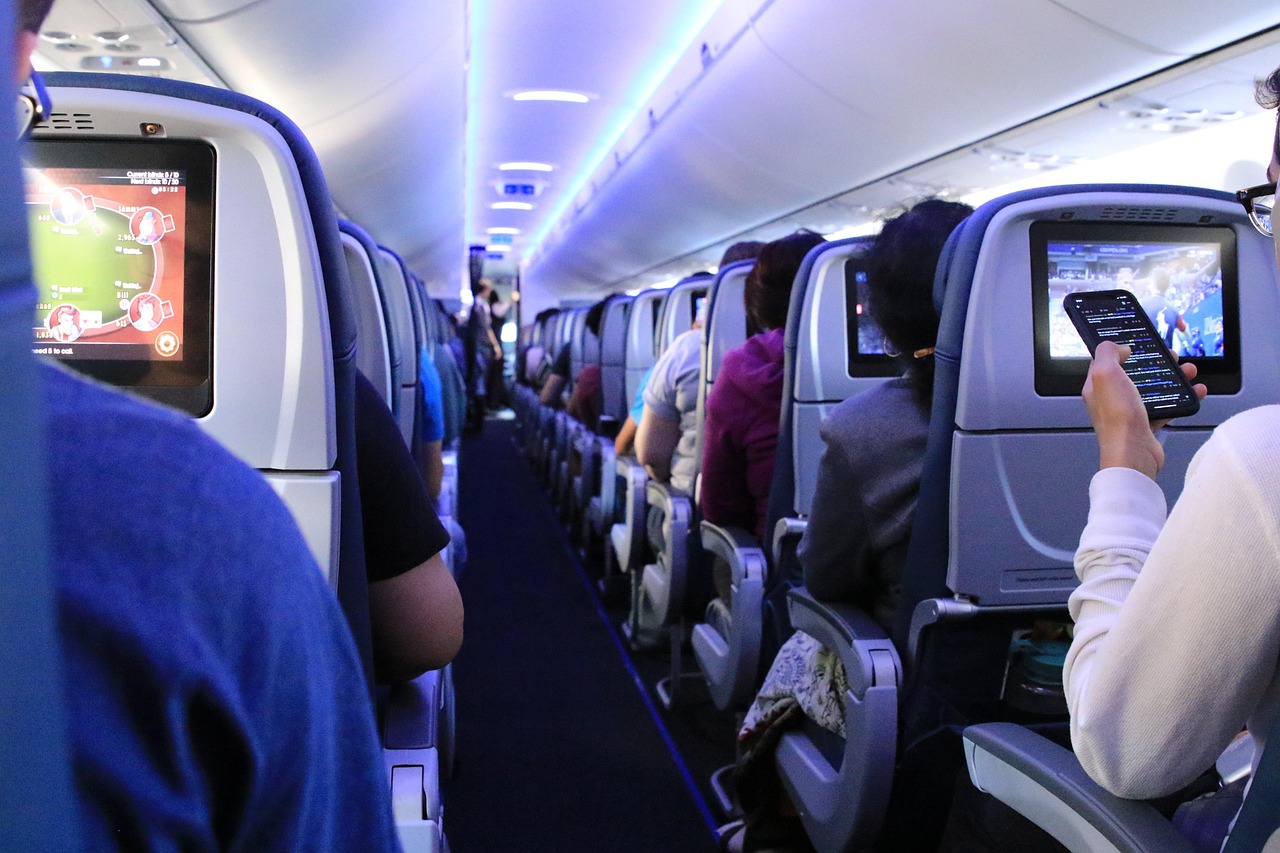
Imagine you're settling into your airplane seat, preparing for takeoff, when suddenly, the cabin lights dim.
It's not just for ambiance; this clever strategy is about safety.
You see, when the lights go down, it helps our eyes to adjust more quickly to low-light conditions.
This adaptation is crucial during emergencies, as it allows passengers to see exits and escape routes more clearly if the cabin becomes dark due to smoke or other hazards.
But how does this work?
Our eyes have specialized cells called rods that kick into action in low light, enhancing our night vision.
By dimming the lights, the crew ensures that everyone’s eyes are already in adjustment mode, ready to navigate to safety if needed.
It’s a small but powerful detail that can make a massive difference when every second counts.
So, the next time you fly, take a moment to appreciate this thoughtful safety measure.
It’s just one of the many ways science quietly works in our favor, protecting us in the skies.
What other fascinating safety features do you think might be at play in aviation?