The Sacred Legacy of Kashi Temple: A Historical Journey
Kashi Temple, known as the Kashi Vishwanath Temple, is a profound symbol of spirituality and resilience in Indian history. Nestled in Varanasi, this temple has been a center of devotion for centuries, attracting pilgrims from all over the world.
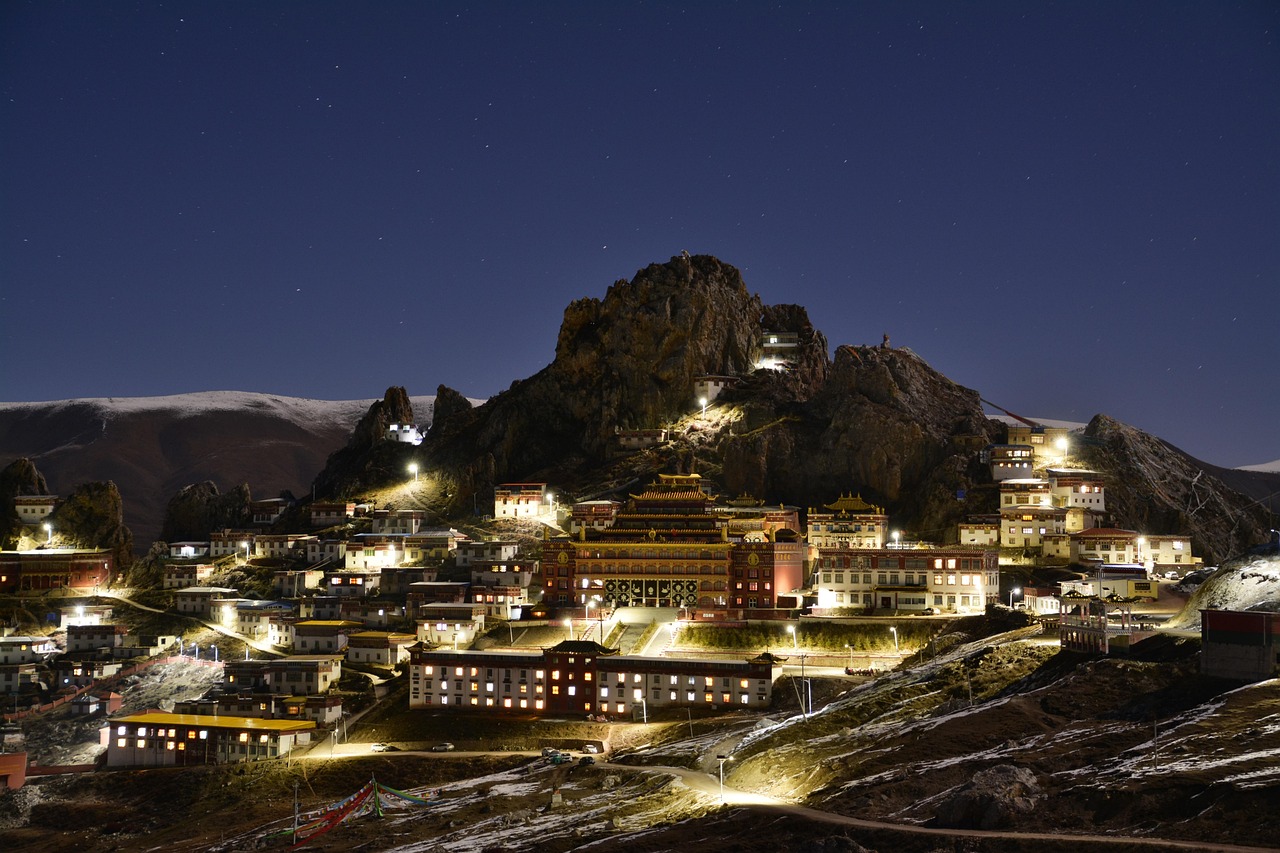
Have you ever wondered about the stories hidden within the walls of ancient temples?
Kashi Vishwanath Temple in Varanasi is not just a sacred site; it's a living testament to India's rich spiritual heritage.
Dating back to the 11th century, this temple is dedicated to Lord Shiva and is revered as one of the twelve Jyotirlingas.
But what makes Kashi so special?
It’s not merely the devotion but the tales of resilience that echo through its corridors.
Over the centuries, it has faced destruction and reconstruction, notably by Mughal Emperor Aurangzeb, who demolished the original temple in 1669.
Yet, the spirit of Kashi endured.
The temple was rebuilt soon after, becoming a symbol of faith and perseverance for countless devotees.
Today, as you walk through its vibrant alleys, you can feel the pulse of history, where every corner tells a story of devotion, sacrifice, and renewal.
The annual festivals here draw millions, transforming the city into a living tapestry of culture and spirituality.
Kashi Vishwanath Temple is more than just a destination; it’s an experience that connects the past with the present.
What other secrets might the streets of Varanasi hold, waiting to be uncovered?