The Role of QR Codes in Modern Marketing
Exploring how Quick Response (QR) codes emerged as a response to the limitations of traditional barcodes and their impact on mobile marketing strategies offers insight into contemporary consumer engag
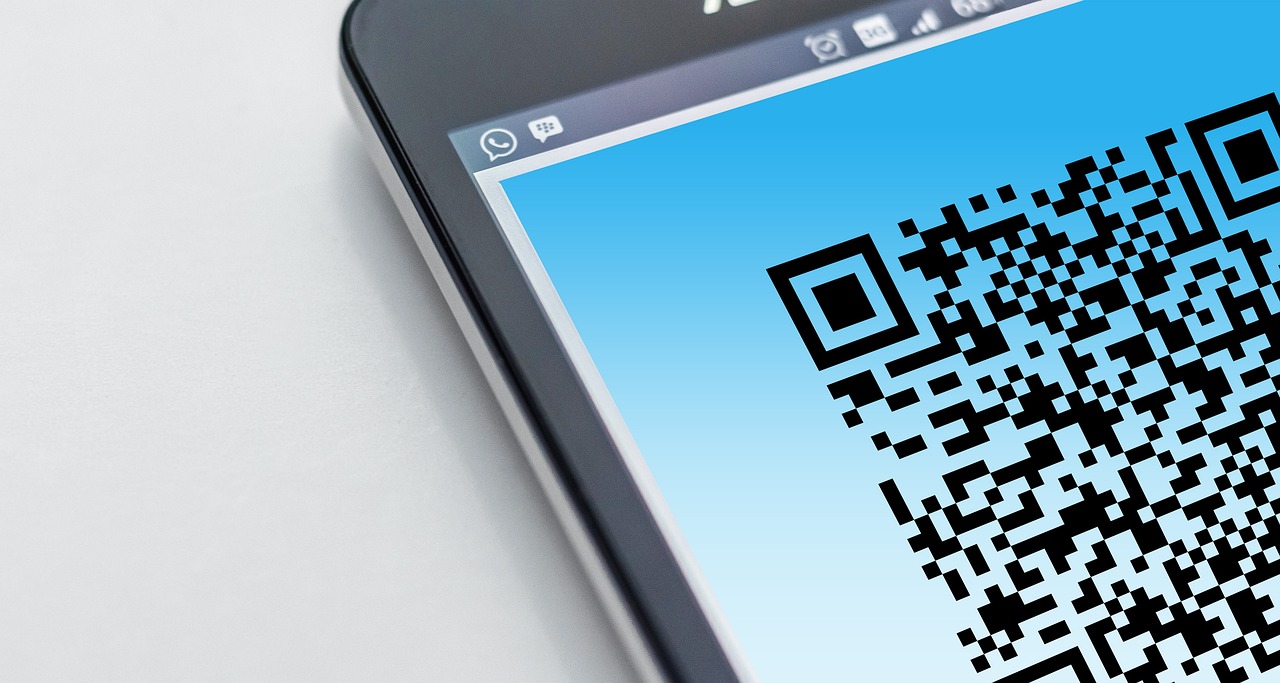
In the late 1990s, a group of engineers in Japan were tasked with a mission that would change the way we interact with technology.
They wanted to create something better than the traditional barcode, which was limited in its ability to store information.
So, they developed the Quick Response code, or QR code, a two-dimensional matrix that could hold much more data.
But here’s the twist: it took over a decade for these codes to truly catch on.
Initially, they were just a novelty, found on car parts and industrial products.
But then, in 2020, the world faced a pandemic that altered how we interact with the world around us.
Suddenly, QR codes became a lifeline for businesses desperate to connect with customers while keeping them safe.
Restaurants began using them for contactless menus, stores used them for contactless payments, and marketers realized they could link physical products to digital experiences.
The QR code, once a forgotten tool, transformed into a critical element of modern marketing strategies.
This shift not only changed consumer behavior but also redefined how we think about engagement in this digital age.
Imagine a world where a simple scan can unlock discounts, provide product information, or even lead you to immersive experiences.
With QR codes, the possibilities are endless.
So, as you go about your day, have you ever stopped to wonder what secrets a QR code might hold for you next?