The Psychology of Binge-Watching
Understanding the psychological factors that drive binge-watching, such as dopamine release and gratification delay, reveals why streaming services exploit this behavior to maximize viewer hours.
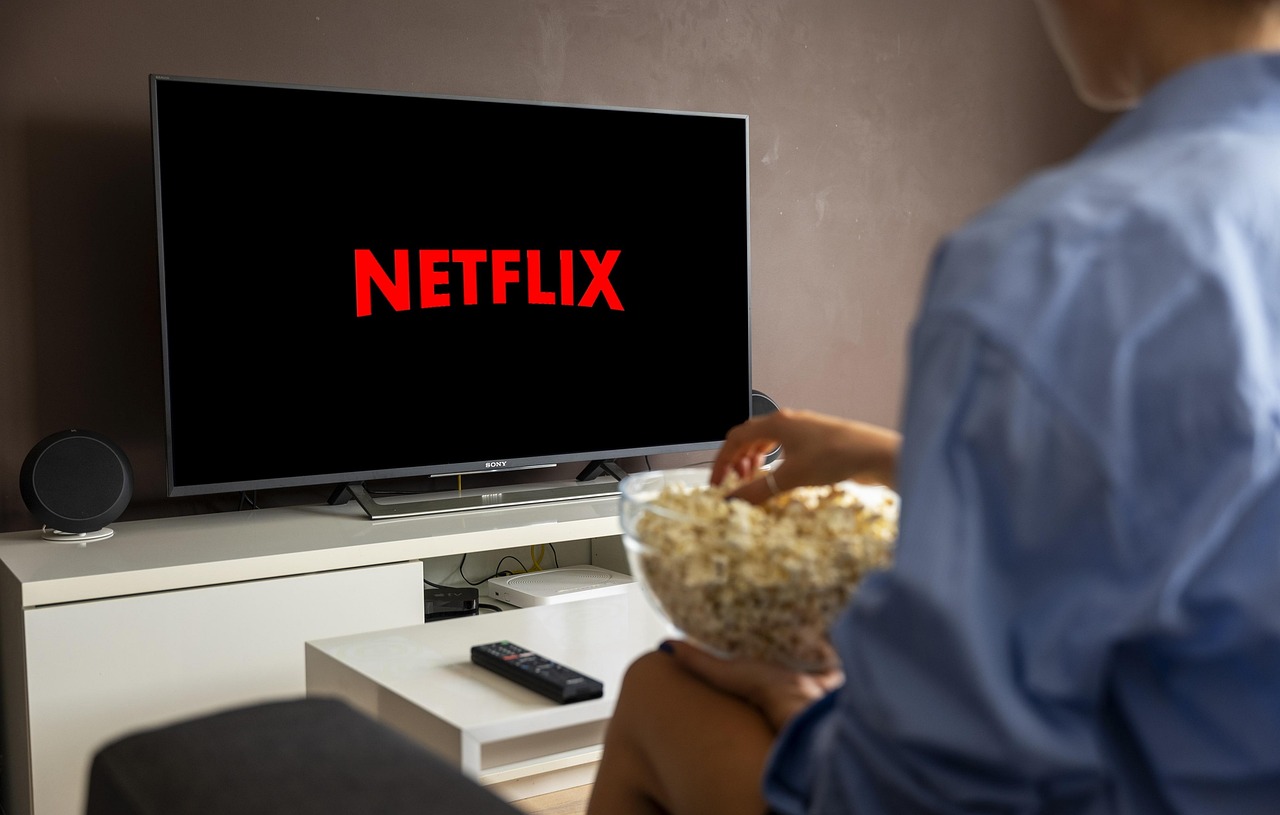
Imagine a cozy evening, the lights dimmed, and your favorite show just a click away.
Now, what if I told you that the reason you can’t stop watching isn’t just the thrilling plot twists, but a clever psychological trick?
In the early 2000s, streaming services began to realize something profound: the human brain is hardwired for instant gratification, and they were about to exploit this weakness.
As the minutes ticked away and you dive into episode after episode, your brain experiences a rush of dopamine, that feel-good chemical, rewarding you for sticking around.
But here's the kicker—this pleasure is fleeting.
The more you binge, the more you crave that instant high, leading to a cycle of watching that feels almost irresistible.
Suddenly, it’s 3 AM, and you’re halfway through a season you hadn’t even planned to start.
This phenomenon is so powerful that it led to the phrase ‘Netflix and chill,’ turning an entire culture into binge-watchers.
So, why does this matter?
Understanding this psychological pull can help us navigate our own viewing habits and recognize when we’re being led by our cravings instead of our intentions.
And as streaming services continue to innovate, just imagine what new tactics they’ll employ to keep us glued to the screen.
What if the next trend in entertainment isn’t just binge-watching, but something we haven’t even considered yet?