The Printing Press: A Catalyst for Change Beyond Books
The invention of the printing press revolutionized not just the spread of knowledge, but also the very power dynamics within society. One unexpected consequence was how it empowered emerging social classes to challenge traditional authority.
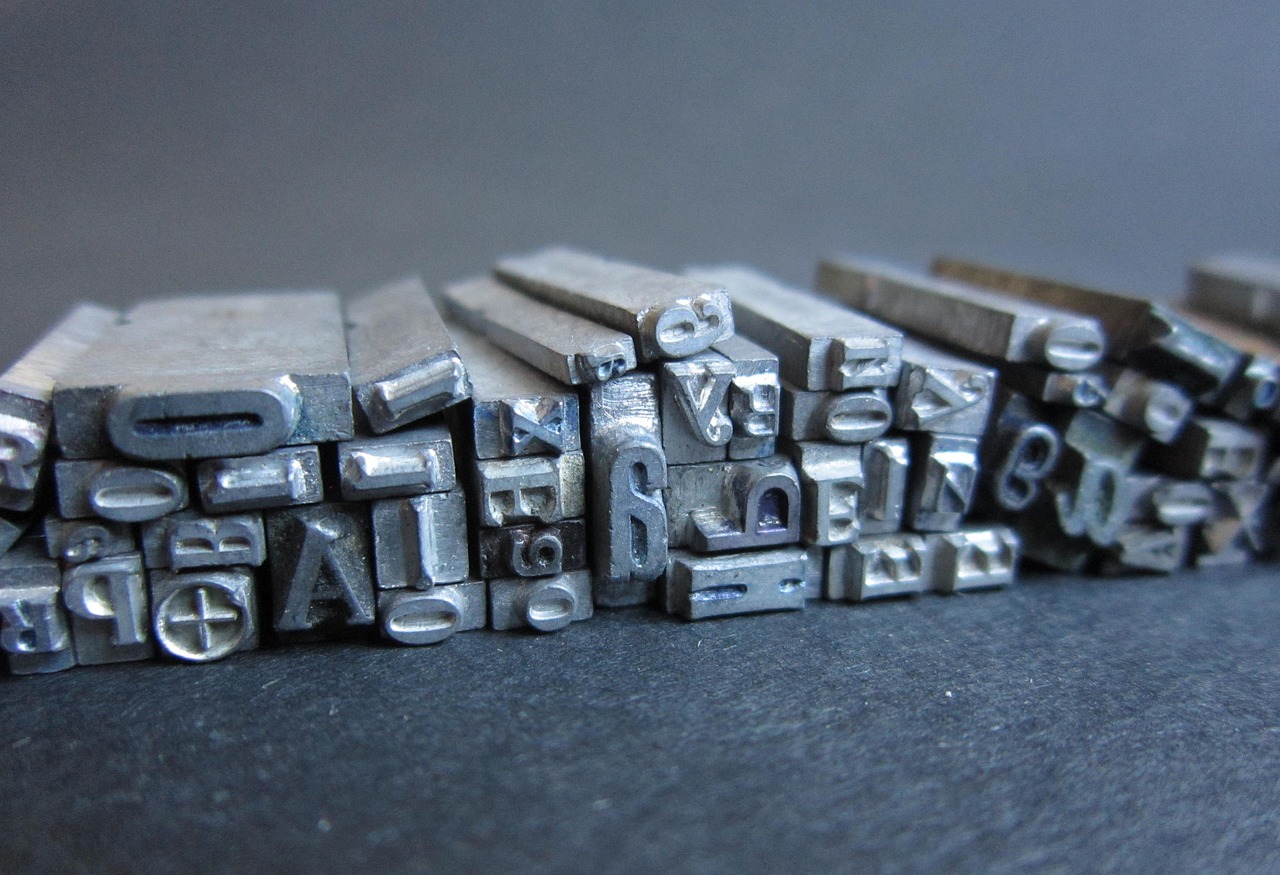
Imagine a world where knowledge was locked away in the hands of a few—where only the elite could read and interpret texts.
The printing press, invented in the mid-15th century, shattered that barrier.
Suddenly, books became more accessible, yes, but one of the most profound consequences was the empowerment of the middle class.
As pamphlets and books flooded the market, people from all walks of life began to engage with new ideas.
This wasn't just about reading; it was about questioning.
With each page turned, individuals started to challenge the status quo, the church, and even monarchies that had long held sway over them.
Think about it: the very act of reading was transformed into a tool of rebellion.
As literacy spread and the middle class gained a voice, the foundations of power began to tremble.
This shift didn't just lead to revolutions; it paved the way for modern democracy, where power is shared rather than hoarded.
The printing press didn't just change how we consume information; it redefined who gets to participate in the conversation of power.
What other unforeseen impacts did this incredible invention have on society?
The story of the printing press continues to unfold.