The Power of Three: Why Our Grids Chose Three-Phase Electricity
Have you ever wondered why our power grids primarily use three-phase electricity? This fascinating choice was influenced by a balance of efficiency, motor design, and the economics of transmission, shaping the way we live today.
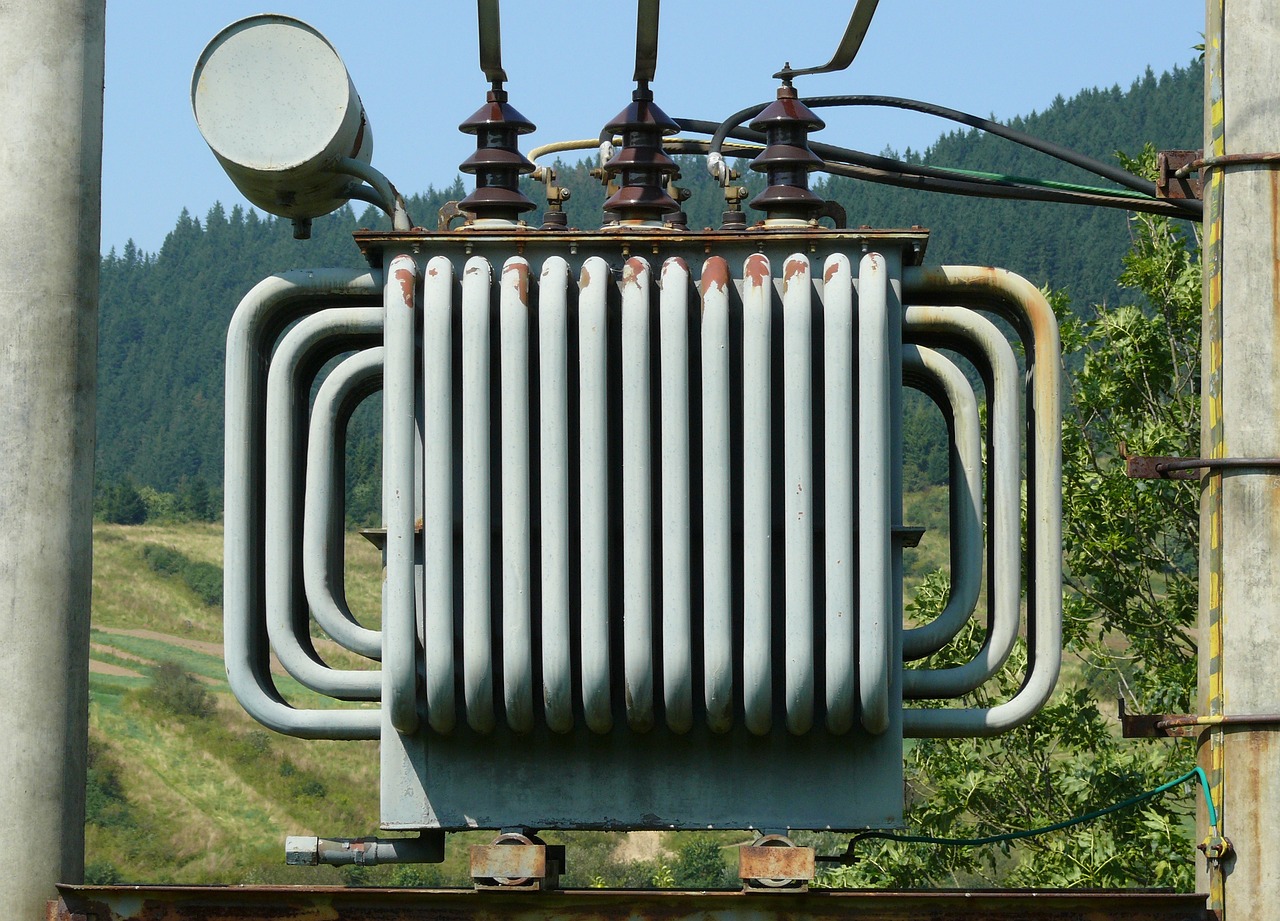
Imagine a world buzzing with energy, where the very pulse of electricity hums through our homes and streets.
But have you ever stopped to think about why our power grids settled on three-phase electricity?
It turns out, the choice wasn’t random; it was a carefully calculated decision driven by efficiency and practicality.
You see, three-phase systems can deliver more power using less conductor material than single-phase systems.
This means that when electricity travels over long distances, it does so with less energy loss, making it far more economical.
Now, consider motor design—three-phase motors are not only more compact, but they also run smoother and offer greater torque than their single-phase counterparts.
This efficiency translates into better performance in everything from factory machinery to your home appliances.
And let’s not forget the economic aspect; three-phase systems require fewer resources to maintain, which translates to lower costs for consumers.
So, when you flip that switch and light up your room, remember, it’s not just electricity flowing through the wires.
It’s a testament to years of engineering and design choices that prioritized efficiency and effectiveness.
But what if we had chosen differently?
What if five-phase systems had become the norm?
The answers might surprise you.