The Physics of Light: How Dusk Affects Perception
The interplay of light and perception during dusk not only impacts avian behavior but also parallels how artists manipulate light in painting to evoke emotion and atmosphere.
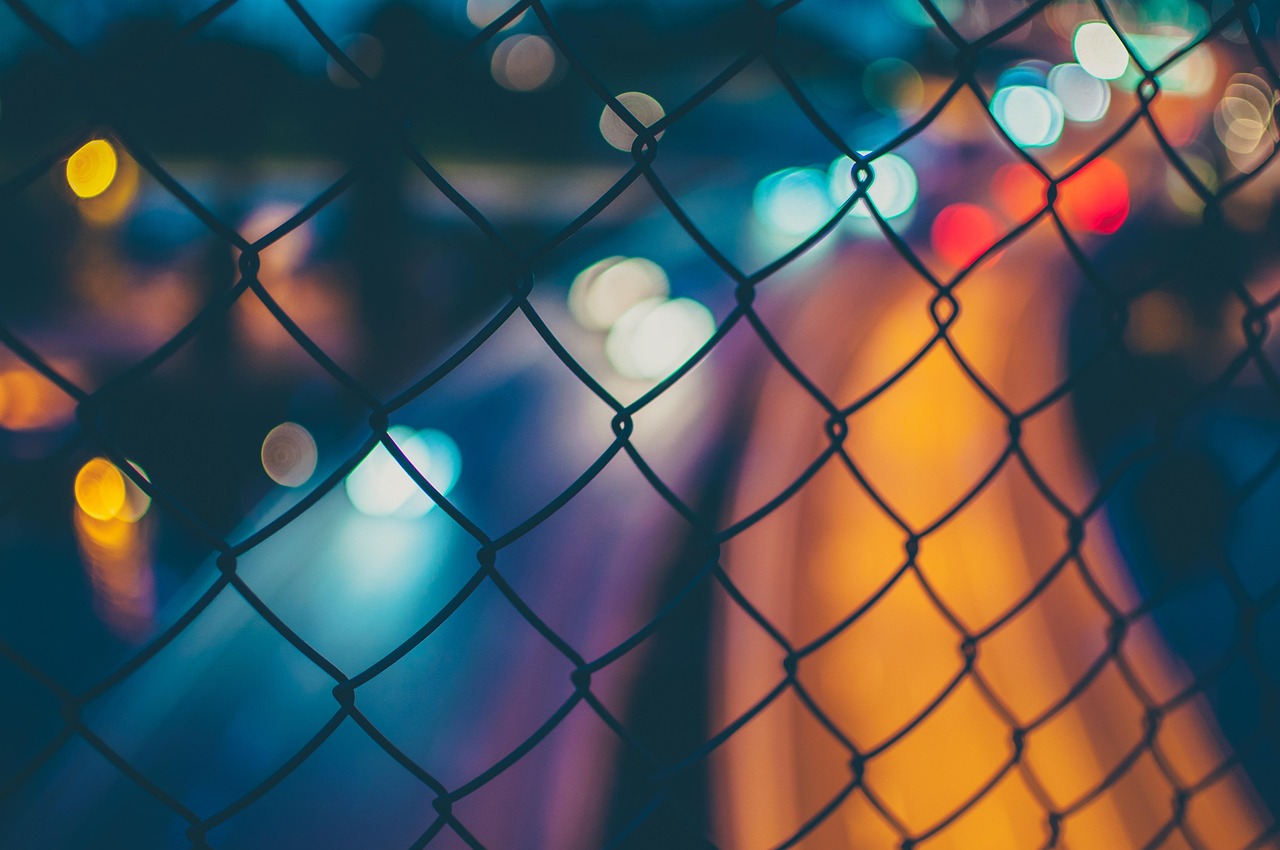
As the sun dips below the horizon, the world transforms.
Shadows stretch like dark fingers, and a cool breeze carries the scent of damp earth.
Birds, once vibrant against a blue sky, fade into silhouettes, their songs a haunting echo against the approaching night.
But here’s the twist: this twilight not only captivates nature; it manipulates our perception.
Studies show that during dusk, our brains become more attuned to subtle changes in light, enhancing contrast and depth.
Artists, too, have harnessed this fleeting magic, using soft gradients and muted hues to evoke emotion, drawing viewers into their painted realms.
This delicate dance of light and emotion reshapes how we experience the world.
What if the colors we see at dusk could unlock deeper layers of understanding in art and nature alike?
What mysteries lie hidden in the shadows as night falls?
Explore with us.