The Mystery of the Roman Pantheon
Both the Iron Pillar and the Pantheon’s dome showcase remarkable engineering, prompting a deeper look into ancient architectural innovations across cultures.
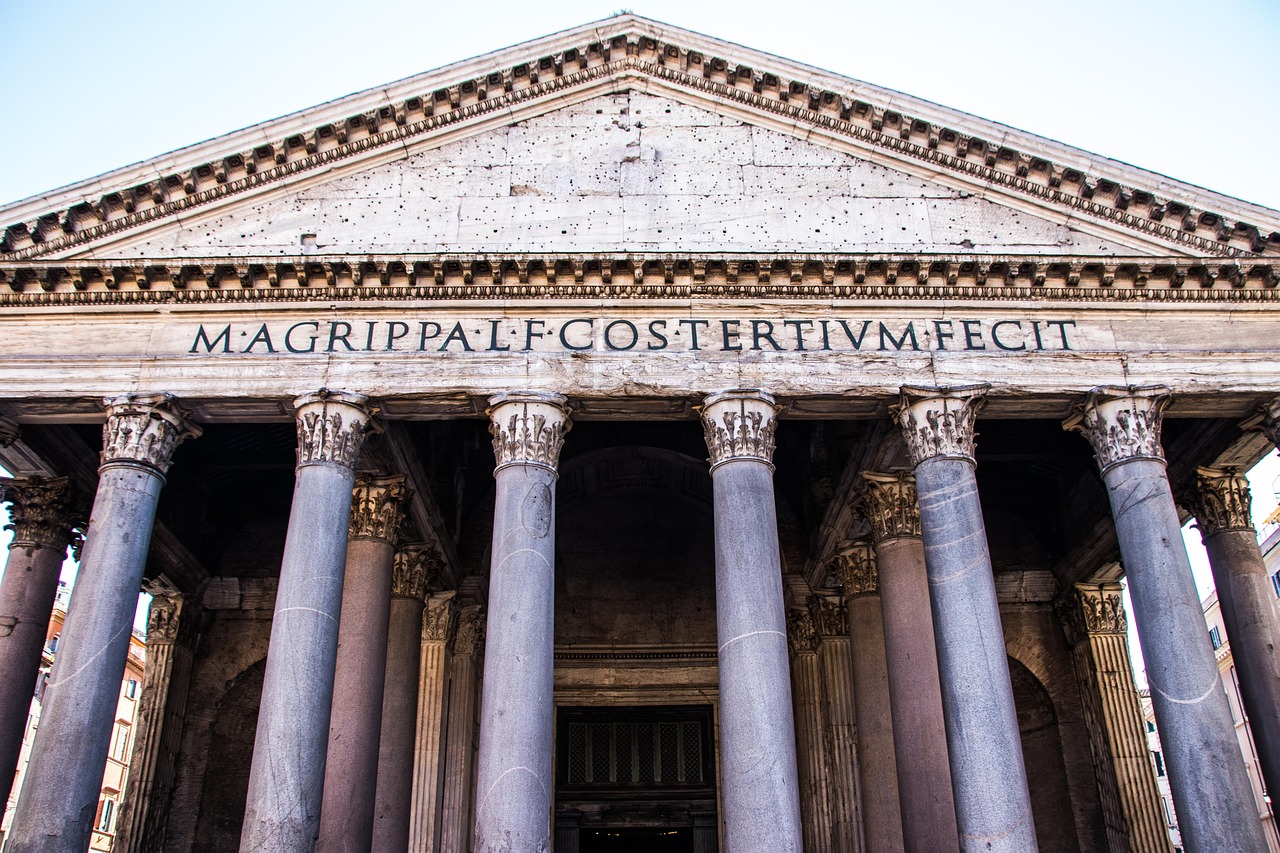
In ancient Rome, there stood a magnificent structure that has baffled architects for centuries: the Pantheon.
Built around 126 AD, this temple to the gods is famed not just for its grandeur but for its engineering marvel—a massive dome that remains the largest unreinforced concrete dome in the world.
Can you imagine the audacity of using concrete—an innovation at the time—to create such a vast, open space?
As you step inside, the light pours in through the oculus at its center, illuminating the intricate details of its design.
But here’s the twist: despite being nearly 2,000 years old, the Pantheon’s dome has survived earthquakes and the ravages of time, a feat that many modern structures could only dream of.
The secret?
A careful mix of lightweight materials and a precisely calculated design that was way ahead of its time.
This architectural wonder not only showcases the ingenuity of Roman engineering but also invites us to ponder—what else have we lost to the sands of time?
What hidden stories lie within the ruins of ancient civilizations, waiting to reveal their secrets?
Perhaps the greatest mystery isn't just how they built it, but how many more marvels like the Pantheon are still out there, undiscovered, just waiting for our curiosity to uncover them.