The Mystery of the Delhi Sultanate
The Iron Pillar is surrounded by the rise and fall of the Delhi Sultanate, revealing how political power shaped cultural artifacts.
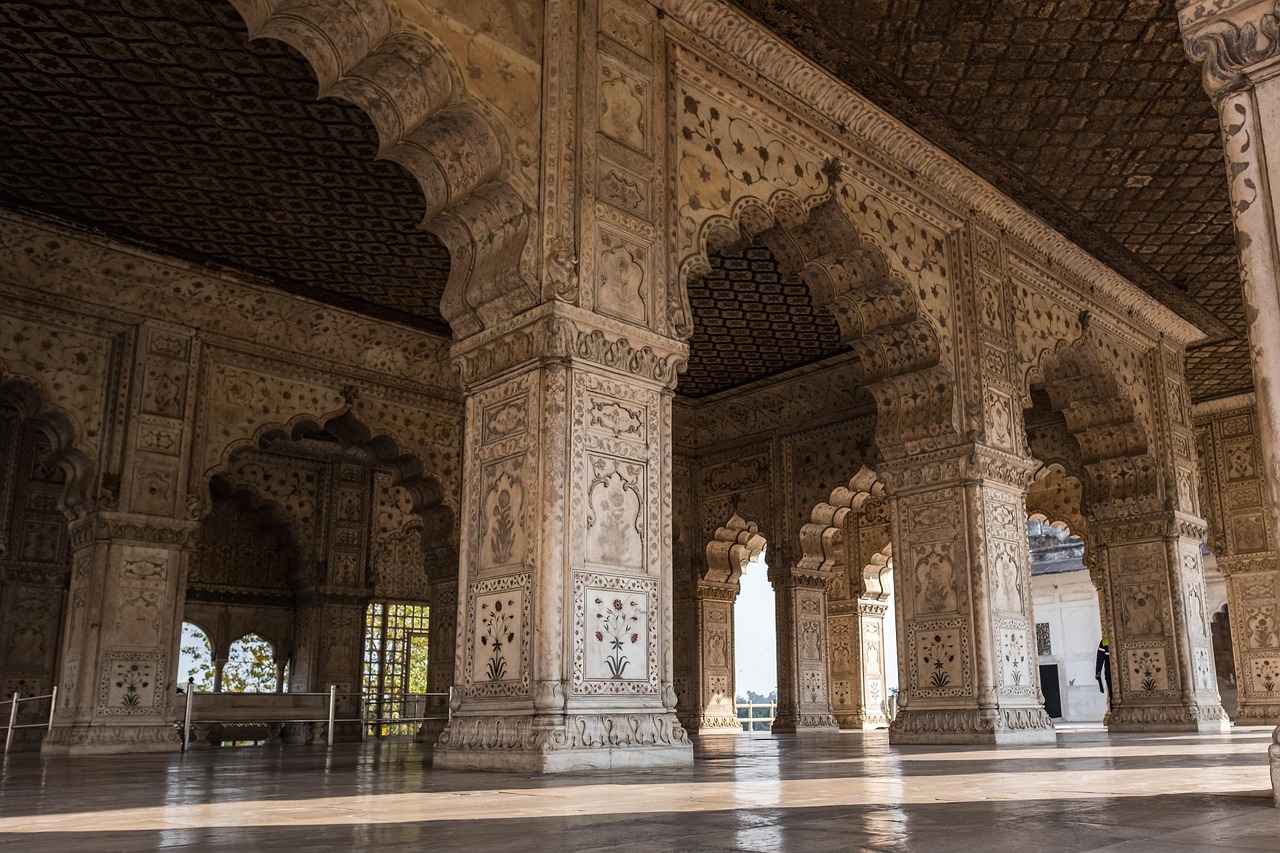
In the heart of Delhi stands a 1,600-year-old Iron Pillar, a monument that has baffled scientists and historians alike.
You might think it’s just a rusty relic, but this ancient pillar tells a hidden story of resilience and ingenuity.
Crafted during the Gupta Empire, it once stood in the court of a flourishing kingdom, only to be later embraced by the Delhi Sultanate when it rose to power.
As dynasties changed, so did the meanings behind this impressive structure.
What’s truly astonishing is that this pillar has resisted corrosion for centuries, despite its iron composition.
Modern scientists have discovered that it’s coated with a layer of natural protective rust, a phenomenon that was not fully understood until recently.
This discovery reveals not only the advanced metallurgical skills of ancient Indian artisans but also the significance of this pillar as a symbol of unity across different cultures and rulers.
The insight here is that this seemingly ordinary pillar reflects the complex interplay of power, culture, and technology in India’s history.
It stands as a testament to the innovative spirit that transcended time, even as empires rose and fell around it.
So, as you marvel at this ancient wonder, consider how artifacts like the Iron Pillar are not just relics, but storytellers of human achievement and adaptability.
What other hidden stories might be lurking in the shadows of our history, waiting to be uncovered?