The Mysterious Demise of the Library of Alexandria
The Library of Alexandria is often romanticized as a beacon of ancient knowledge, but its destruction was a slow, tragic unraveling. This fascinating story reveals how a combination of political strife, war, and neglect led to the loss of countless texts and ideas.
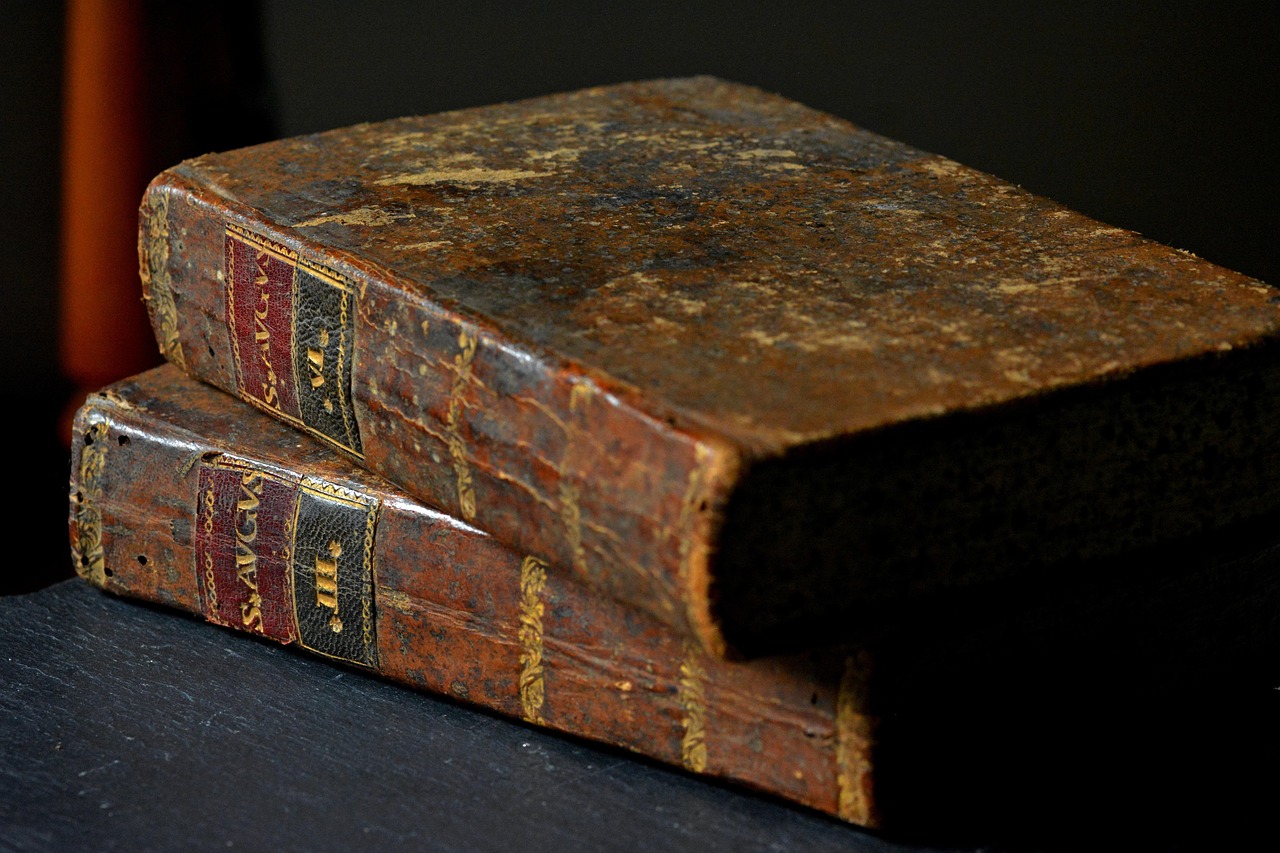
Imagine a place filled with scrolls, a sanctuary of knowledge where the greatest minds of the ancient world converged.
The Library of Alexandria, founded in the third century BC, was not just a repository of books; it was a cultural hub.
But this icon of wisdom didn't fall in a single cataclysmic event.
Its destruction was a gradual process, influenced by the tumultuous tides of history.
Over the centuries, wars swept through Alexandria, with each conflict leaving its mark.
The first significant blow came in 48 BC, when Julius Caesar set fire to the ships in the harbor, unintentionally igniting a portion of the library.
But this was just the beginning.
As the Roman Empire shifted and the city faced internal strife, neglect took hold.
Many scholars fled, taking their knowledge with them, and the scrolls that remained were often left unprotected.
By the time the library faced the rise of Christianity, the shifting cultural landscape further marginalized its significance.
The final blows came in the 3rd and 4th centuries AD, as religious tensions led to further destruction.
What was once a beacon of enlightenment became a shadow of its former self, scattered like ashes in the wind.
Yet, what if I told you that many of the ideas that flourished in Alexandria still resonate today, hidden in the whispers of modern scholarship?
The story of the library may have ended, but its legacy continues to inspire curiosity and exploration.