The Marvel of Floating Ice: Nature's Life-Saving Anomaly
Have you ever wondered why ice floats on water? This intriguing property is not just a curious fact; it plays a crucial role in sustaining life on Earth.
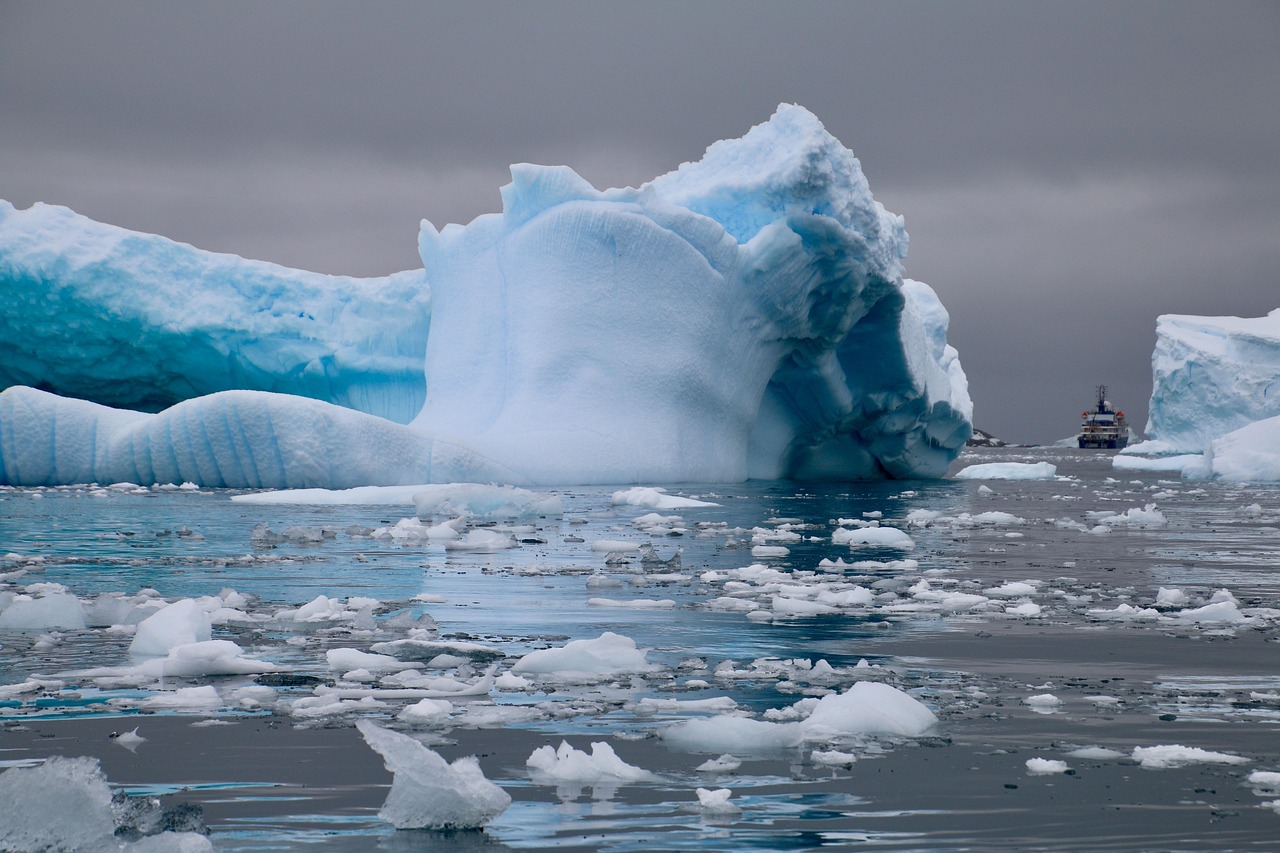
Imagine a world where ice sank to the bottom of lakes and oceans, rather than floating serenely on the surface.
Sounds strange, right?
But this is exactly what makes our planet uniquely habitable.
You see, water is made up of molecules that behave in a fascinating way.
When water freezes, its molecules arrange themselves in a crystalline structure, which is less dense than the liquid form.
This density difference is why ice floats.
If ice sank, it would layer on the bottom of bodies of water, trapping fish and other aquatic life beneath a thick, solid cover, making survival nearly impossible.
Instead, when ice forms on lakes and rivers, it creates an insulating barrier.
This keeps the water below from freezing solid, allowing life to thrive even in the coldest conditions.
And just think, without this remarkable trait, ecosystems as we know them would be drastically different, possibly even non-existent.
So next time you see a frozen lake, take a moment to appreciate the delicate balance of nature that keeps our world alive.
What other surprising properties of water might be hiding in plain sight?