The Maratha Resistance: Guerrilla Warfare Against the Mughals
The Maratha Empire's innovative guerrilla tactics significantly challenged the Mughal Empire's dominance in India. By utilizing mobility, local knowledge, and surprise attacks, the Marathas turned traditional warfare on its head.
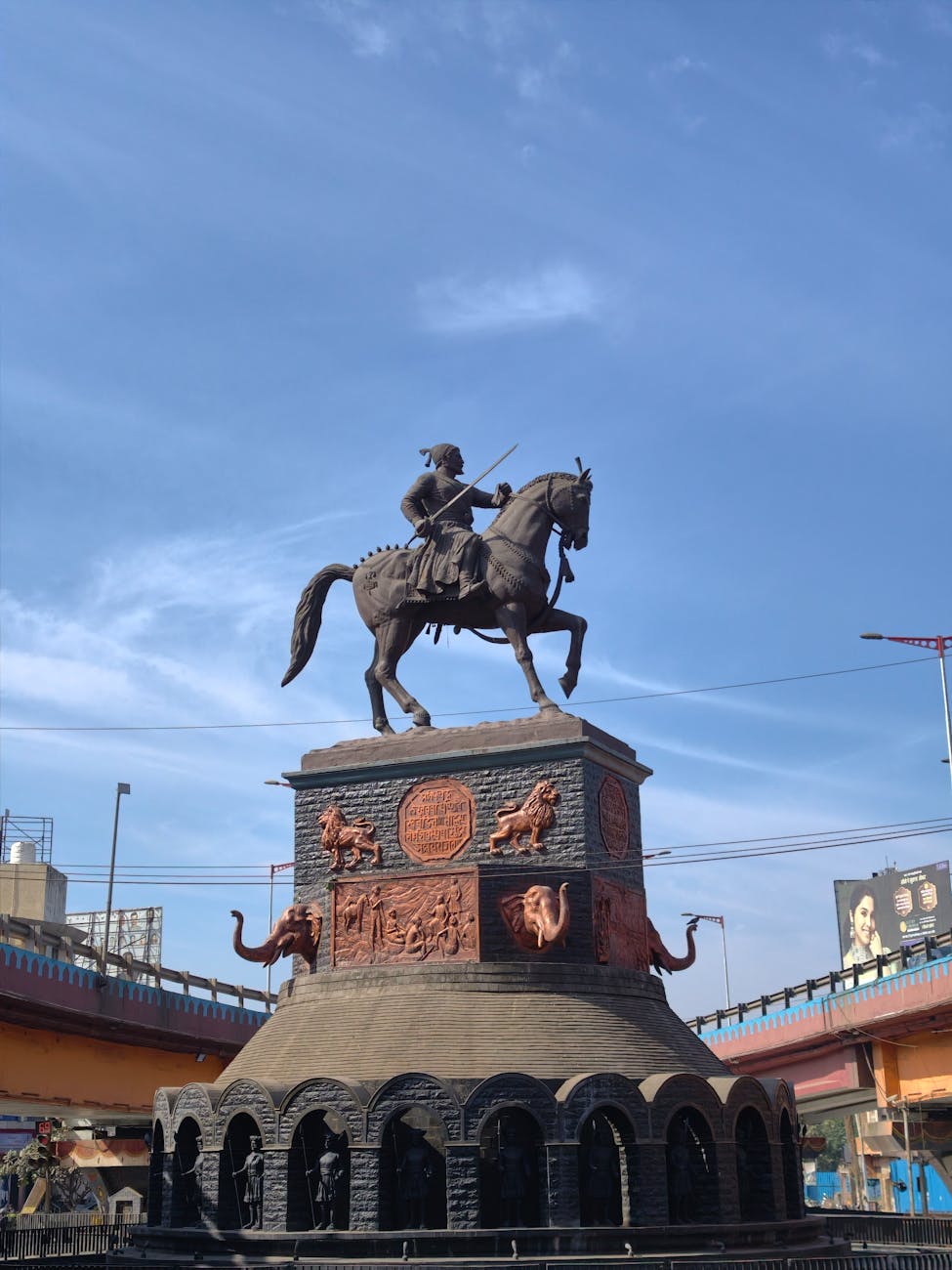
Imagine a time when the Mughal Empire was at its height, stretching across vast territories in India.
Yet, amidst this grandeur, a resilient force emerged—the Marathas.
They were not just soldiers; they were masters of guerrilla warfare.
Rather than facing the Mughal armies head-on in grand battles, the Marathas employed hit-and-run tactics, striking swiftly and retreating into the dense forests and rugged mountains.
This knowledge of their homeland gave them a strategic advantage.
They would target supply lines or ambush isolated Mughal detachments, disrupting the enemy's plans and morale.
One of their most famous leaders, Shivaji Maharaj, understood the importance of mobility and surprise, which allowed the Marathas to outmaneuver larger forces.
The Mughal army, with its traditional formations and heavy cavalry, struggled to adapt to these unpredictable attacks.
The Marathas didn’t just challenge their foes physically but also psychologically, instilling fear and uncertainty among the Mughal ranks.
As we reflect on this dynamic, it’s fascinating to consider how these tactics reshaped not only the battlefield but the very fabric of Indian history.
What if we delved deeper into how these strategies influenced future conflicts in the region?