The Magic of Instant Photography: The Polaroid Revolution
Ever wondered how a simple click could bring a photo to life in mere minutes? The Polaroid camera changed the game for photography, allowing us to capture and share moments instantly. Let’s dive into the science behind this fascinating innovation.
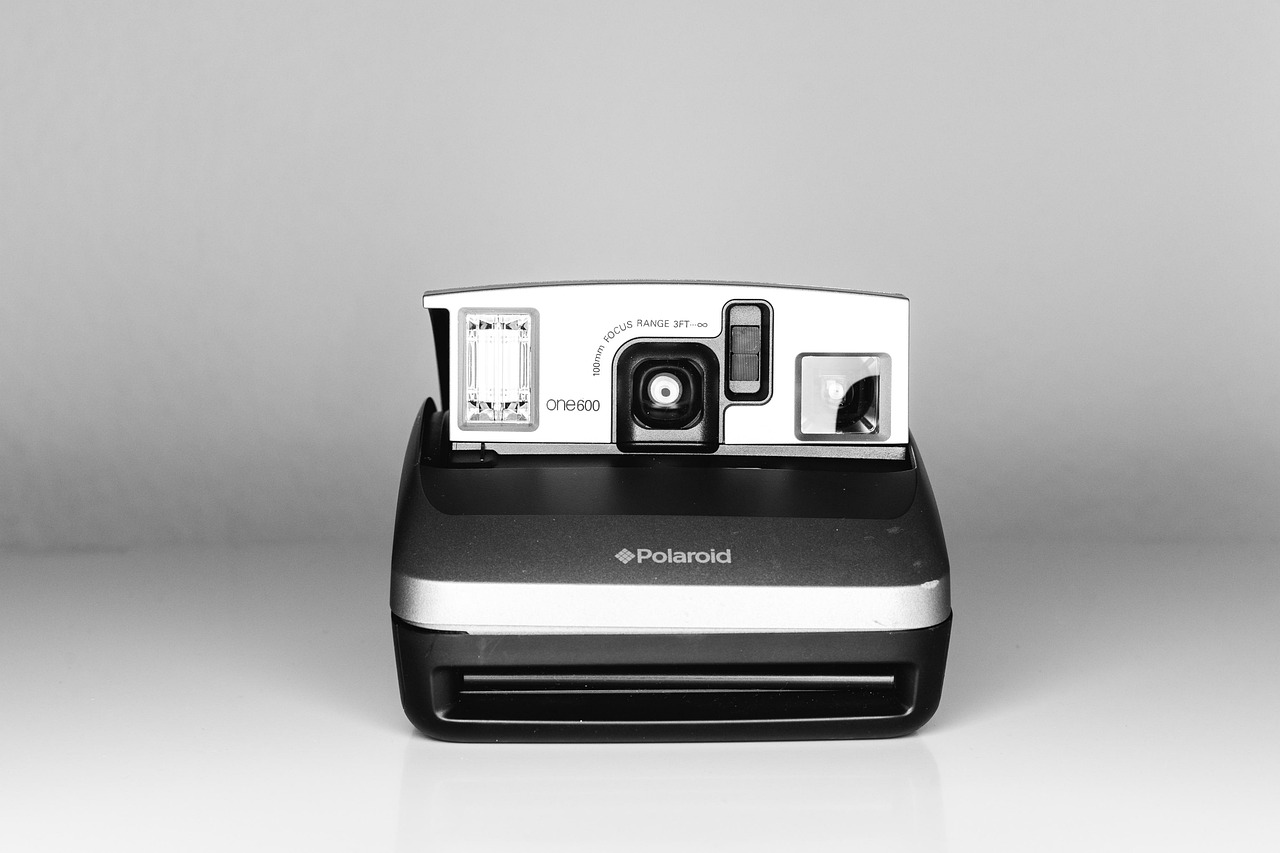
Imagine holding a camera that doesn’t just capture a moment but gives you a physical photo in seconds.
That’s what the Polaroid camera made possible when it burst onto the scene in the 1940s.
The genius behind this invention lies in its unique chemical process.
Unlike traditional photography, where developing requires time and a darkroom, Polaroid’s instant film uses a special coating of chemicals layered between the film and paper.
When you snap a picture, light hits the film and starts a reaction that develops the image right before your eyes.
It’s like watching magic unfold!
As the photo slides out of the camera, it goes through a series of chemical reactions that reveal the image in vivid colors.
This immediate gratification transformed how we view and share our memories.
No longer did we have to wait days to see what we captured; now, we could hold our memories in our hands almost instantly.
The Polaroid camera not only made photography more accessible but also changed the way we think about moments, making every snapshot a tangible piece of time.
Imagine the excitement of seeing a photo develop right in front of you!
And as technology has evolved, the essence of that instant joy continues to inspire modern photography.
What other innovations have changed how we capture the world around us?
That’s a story waiting to be told.