The Kashmir Conflict's Origins
Understanding the early decisions made by princely states like Jammu and Kashmir provides crucial context to one of the longest-running territorial disputes in modern history.
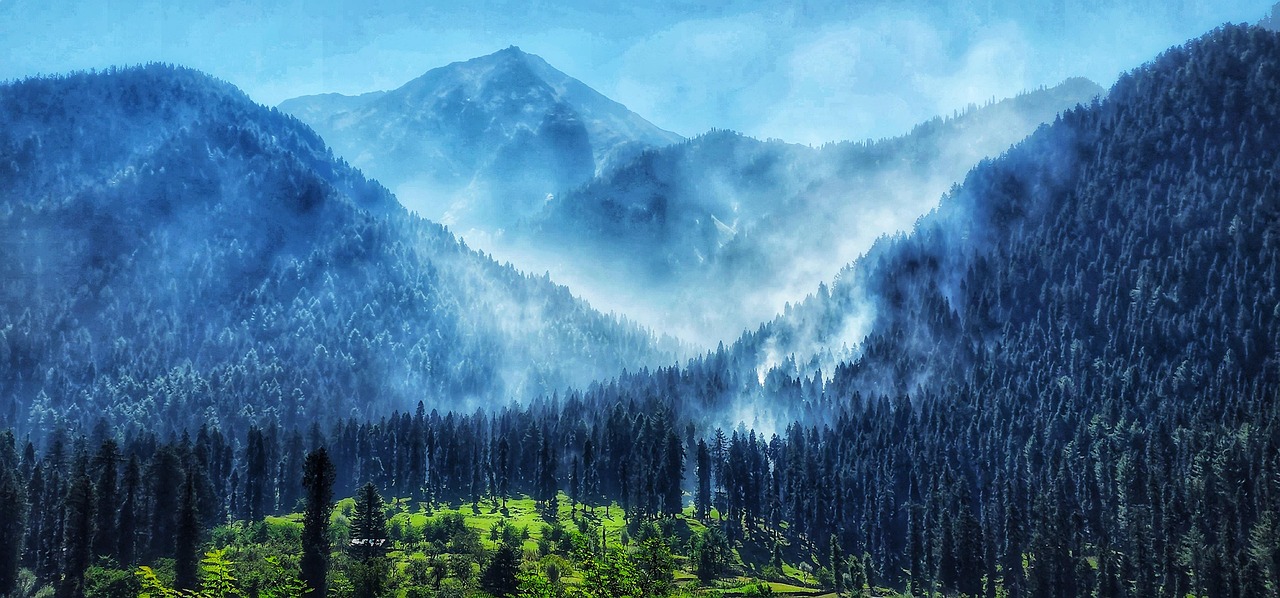
In 1947, as the British Empire was unraveling, a princely state nestled in the Himalayas was about to become the stage for a conflict that still echoes today.
Jammu and Kashmir, ruled by Maharaja Hari Singh, faced a monumental decision: join India, Pakistan, or remain independent.
With a population largely Muslim and a deep cultural connection to Pakistan, the choice seemed straightforward.
But when tribal militias from Pakistan invaded, the Maharaja found himself cornered, wrestling with a dire dilemma.
In a moment of desperation, he signed the Instrument of Accession to India, a move that would ignite decades of turmoil.
This decision was not merely political; it was a gamble that altered the fate of millions.
What’s fascinating is that this choice was made in the midst of chaos, with no clear guidance or foresight of the consequences.
The twist?
This single decision, made in a matter of days, set off a chain reaction that has led to three wars and countless skirmishes, all rooted in a desire for self-determination.
It begs the question: how much power do leaders have over the destinies of their people?
As we reflect on this, it’s hard not to wonder how many other pivotal moments in history were shaped by such precarious choices.
What other decisions were made in the shadows of conflict that changed the world forever?