The James Webb Space Telescope
The James Webb Space Telescope, launched in December 2021, promises to revolutionize our understanding of the early universe, star formation, and the atmospheres of exoplanets through its advanced inf
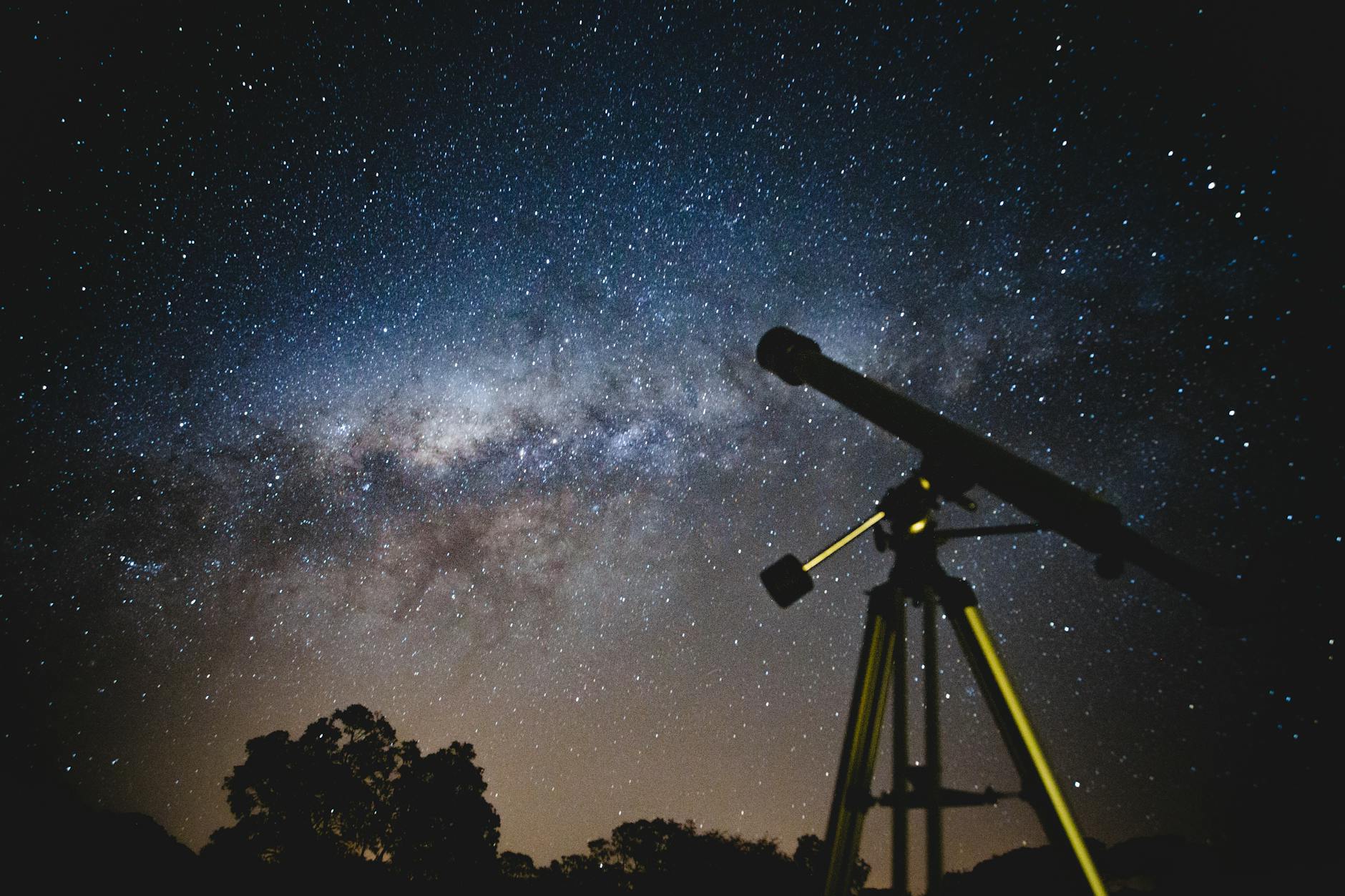
Have you ever wondered what secrets lie beyond our solar system?
The James Webb Space Telescope, often referred to as JWST, is poised to answer questions we have yet to even think of.
Launched in December 2021, this marvel of modern engineering is not just another telescope; it’s a time machine that allows us to look back over 13 billion years into the distant past.
Imagine peering into the very moments when stars and galaxies were born!
Unlike its predecessor, the Hubble Space Telescope, Webb is equipped with a larger mirror and operates in the infrared spectrum.
This means it can detect heat emissions from cosmic objects, revealing phenomena that are invisible to traditional optical telescopes.
With its powerful instruments, JWST promises to explore the atmospheres of exoplanets, searching for signs of habitability and even life beyond Earth.
By examining the chemical compositions of these distant worlds, we can uncover the building blocks of life and gain insight into the conditions necessary for it to thrive.
Furthermore, JWST will investigate the formation of stars and galaxies, shedding light on how our universe has evolved over time.
As it begins to send back data, scientists are eager to analyze the findings, which are expected to challenge our current understanding of astrophysics.
The implications of this research could be monumental, potentially rewriting textbooks and altering our place in the cosmos.
So, what new discoveries will the James Webb Space Telescope bring to light?
Stay tuned, as the universe has many more secrets to unveil, and JWST is just getting started.