The Invention of the Lockpick
Understanding the history of lockpicking reveals the clever tools and techniques used by escape artists, connecting to the ingenuity displayed in Alcatraz's escape.
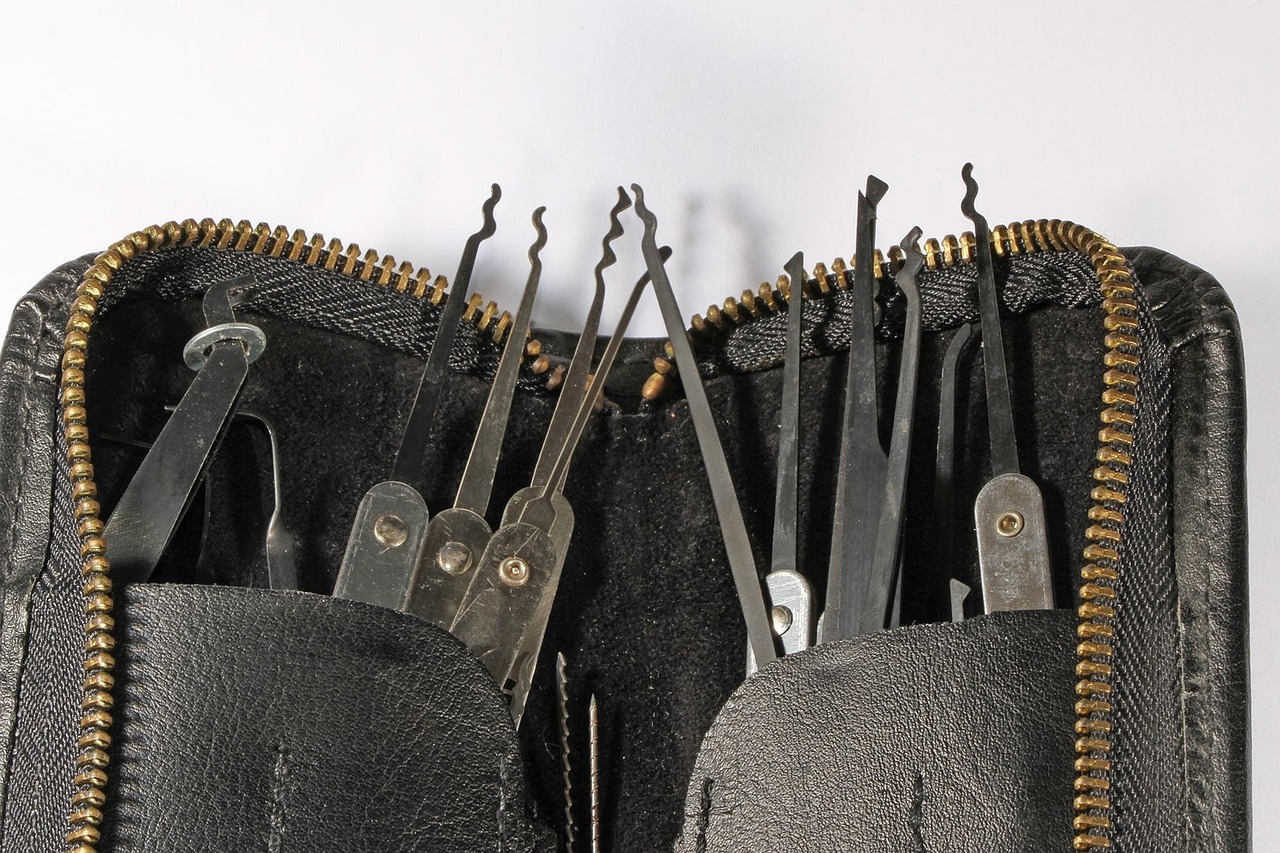
In the shadows of history, amidst the clinking of chains and the rattling of bars, there lies a curious story about a tool that has both protected and betrayed: the lockpick.
Picture this: in the early 19th century, a notorious figure named John Henry, an escape artist, became famous for his audacious breakouts from the most secure prisons.
But what most people don’t realize is that the art of lockpicking dates back even further, to ancient China, where clever minds crafted the first lockpicks to outsmart their own intricate locking mechanisms.
Fast forward to the infamous Alcatraz escape in 1962, when three prisoners meticulously fashioned their own lockpicks from scrap metal, exploiting the very ingenuity that had been developed over millennia.
The twist?
Lockpicking wasn't just about escape; it was a testament to human creativity and resilience in the face of confinement.
This juxtaposition of security and vulnerability highlights a fascinating truth: while locks are designed to keep people in, they also inspire others to find their way out.
Understanding this duality of invention leads us to ponder how often creativity arises from the constraints we face.
What other ingenious tools have been born out of necessity?
Perhaps the next story could reveal an equally surprising twist in history's unfolding tale.