The Ingenious Locks of the Panama Canal: Engineering Meets Strategy
Ever wondered why the Panama Canal relies on a lock system rather than a sea-level design? This engineering choice was not just about overcoming geographic challenges but also reshaped global shipping and geopolitical dynamics in profound ways.
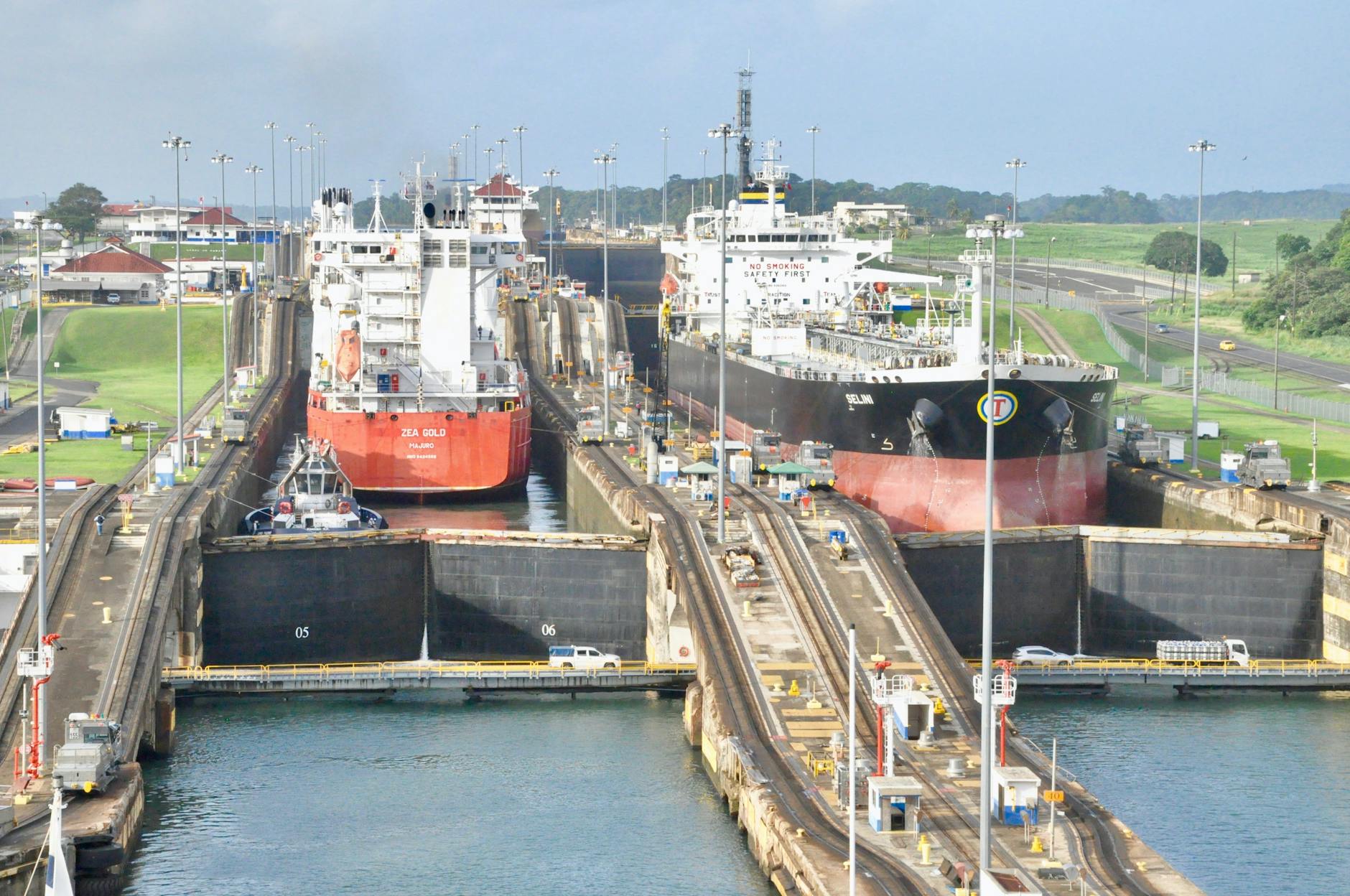
Imagine standing at the edge of a vast stretch of water, where ships glide smoothly between oceans, yet they must rise and fall as if navigating a giant staircase.
That’s the essence of the Panama Canal’s lock system.
When engineers designed this remarkable feat of infrastructure, they faced a daunting challenge: the terrain was anything but flat.
The area’s elevation and the presence of the formidable Gatun Lake posed significant obstacles.
A sea-level canal would have required extensive excavation and posed risks of flooding, not to mention the engineering nightmare of managing water flow.
Instead, by employing a lock system, they created chambers that lift ships up to Gatun Lake’s height, then lower them back down on the other side, allowing safe passage through the isthmus.
This ingenious compromise not only made the canal feasible but also revolutionized global trade.
Ships could now travel between the Atlantic and Pacific Oceans in a fraction of the time it once took, drastically reducing shipping costs and reshaping economic landscapes.
Nations realized that controlling this passage meant power, leading to strategic maneuvering and alliances that rippled through world politics.
The lock system is more than just an engineering marvel; it’s a testament to how a single design choice can alter the course of history and influence global dynamics.
What other engineering choices have shaped our world in unexpected ways?
That’s a story waiting to be told.