The Ingenious Design of USB: Powering Data and Devices
Have you ever wondered why the USB standard was designed to transmit both power and data? This clever decision not only simplified our connectivity but also paved the way for the elimination of countless proprietary chargers and ports.
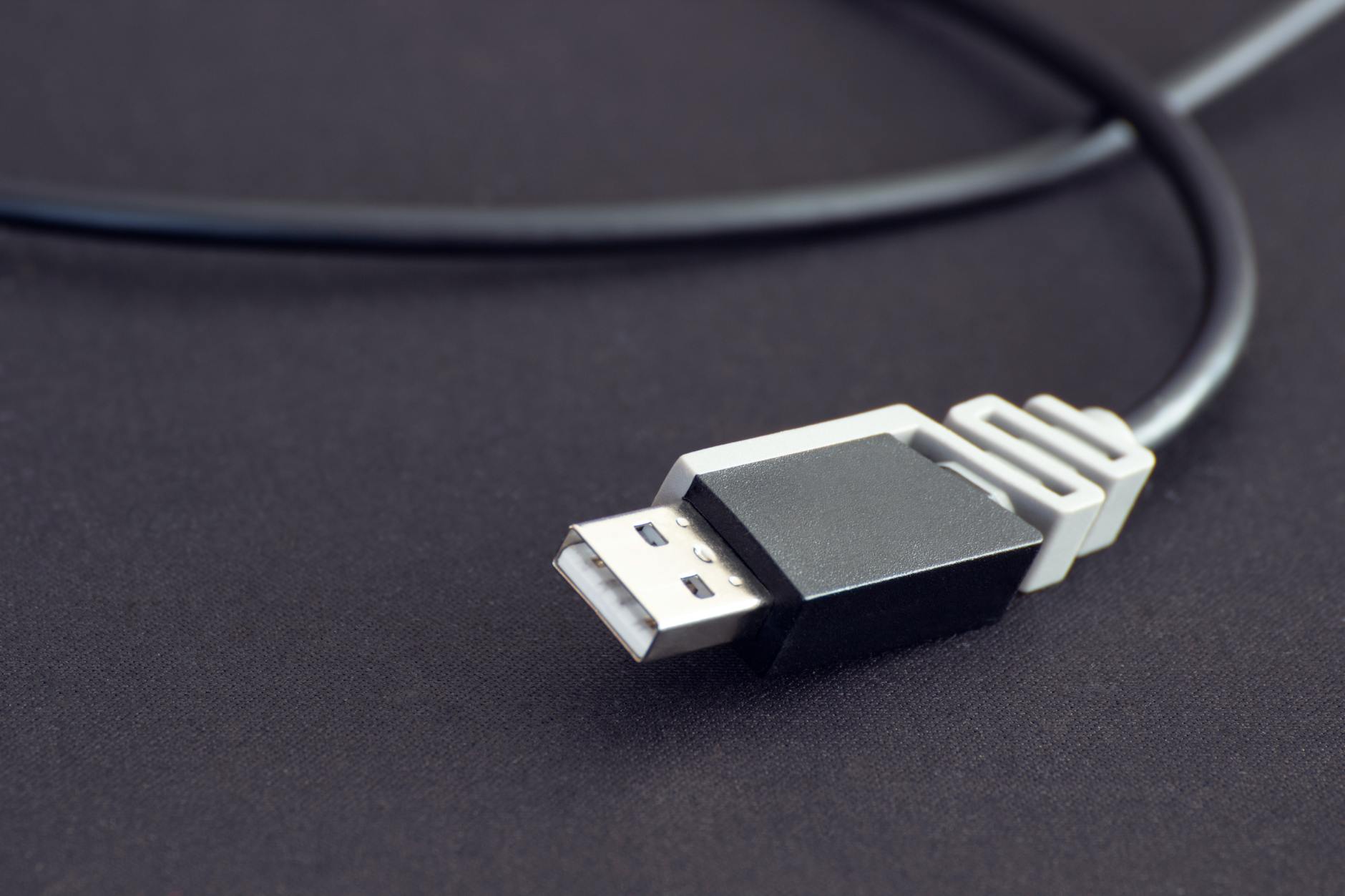
Imagine a world filled with a tangled mess of chargers, each one unique to its device.
Before USB, that was a reality, but then came a design revolution.
The USB standard was ingeniously crafted to handle both data transfer and power supply through a single cable.
This meant that your computer could not only communicate with your external devices but also charge them at the same time.
Think about the beauty of that simplicity!
By adopting this unified approach, manufacturers had to rethink their designs.
Gone were the days of needing a different charger for every device.
Now, one USB cable could do it all, leading to a massive reduction in the clutter of proprietary chargers.
This not only made life easier for consumers, who could travel lighter and keep their tech more organized, but it also pushed manufacturers towards a common standard that fostered innovation.
The ripple effects of this decision were profound, as it encouraged the development of various devices that could utilize the same charging and data transfer method, ultimately creating a more streamlined tech ecosystem.
So next time you plug in your phone, think about that moment of clarity when everything changed.
What other innovations could arise from such thoughtful design?