The Embossed Legacy: How Old School Payment Methods Shape Today’s Digital Transactions
Ever wondered why credit cards once featured those raised numbers and carbon copy slips? These early adaptations were not just quirks of design; they laid the groundwork for payment security and verification methods we still rely on today.
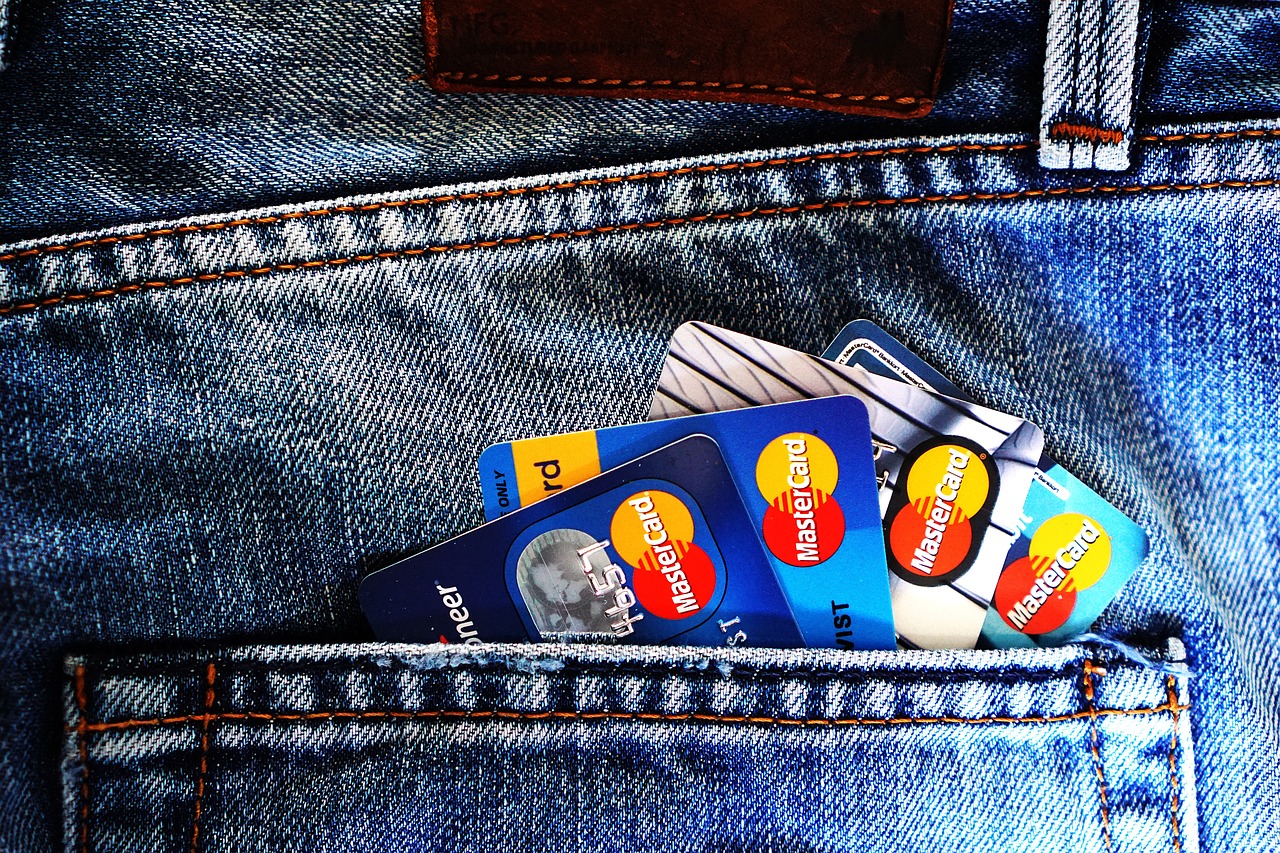
Imagine a world where credit cards didn’t exist as sleek gadgets in your wallet.
Back in the early days of the credit card industry, businesses faced a challenge: how to authenticate and process payments securely.
The solution?
Embossed numbers.
Those raised digits weren’t just for show; they were designed for mechanical card readers that could imprint the numbers onto carbon copy slips.
This ingenious workaround allowed merchants to keep a physical record of the transaction, which was essential for both tracking and security.
Fast forward to today, and while we’ve traded carbon slips for digital screens, the essence of that system remains.
When you tap your card or enter your details online, your information is still being authenticated in ways that echo those early mechanical methods.
Each time you make a purchase, layers of security check your details against a digital ledger, reminiscent of the way those carbon copies were cross-verified.
So, the next time you swipe your card or buy something with your phone, remember that you’re part of a legacy that started with simple, yet effective, mechanics.
Isn’t it fascinating how history continues to shape our present and future?