The Day Steve Jobs Was Fired: A Turning Point for Apple
In 1985, Steve Jobs faced one of the biggest setbacks of his career when he was fired from Apple. This pivotal moment not only changed the trajectory of Jobs' life but also laid the groundwork for a remarkable resurgence of Apple Inc. that we still witness today.
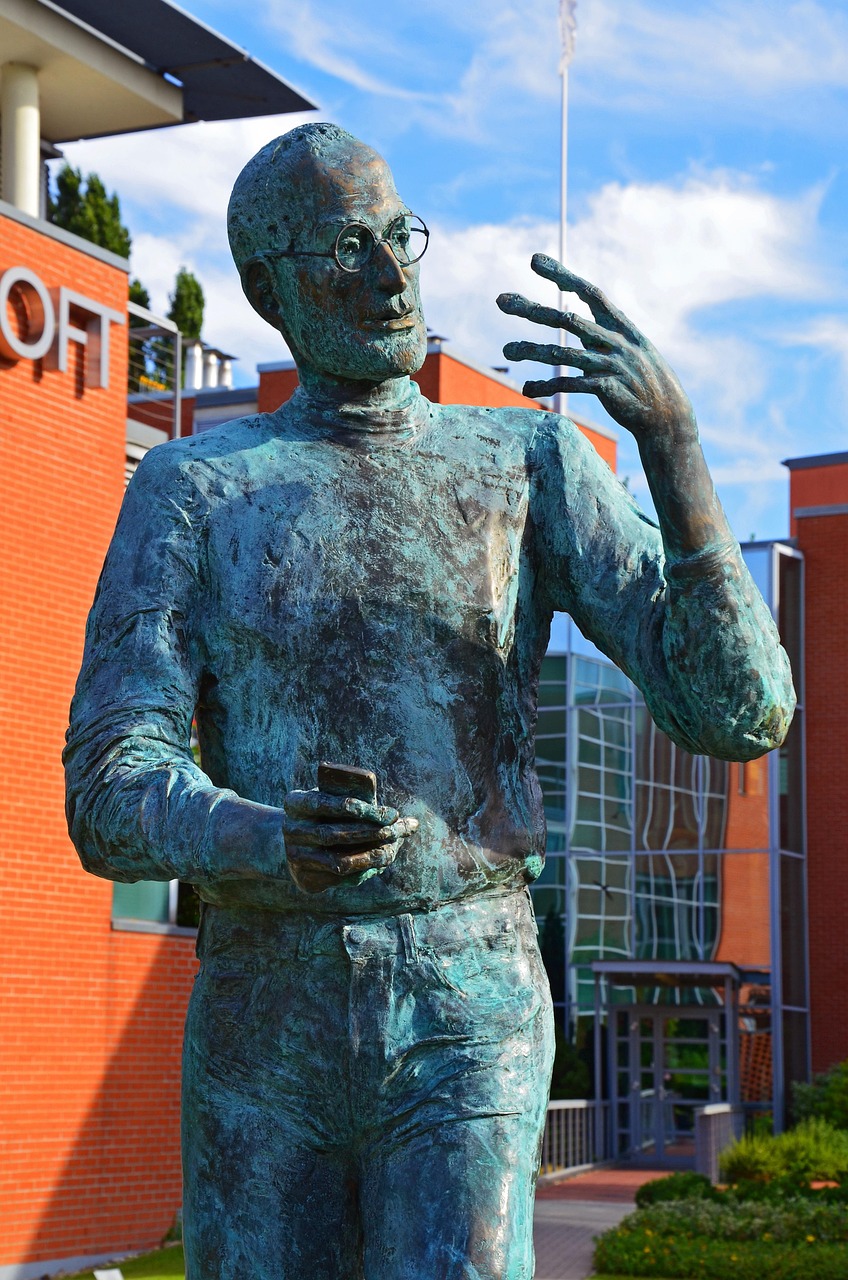
Imagine being at the pinnacle of your career, only to suddenly find yourself ousted from the very company you founded.
That's exactly what happened to Steve Jobs in 1985.
After a power struggle with Apple's board and then-CEO John Sculley, Jobs was forced out, leaving many to wonder how this would impact the future of the tech giant.
At first, it seemed like a catastrophic blow, not just for Jobs, but for Apple itself.
Yet, this rejection sparked a transformation.
Jobs went on to create NeXT, a computer platform development company that ultimately shaped his vision of innovation.
Meanwhile, Apple, without its visionary leader, struggled and faced declining sales.
Years later, when Apple acquired NeXT, Jobs returned, bringing with him a renewed sense of creativity and a fresh perspective.
His return marked the beginning of an incredible revival, leading to iconic products like the iMac, iPod, and ultimately the iPhone.
This saga teaches us that rejection can sometimes be a catalyst for growth and innovation.
What if Jobs hadn’t been fired?
Would Apple have transformed in the same way?
That’s a question worth pondering as we explore the intricate dance of failure and success in the business world.