The Clock That Almost Went Decimal: A Revolutionary Time Tale
Have you ever wondered how close we came to a decimal clock? During the French Revolution, the metric system not only aimed to standardize measurements but also sought to revolutionize time itself. Let's journey back to a time when hours could have been divided into tenths instead of sixties.
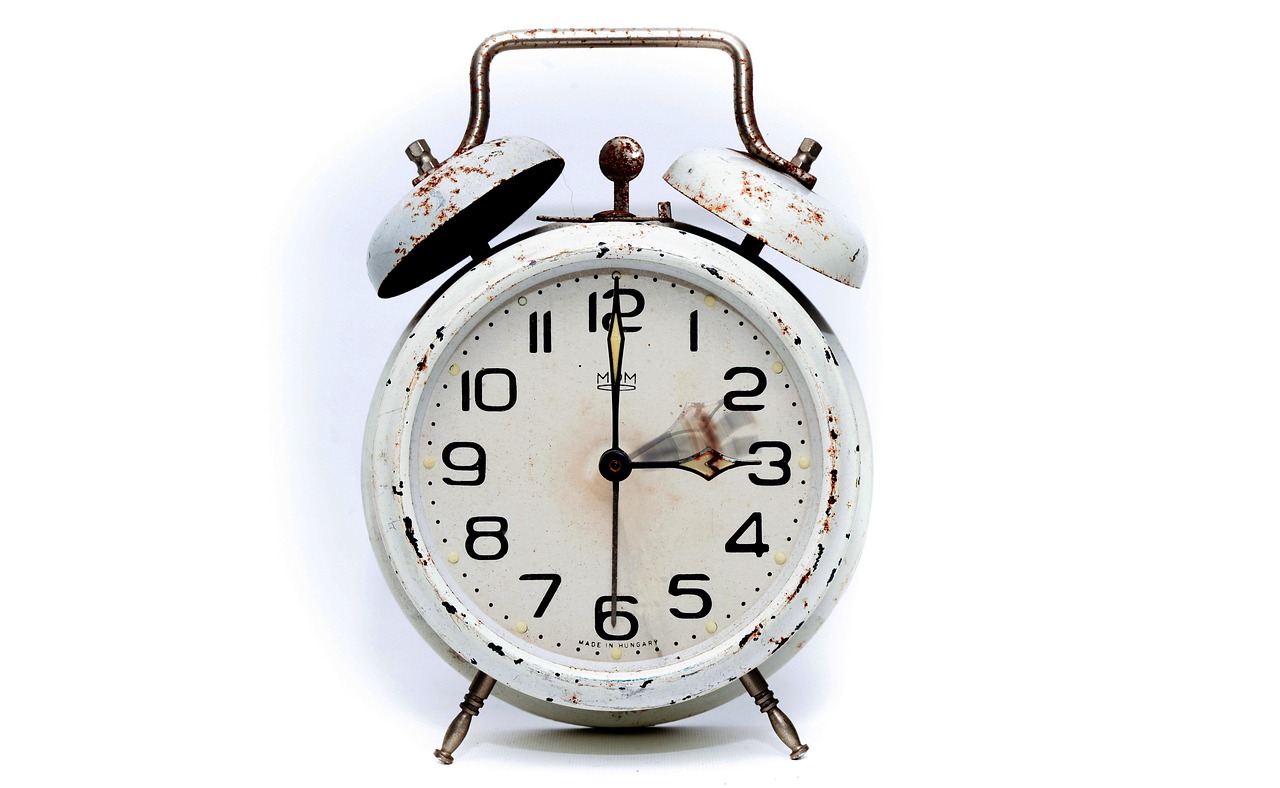
Imagine living in a world where hours were divided into tens rather than sixties.
Sounds strange, right?
But during the French Revolution, that was a real possibility.
The revolutionary leaders, fueled by the desire for rationality and uniformity, proposed a radical change to the way we measure time.
They wanted to replace the traditional clock with a decimalized system, where each day would consist of ten hours, and each hour would be further divided into a hundred minutes.
Their goal was to align time measurement with the newly established metric system, bringing harmony to the chaos of the old regime.
This was a bold attempt to simplify life and make it more logical.
However, in practice, the decimal clock faced tremendous challenges.
People were deeply accustomed to the traditional way of measuring time, and the new system felt alien and impractical.
Eventually, the decimal clock was abandoned, but the dream of a unified measurement system didn’t die.
Today, we still use the metric system for almost everything, except when it comes to time.
Isn’t it fascinating how one revolutionary idea could reshape our understanding of something as fundamental as time itself?
What if we had adopted that decimal clock?
How would our daily lives look today?
That’s a thought worth exploring further.