The Birth of the Metric System: A Revolutionary Idea
The metric system emerged during the French Revolution as a response to the chaos of measurement. Its logical structure and universal appeal continue to influence global science and engineering today.
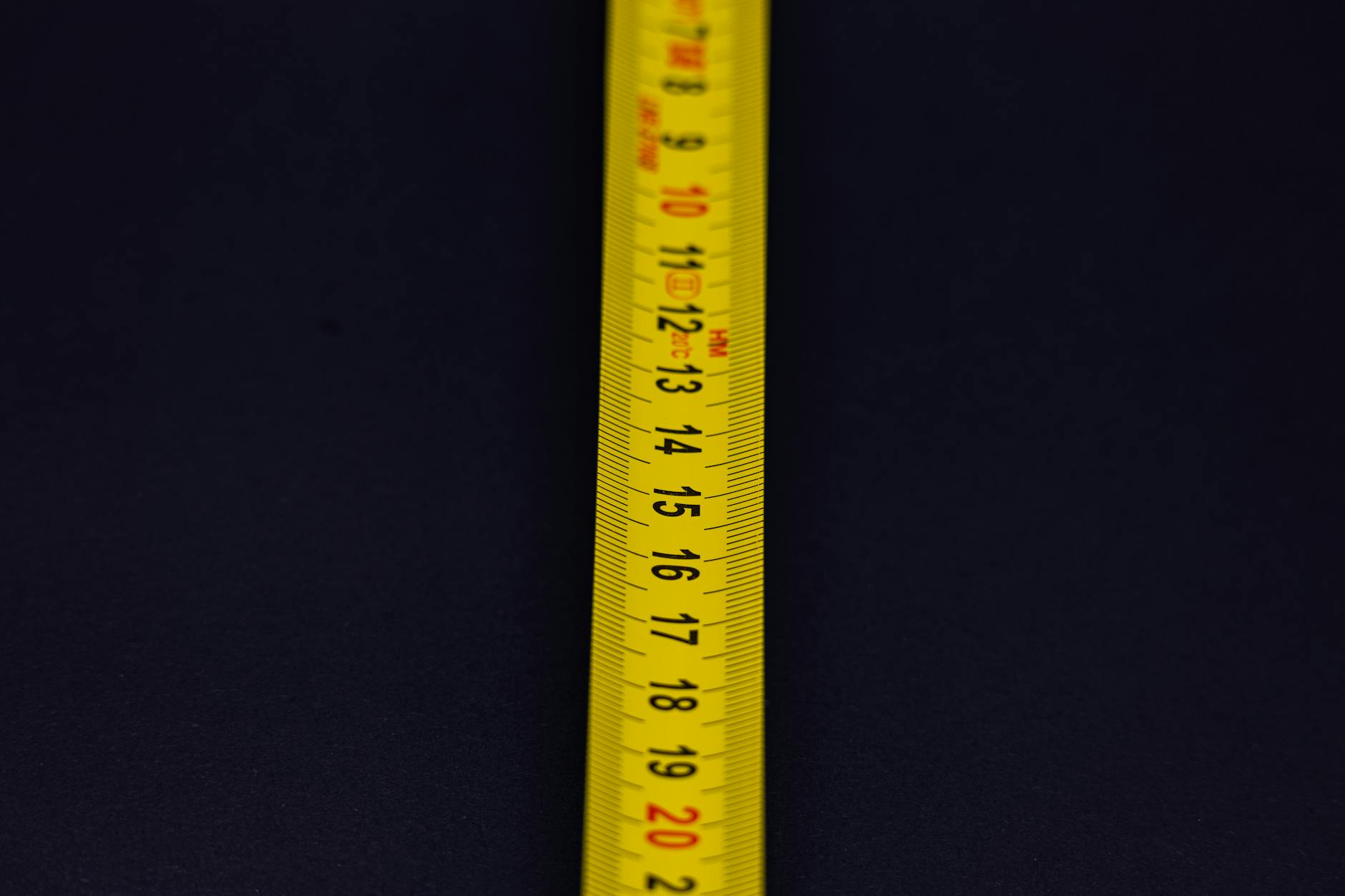
Have you ever wondered why we measure things in meters, grams, and liters?
Well, it all began during a time of great upheaval: the French Revolution.
In the late 18th century, France was a patchwork of measurement systems that varied from town to town, which made trade, science, and communication a real headache.
So, in a bold move towards modernization and unity, the revolutionaries sought a more rational and universal way to measure.
They created the metric system, designed around the idea of ten — simple, consistent, and easy to use.
This revolutionary approach wasn't just about creating new units; it was about fostering collaboration.
By standardizing measurements, scientists and engineers could share their work without the confusion of local units.
Fast forward to today, and the metric system has become the backbone of international scientific communication.
It allows researchers from different countries to work together seamlessly, whether they're calculating the speed of a particle or measuring the flow of a river.
So, next time you see a scientific figure or a recipe that uses metric units, remember that it’s not just numbers; it’s a legacy of a time when clarity and cooperation were desperately needed.
And who knows?
As we continue to tackle global challenges like climate change and health crises, the principles behind the metric system may inspire new ways of thinking and collaborating across borders.
What new revolutionary ideas will we create next with this shared language of measurement?